Collecting Original Art: Printmaking
STORY BY VIRGINIA BESHEARS
Original art is one of the absolute most enriching things to collect, but for non-artists, it can be challenging knowing where to start. There’s so much amazing art out there, so a little guidance can go a long way.
“Original art” means any artwork that was produced by the artist’s hand. While reproduction prints are a great way to get something beautiful up on your walls quickly at a low price, a fantastic original piece that really speaks to you can step up your space in a huge way.
Printmaking is, in my opinion, the perfect place to get your collection of original art started. Printmaking can yield some incredibly charming and wonderful pieces of art.
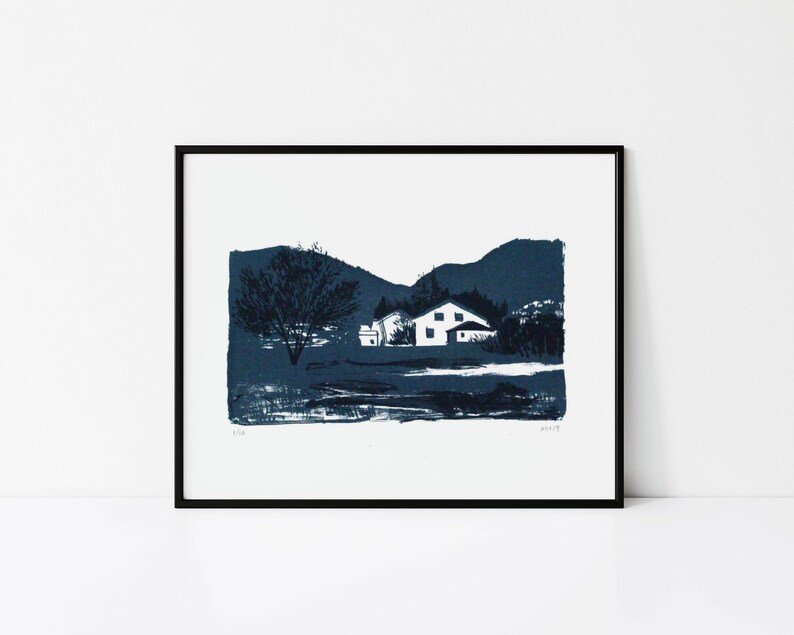
It’s a little counterintuitive, since digital replications of artwork are often colloquially called “prints” because they are made using either an inkjet or laser printer. True hand-pulled prints are definitively original art. Since mediums like woodcutting, linocut, screen printing, etching, etc. were designed to create multiple versions of the same design, hand-pulled prints can be much more affordable than one-off paintings and other forms of art. And, because each print is made by hand (and usually signed and numbered as part of a series or “run”), each print is still very much one-of-a-kind.
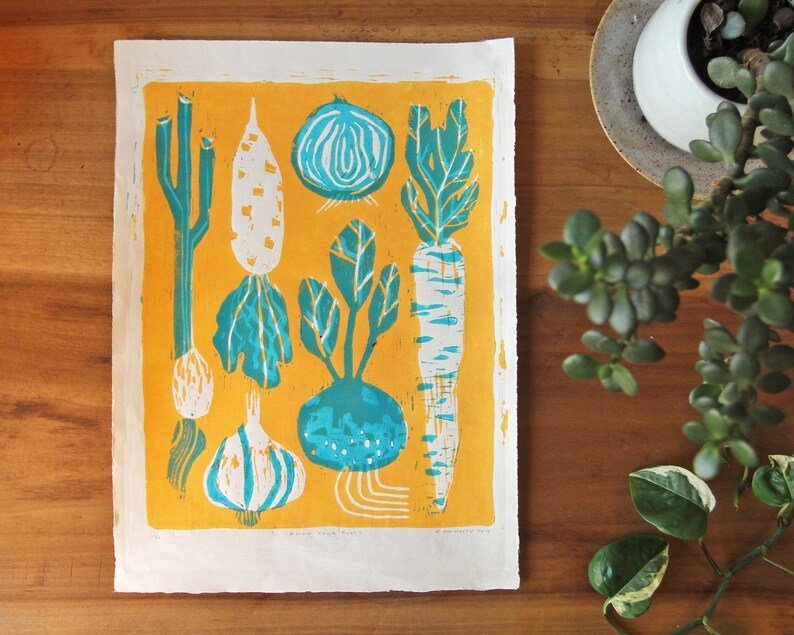
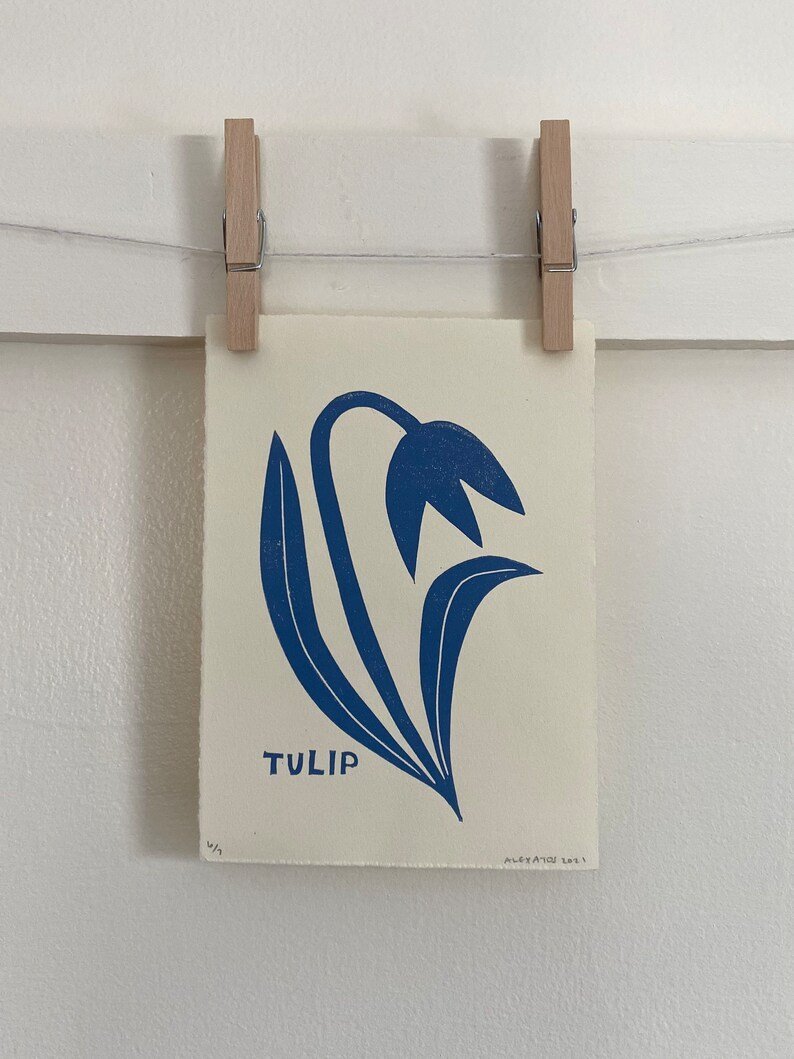
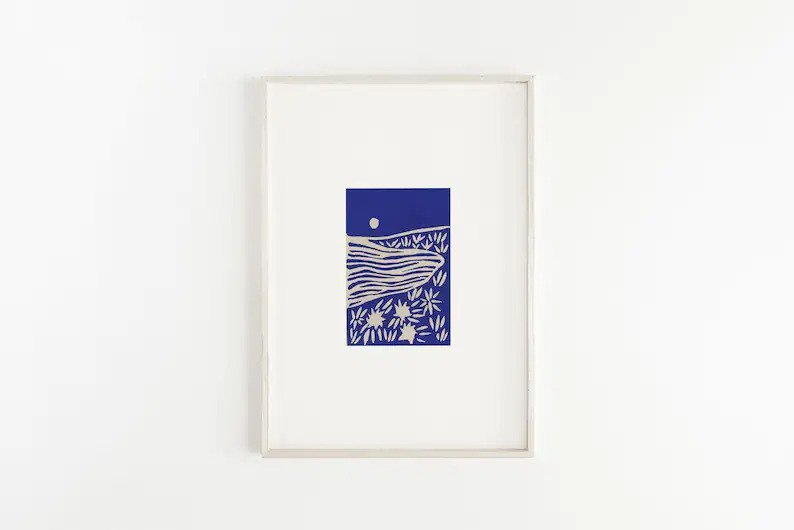
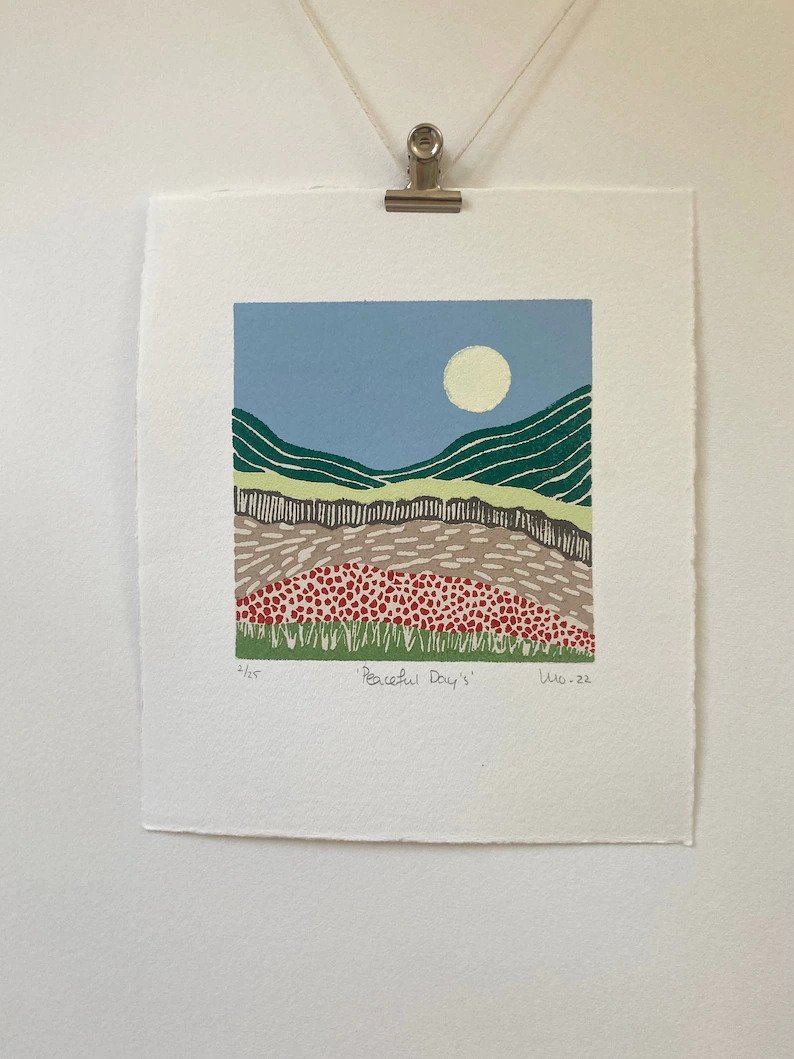
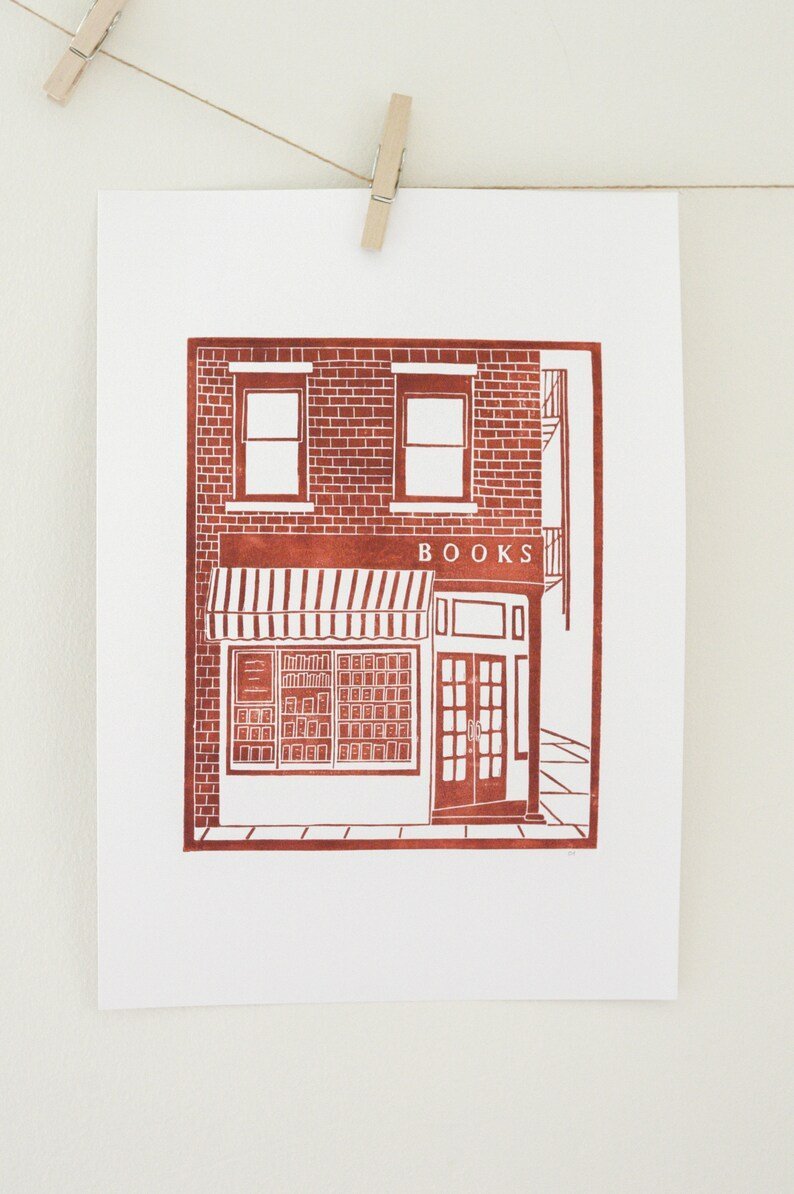
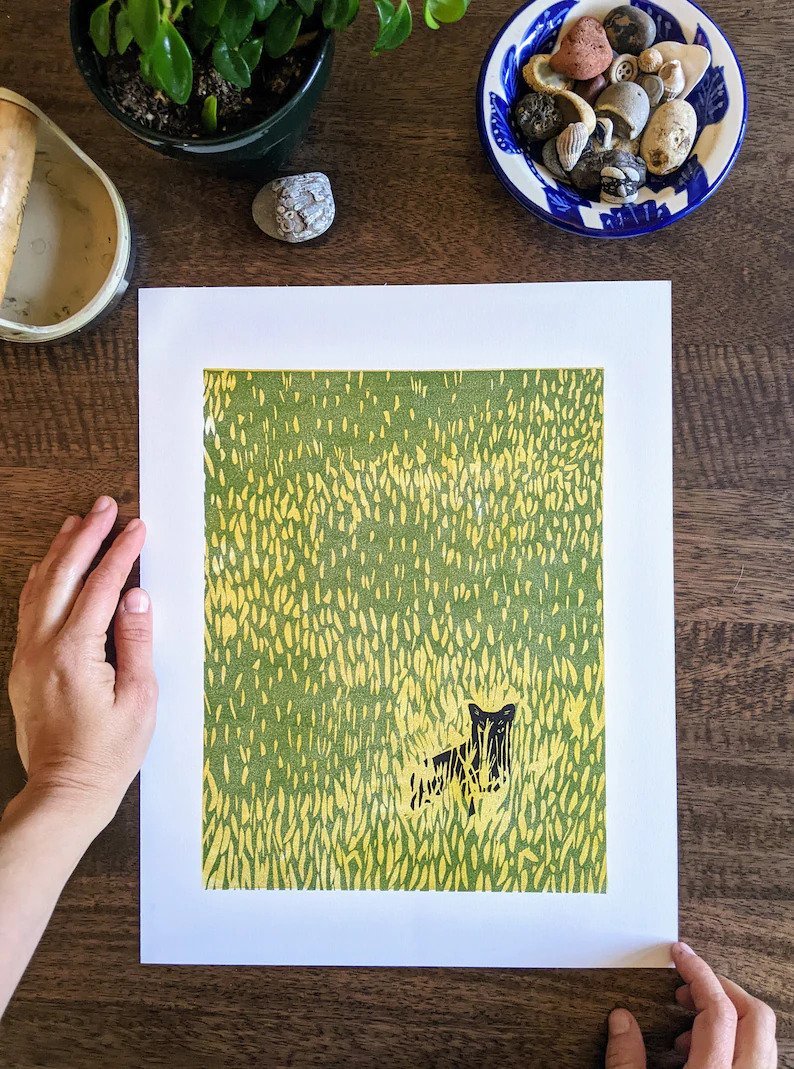
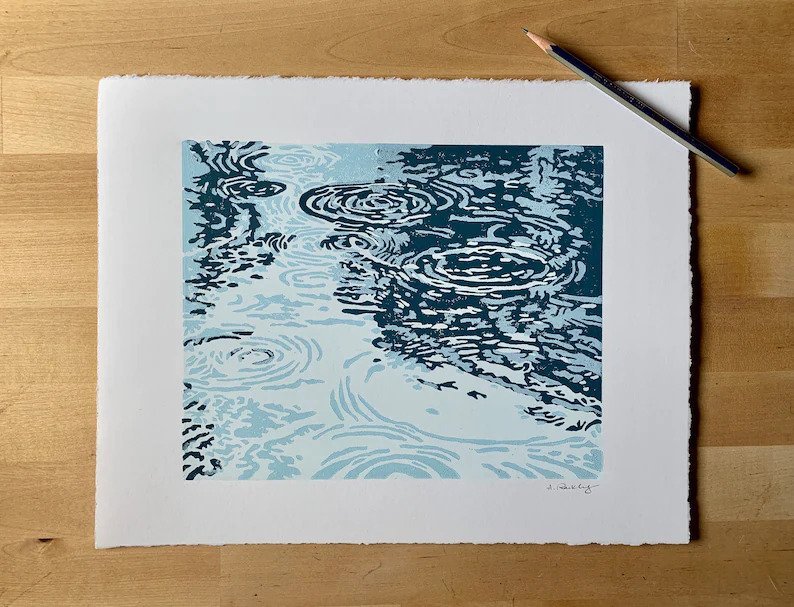
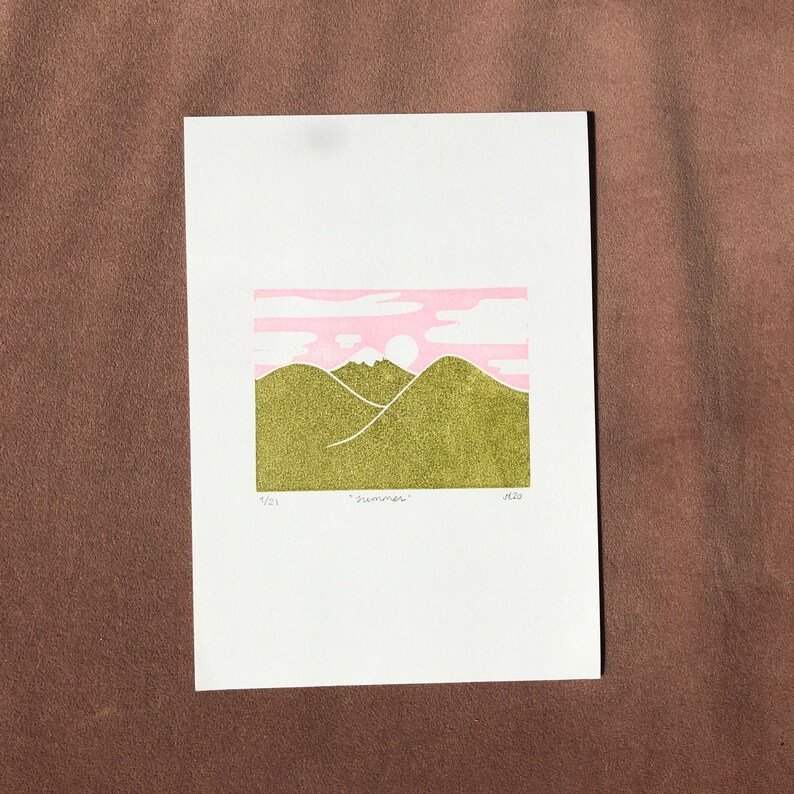
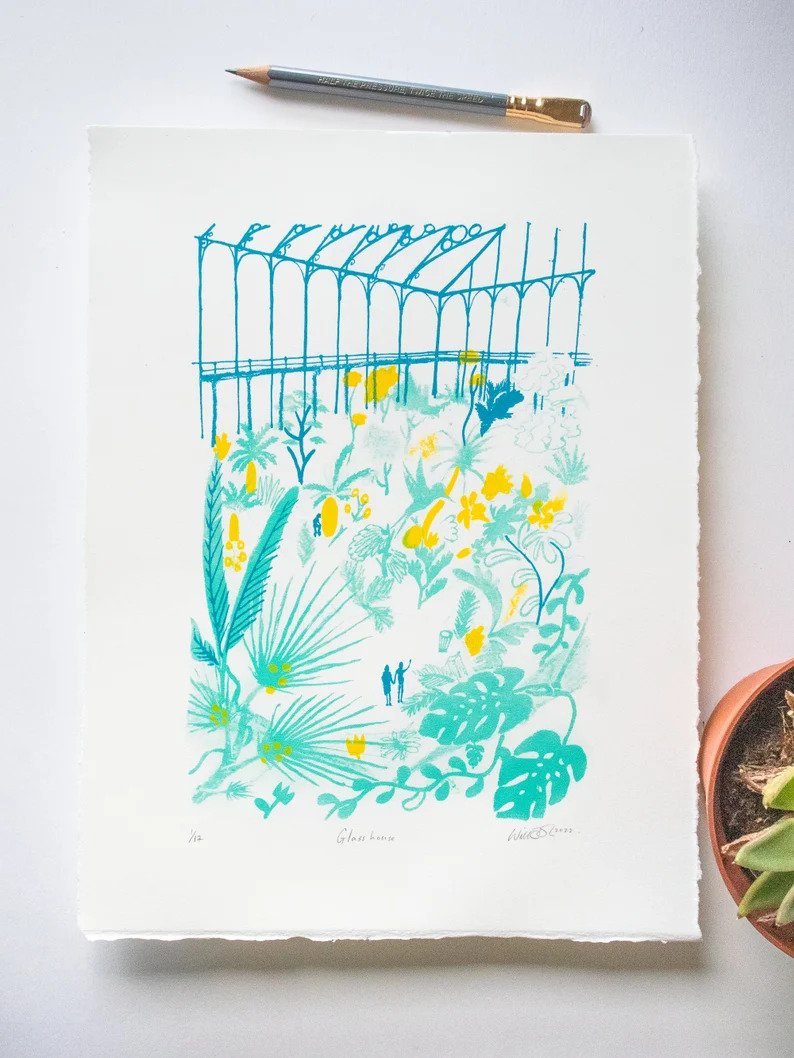
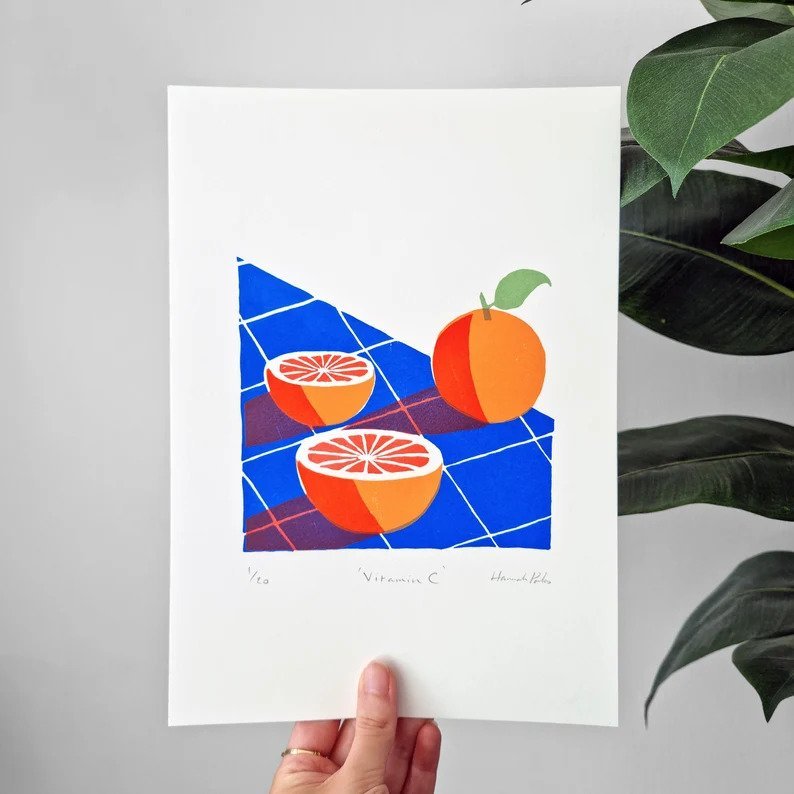
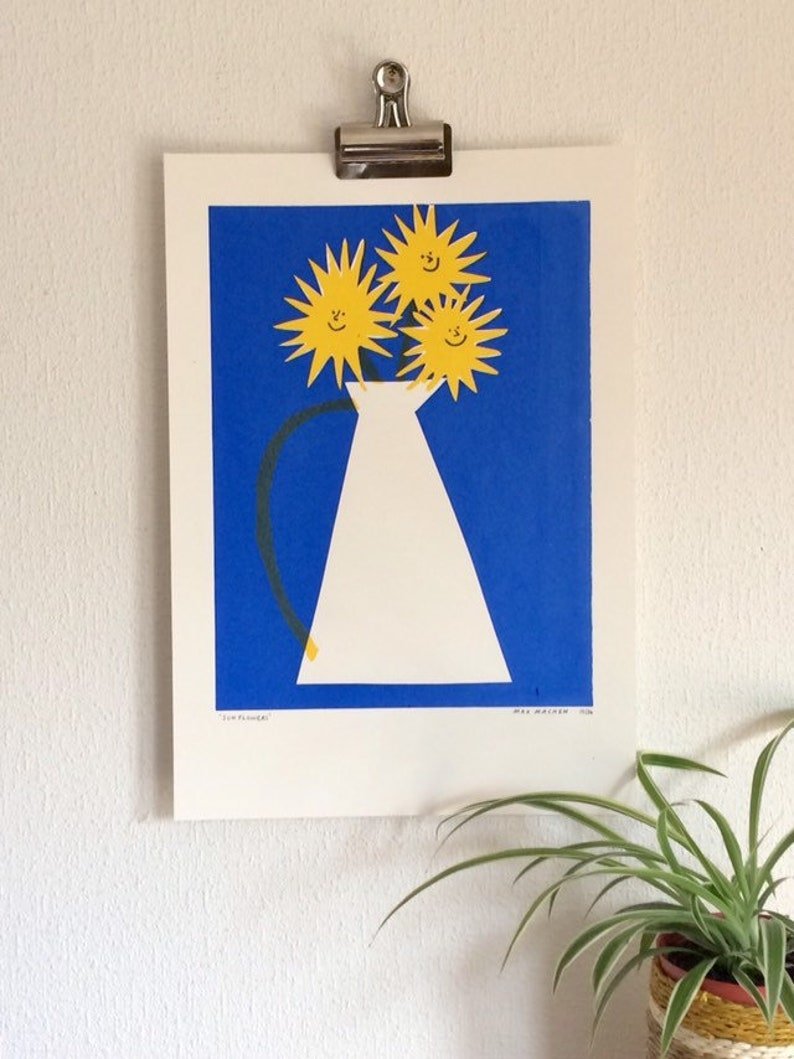
Below are a selection of amazing original prints that are all available on Etsy.
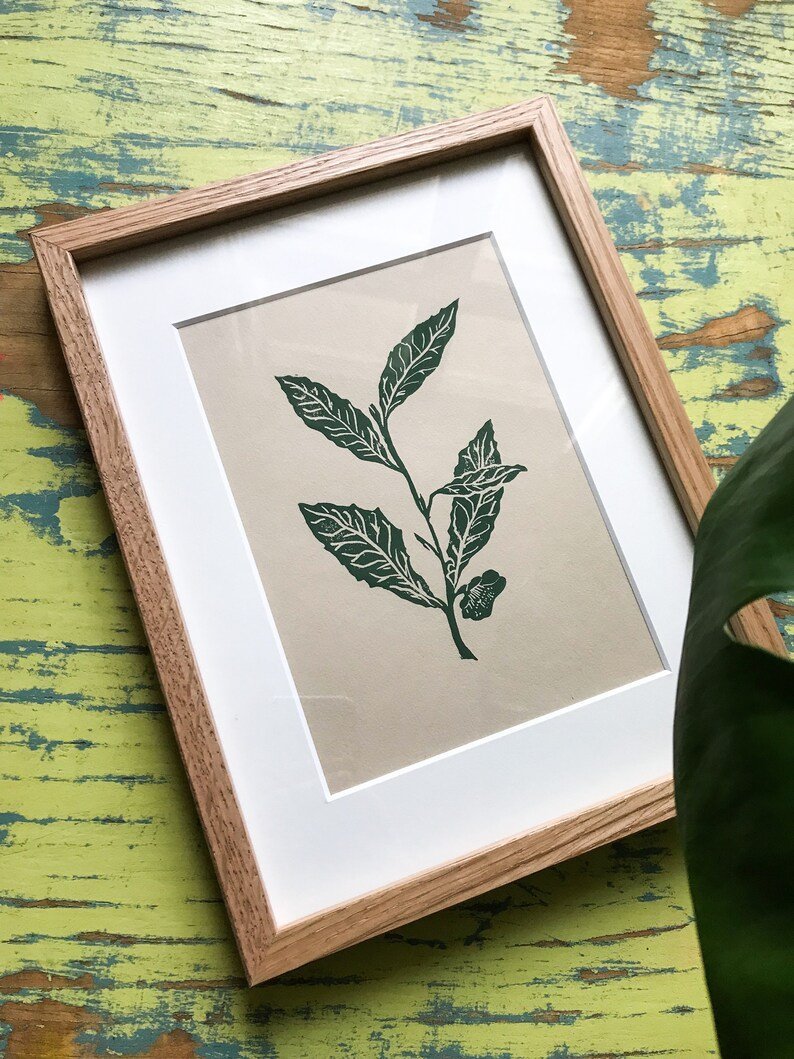
Block Prints
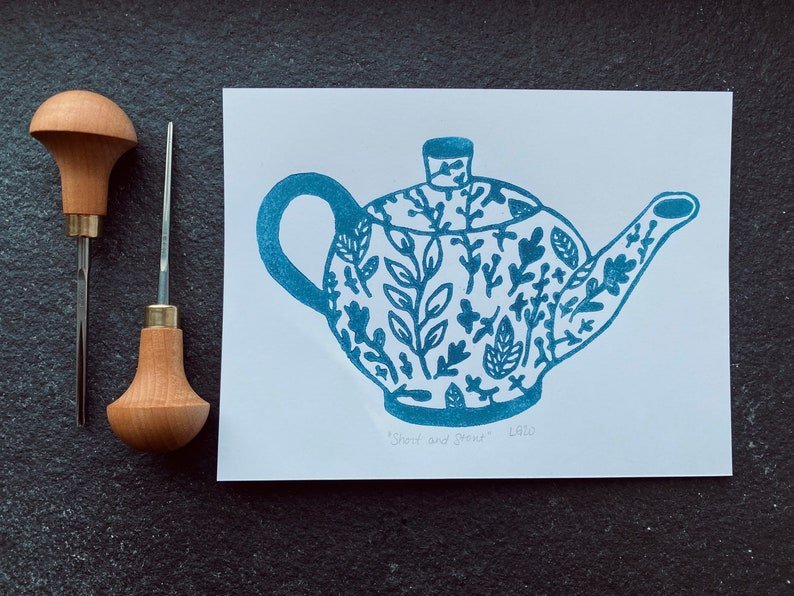
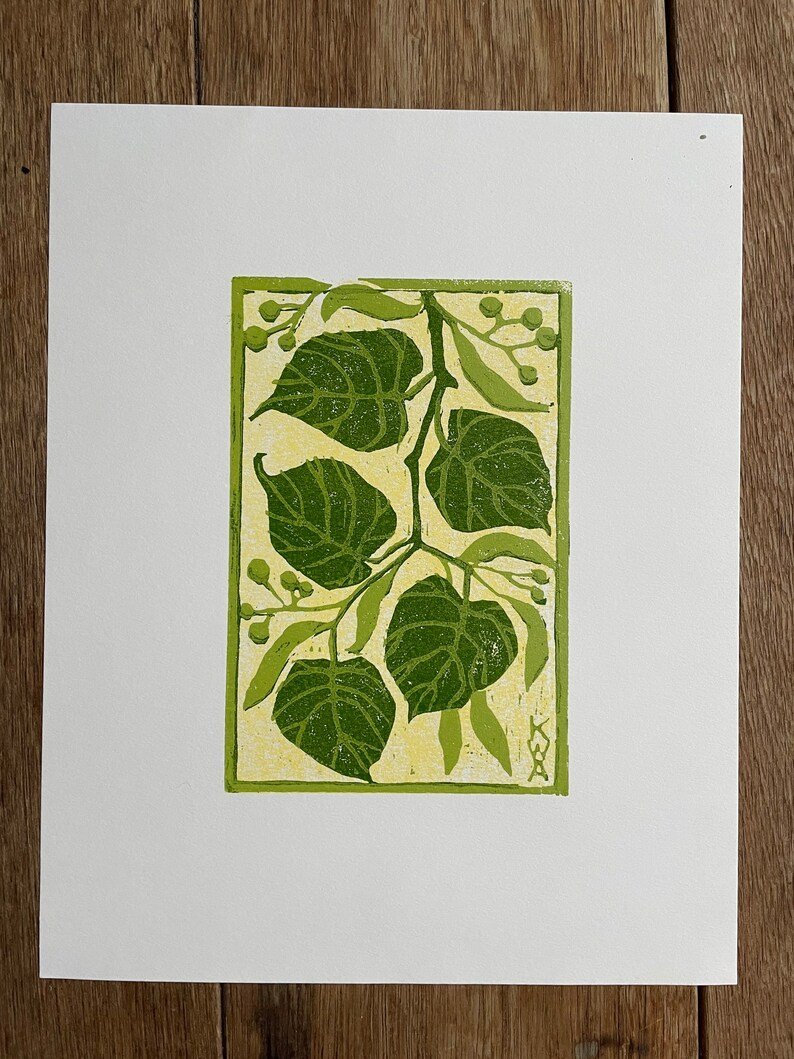
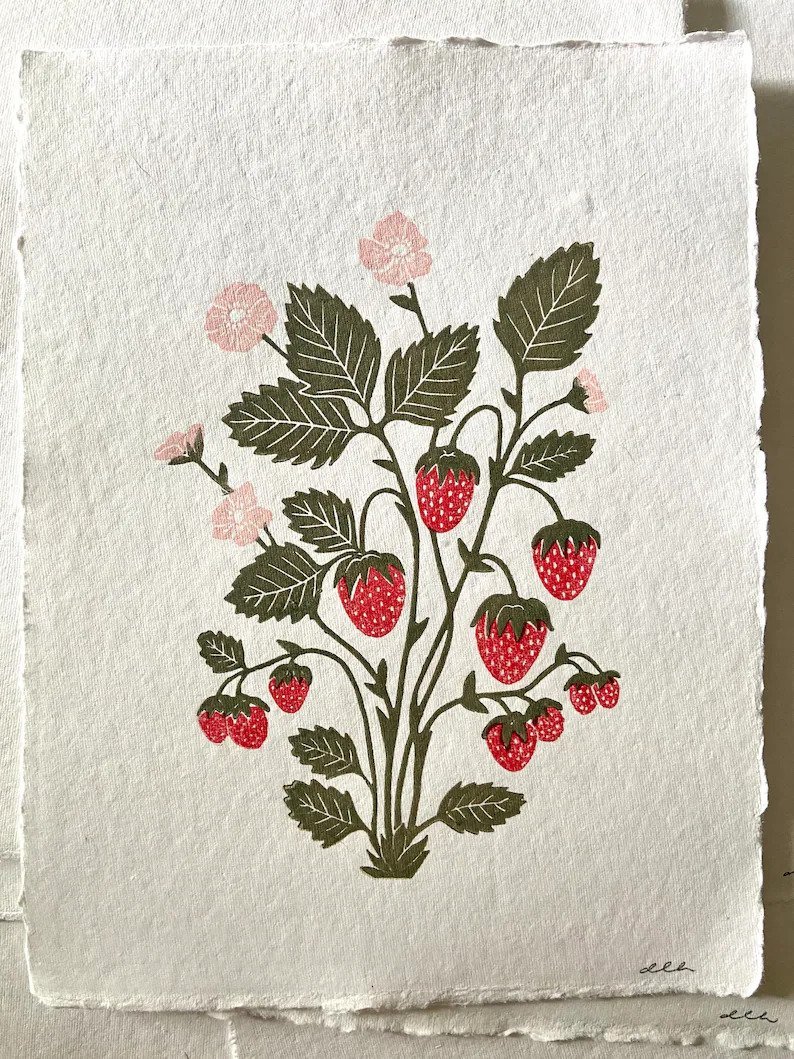
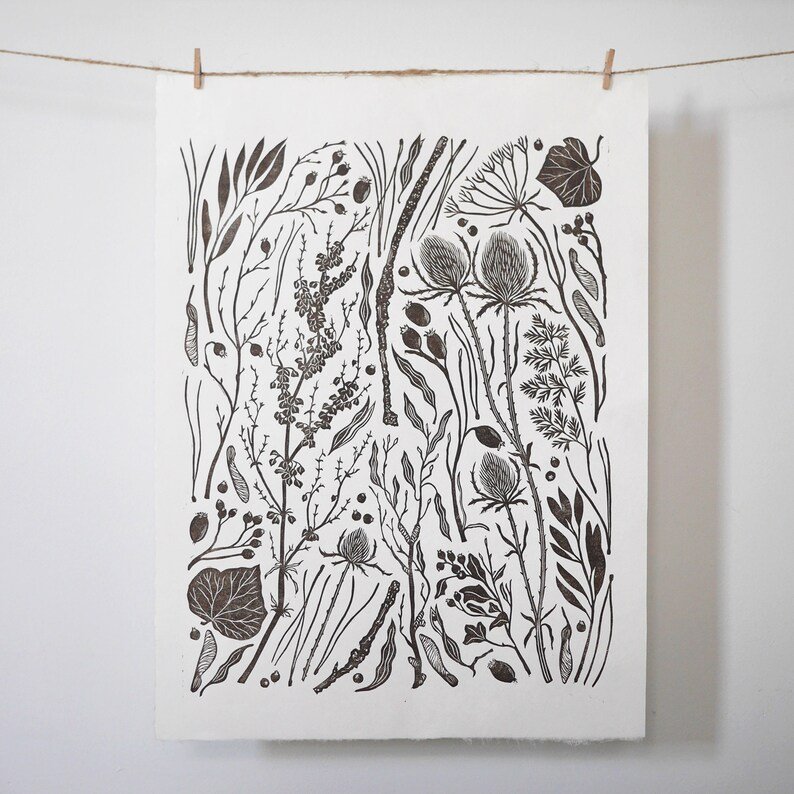
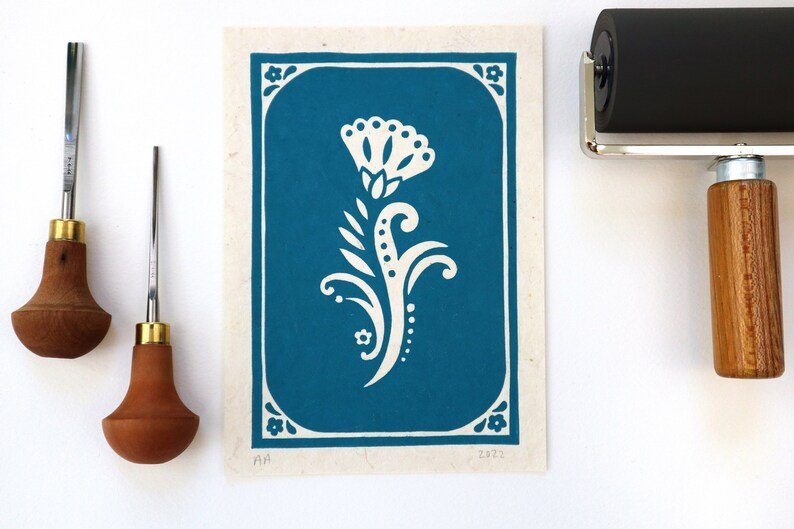
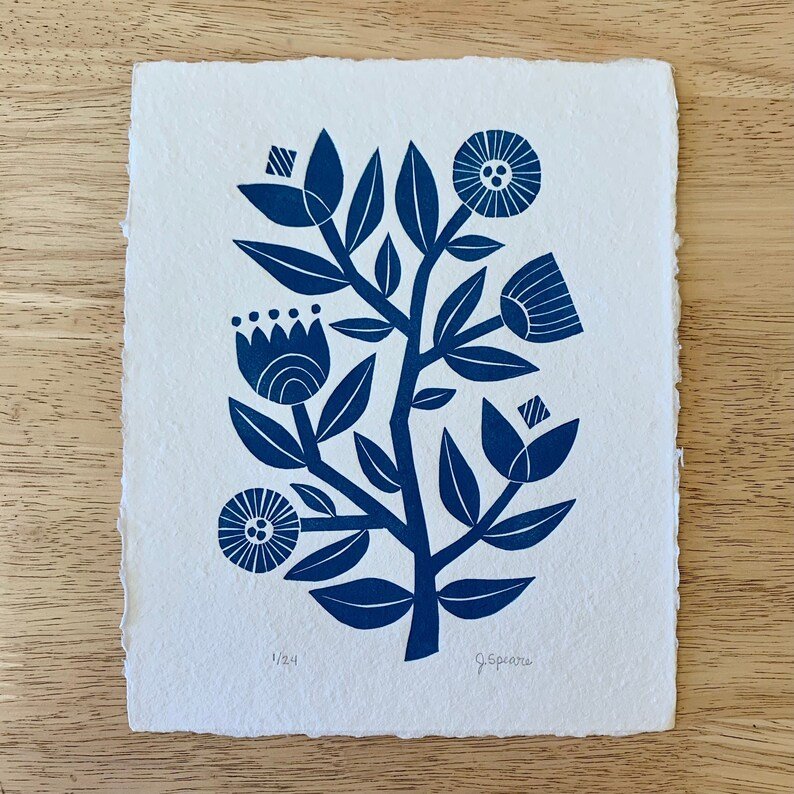
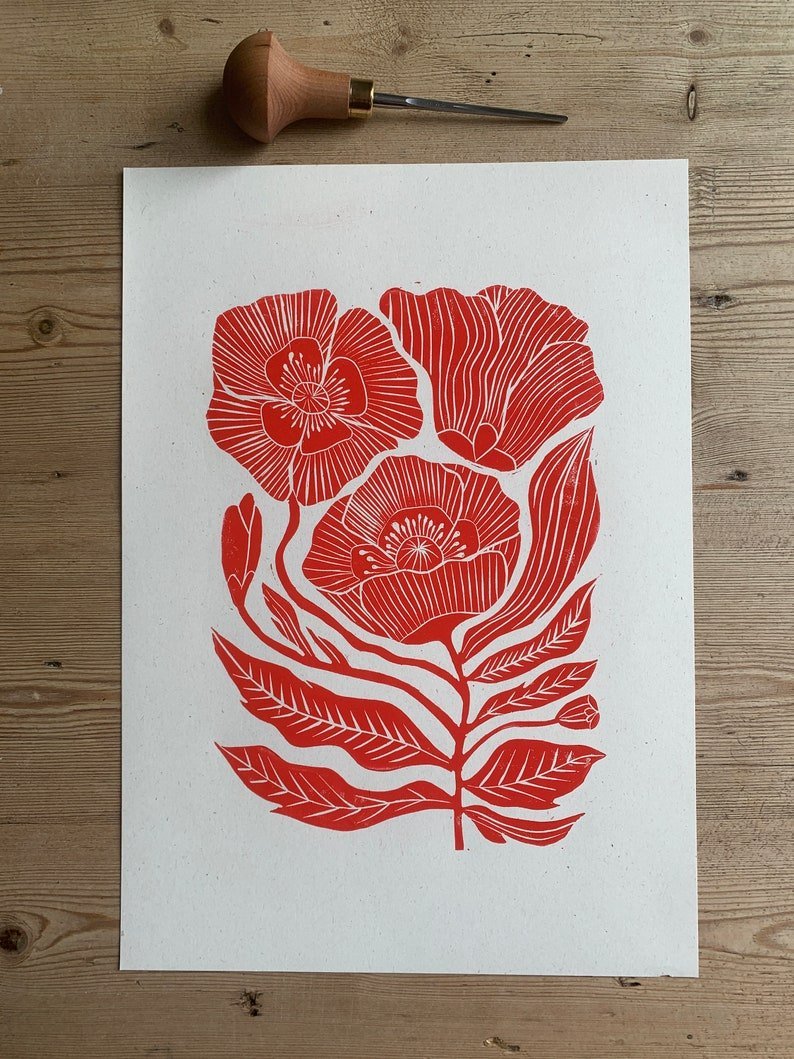
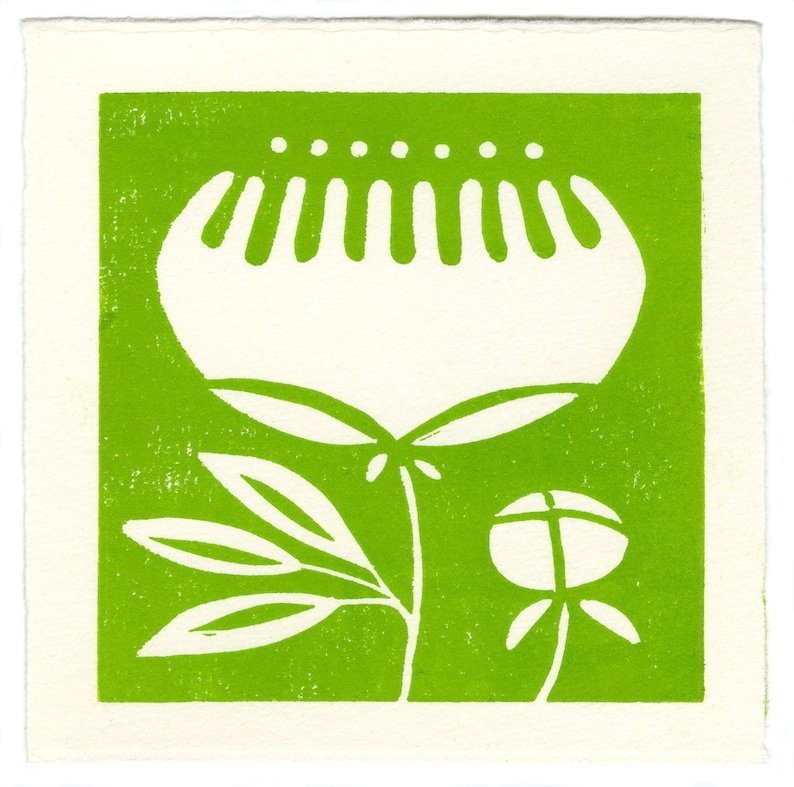
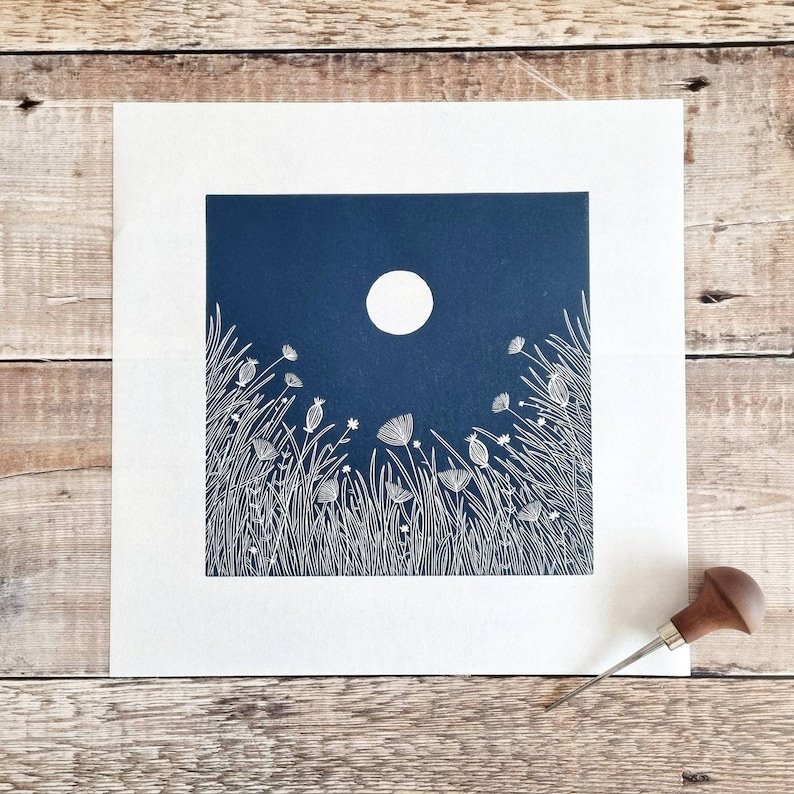
Block printing, also known as relief printing, is an umbrella term for methods of printmaking where the artist carves their design into a “block” (usually made of wood, rubber, or lino).
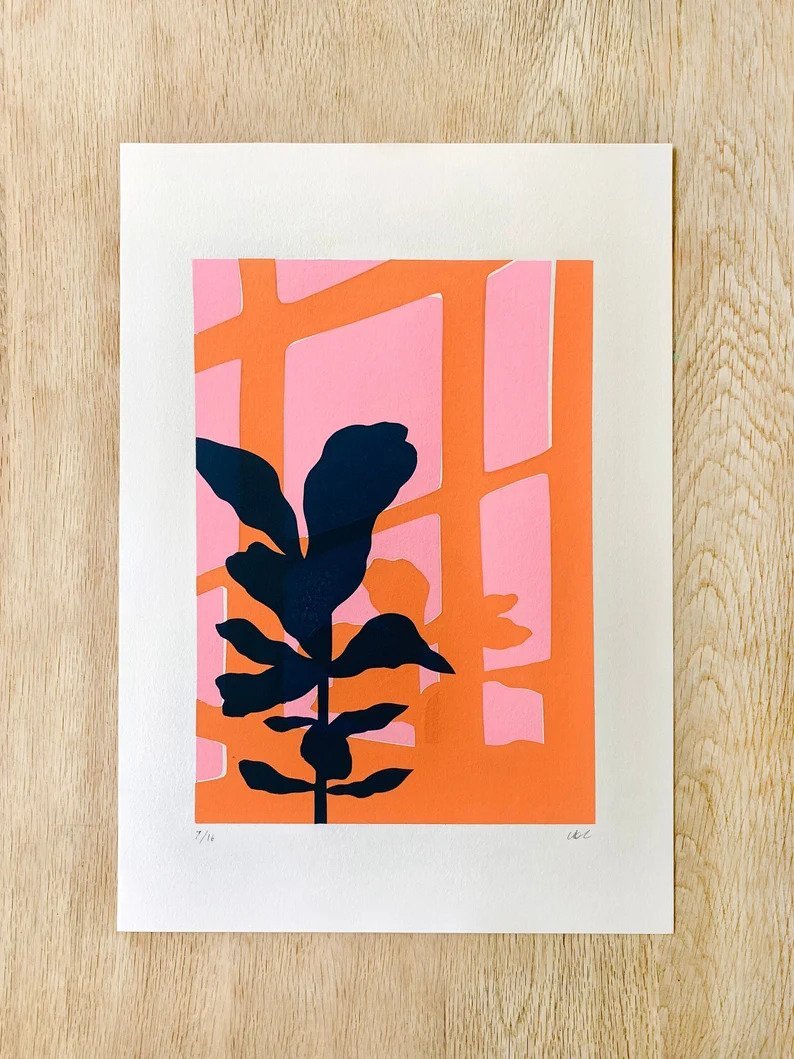
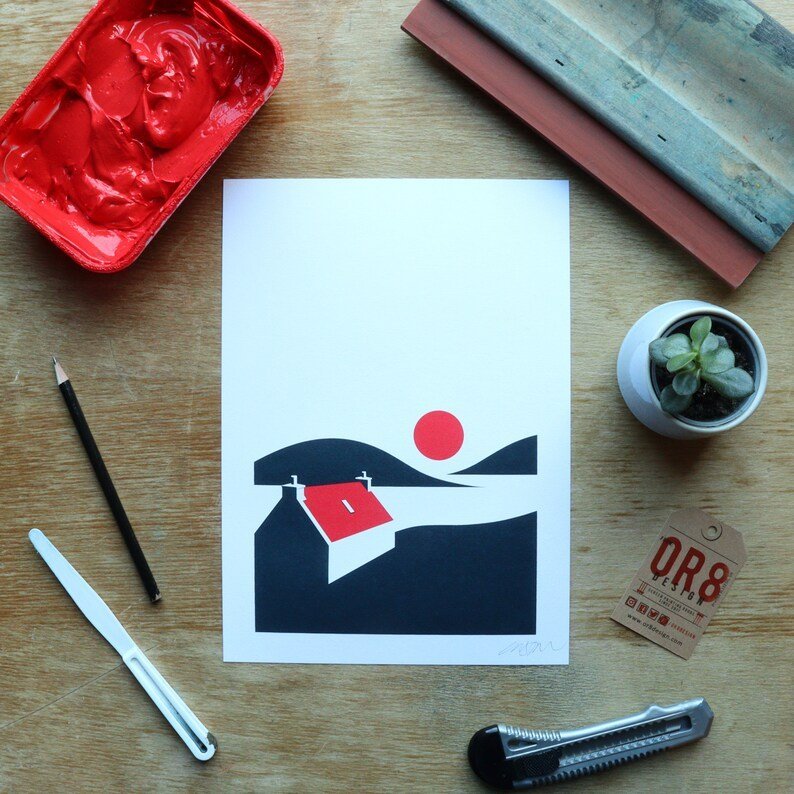
Screen Prints
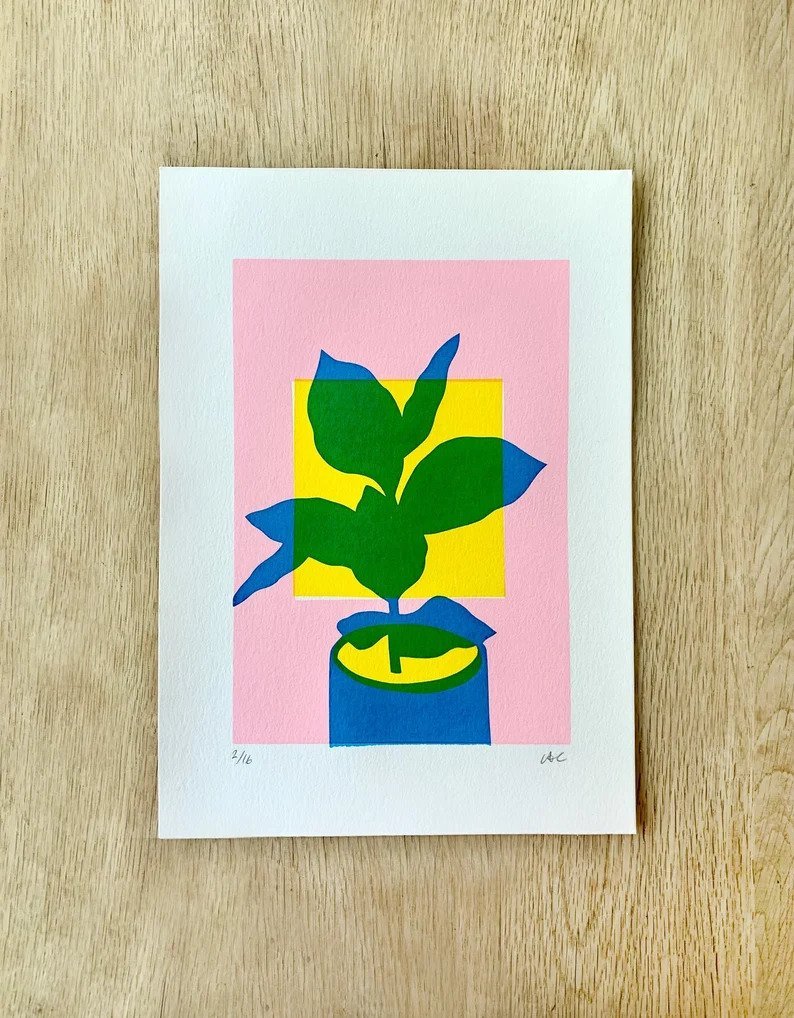
Screen printing is another popular method of printmaking, which involves using a UV sensitive chemical called photo emulsion to “burn” a design onto a silk screen, and then push ink over the screen and onto paper.
I hope this helps you navigate the world of art collecting a bit easier. In the future, I’ll be writing about other popular mediums you might be interested in, like watercolor and paintings on canvas. Stay tuned and happy art collecting!
Some of the most satisfying home improvements are the tiny ones that take less than an hour but somehow never make it to the top of the to-do list.
Last week, on the very first day after the time change, I could already feel myself getting sluggish and blah as the sun started setting at 5:30pm. This year, I'm deciding to be proactive and set myself up for success, and I've learned some genuinely interesting stuff that I'm sharing here.
We're officially halfway through the fall '25 ORC, and wow, what a season it's shaping up to be! We've been absolutely loving watching everyone's progress unfold. In case you missed the first few weeks, here are just a few of the MANY highlights from this season so far.
Welcome back, now comes the fun part! It's time to use design to finish creating a dining space you'll enjoy. The aesthetic choices you make should support and enhance the functional plan you created in Part 1.
If your Instagram feed is anything like ours right now, you're probably drowning in jaw-dropping fall vignettes that look like they took a full weekend (and a small fortune) to create. Not everyone has Martha Stewart's budget or her team of stylists, though, and that's absolutely okay.
As we head into October and November, we're sharing our strategy for bringing seasonal charm into your home in an economical, thoughtful, and refreshingly low-effort way.
When it comes to creating a dining space, the most crucial (and the oft skipped) step of the process is figuring out how you actually live and how the space where you eat can fit or enhance your existing routines.
It is SO tempting to jump straight into decor, but unfortunately even the most beautiful dining room in the world won't serve you well if it doesn't match how your family actually eats, entertains, and uses the space.
When it comes to window treatments, there's an overwhelming number of options available, each with its own benefits and best-use scenarios. Let's break down every major type of window treatment, when to use each one, and how to choose what's right for your space.
Luckily, you don't need to learn a bunch of technical terms. You just need to know which paint works for your project so you don't have to repaint your kitchen cabinets in six months. Let's figure out paint together, shall we?
You might discover, like I did, that a handful of well-chosen smart devices can quietly handle life's little annoyances without turning your home into a complicated tech project.
Although I'm staunchly anti-popcorn ceiling, I am willing to admit that they have exactly one thing going for them: their sound dampening ability.
The past few decades of interior design trends have indeed been steering us towards an acoustic nightmare, trading the sound-absorbing qualities of our homes for sleeker, shinier hard surfaces.
If your home has a bad case of “boring hallways,” fear not! There are so many ways you can make them feel just as special as every other room.
We were so excited to see so many community members interested in tackling mini projects. With help from ORC folks on Instagram, we’ve put together this mini project guide that should answer any questions and give you lots of ideas.
Think you don’t have space for a garden? Think again. Container gardening makes it possible to grow flowers, herbs, and even vegetables just about anywhere—balconies, patios, windowsills, or tucked into a corner of your yard.
Looking to go green? Green continues to be one of the most versatile and beloved colors in interior design. There are so many gorgeous shades, though, that it can be difficult to know where to begin choosing the best green for your space.
Creating faux wallpaper with a stencil and paint is drastically cheaper than wallpaper, and it’s completely customizable. If your interest is piqued, here’s what to consider before you start.