DESIGN

Story by Virginia Beshears
When it comes to window treatments, there's an overwhelming number of options available, each with its own benefits and best-use scenarios. Beyond just covering your windows, window treatments control light, provide privacy, improve energy efficiency, and add style to your space.
Understanding the differences between all these options can feel daunting, but it doesn't have to be. Let's break down every major type of window treatment, when to use each one, and how to choose what's right for your space.
The Big Categories
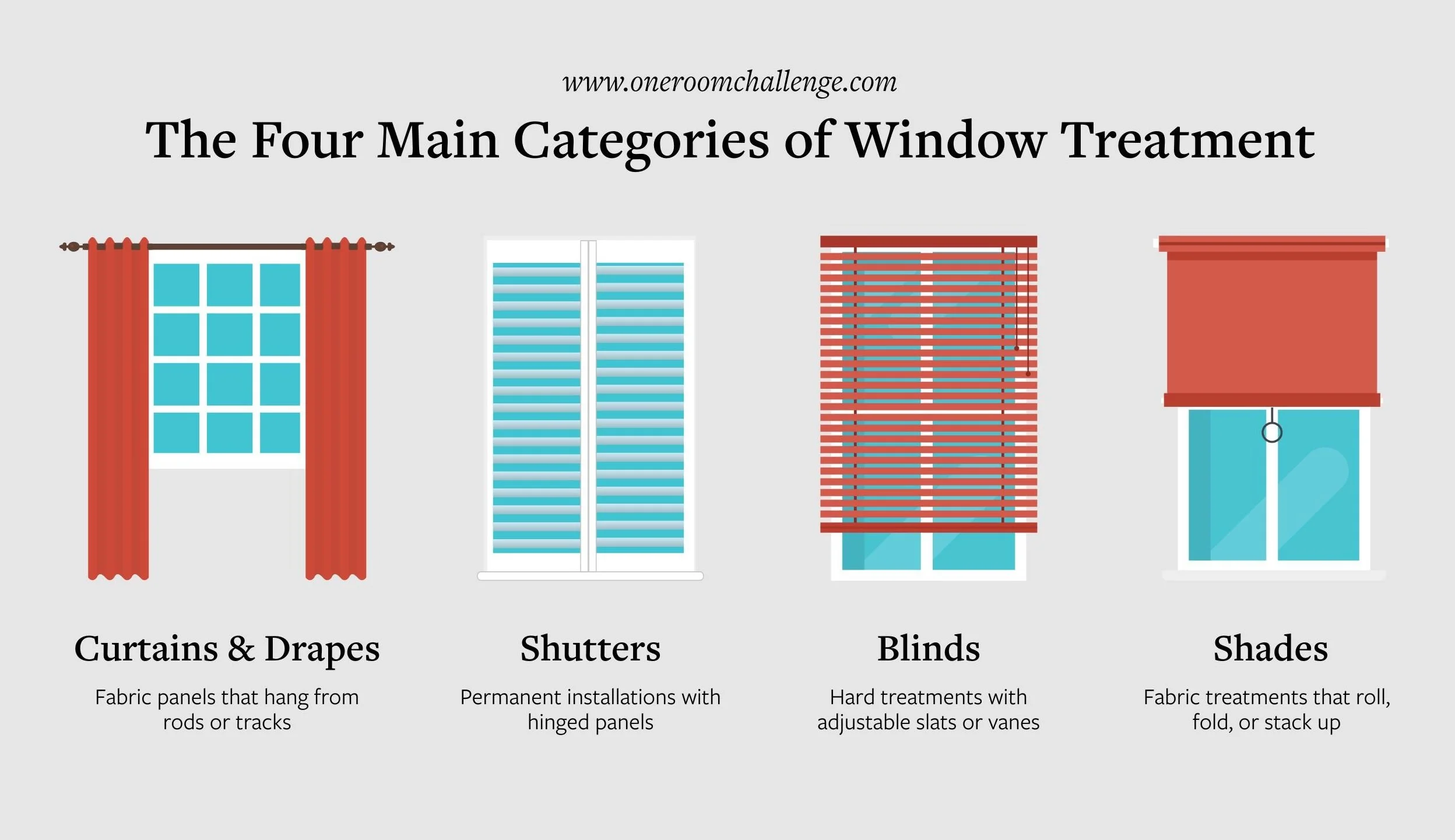
Window treatments fall into four main categories:
- Curtains & Drapes: Fabric panels that hang from rods or tracks
- Blinds: Hard treatments with adjustable slats or vanes
- Shades: Fabric treatments that roll, fold, or stack up
- Shutters: Permanent installations with hinged panels
Each has its strengths and ideal uses, and many work beautifully together. Having a handle on these four buckets helps immensely once you start getting into the weeds (cue weeds in 3... 2...)
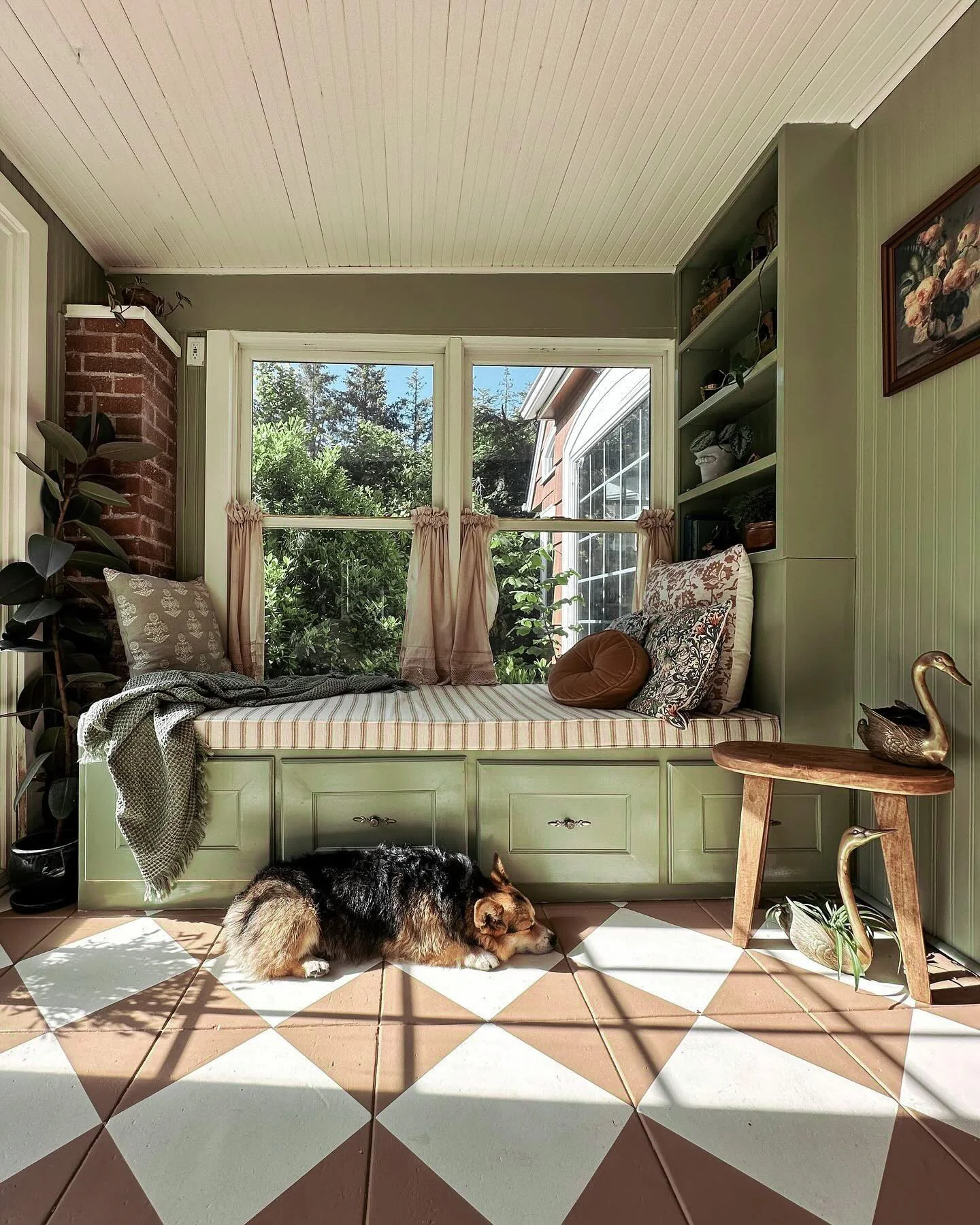
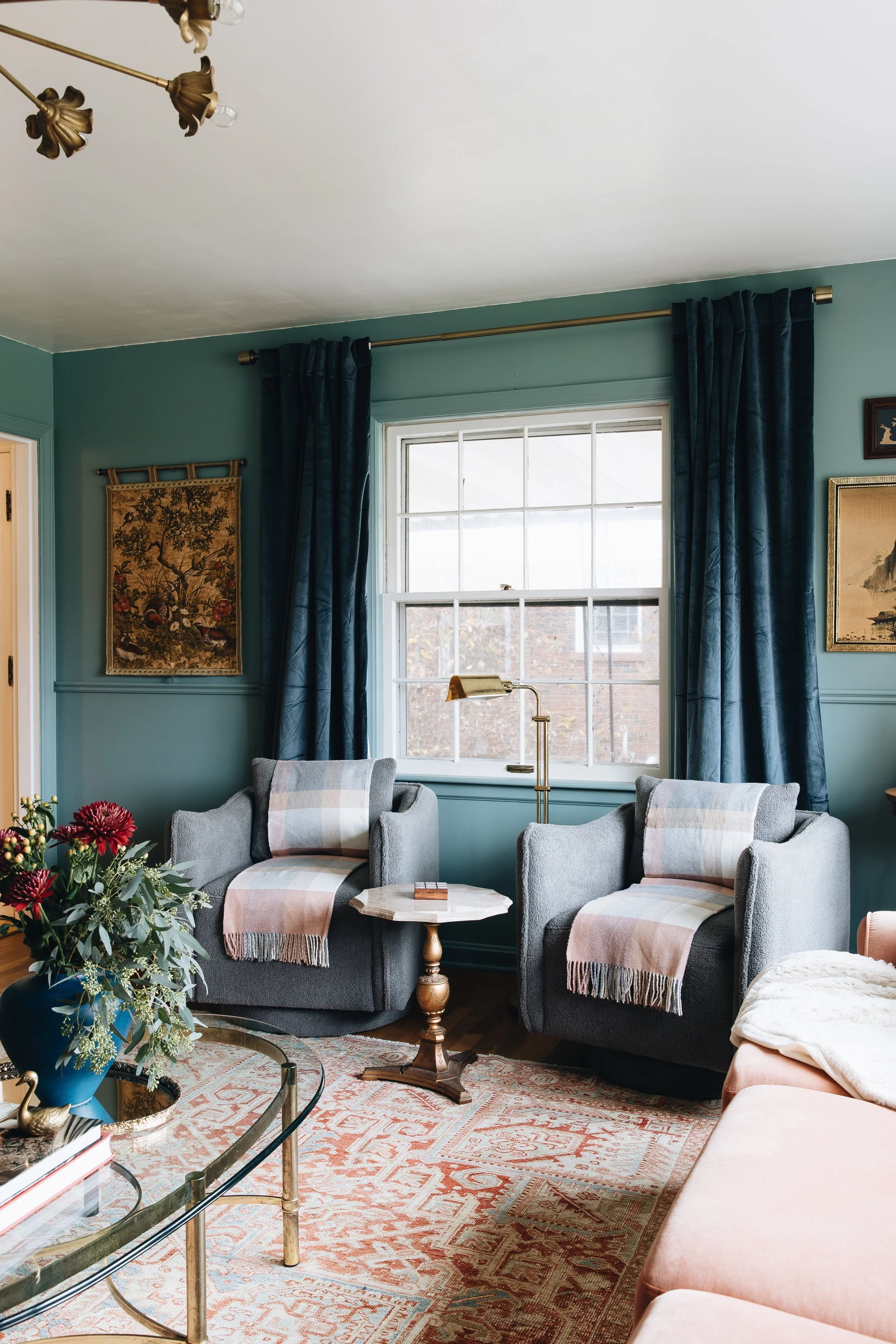
Curtains and Drapes
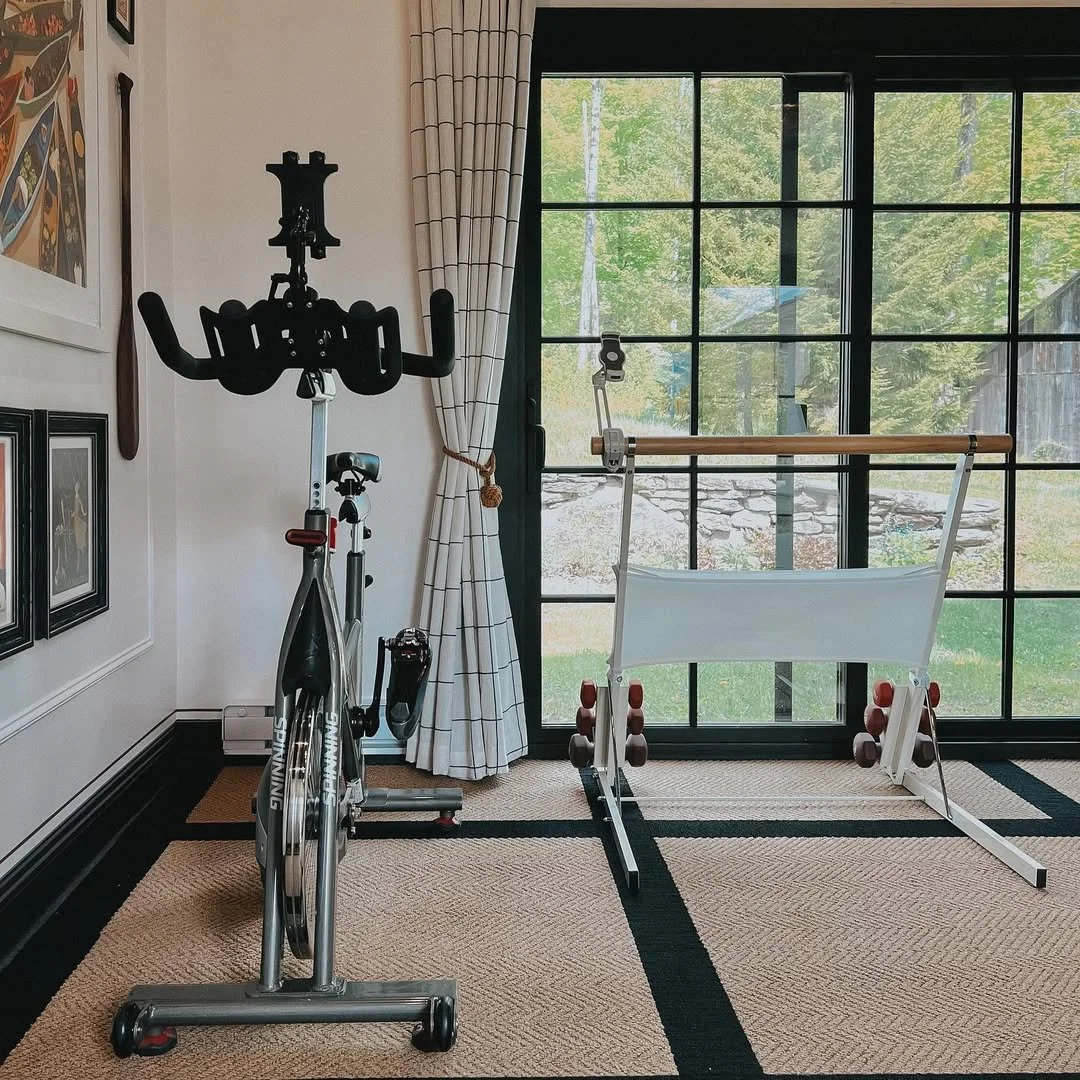
Firstly, what’s the difference between curtains and drapes? Curtains are typically lighter, unlined panels, while drapes are heavier, lined, and more formal. Most people use the terms interchangeably, and that's perfectly fine.
When to Choose Curtains/Drapes:
You want to add softness and texture to a room
You want to add pattern and color
Sound absorption is important (fabric naturally dampens noise)
You're going for a cozy, lived-in feeling
You have beautiful curtain rods you want to showcase
Curtain Length Guidelines:
Floor-length: The gold standard—should just kiss the floor or puddle slightly for drama
Sill-length: Fine for kitchens and casual spaces, but make sure they actually hit the sill
Never: Awkward in-between lengths that look like you ran out of fabric
Curtain Hardware:
The two main types of curtain hardware are rods and tracks. Curtain rods are decorative and meant to be seen (wood, metal, unique finials), and tracks are functional/hidden, and better for heavy fabrics or ceiling mounting.
Pro tip: Extend your rod 6-12 inches beyond the window frame on each side so curtains can stack back completely and let in maximum light.
Curtain Headings (How They Hang):
Grommet Top: Metal rings create modern, casual pleats—easy to slide open and closed. Mostly fallen out of favor
Rod Pocket: Fabric sleeve for the rod to slide through—creates soft gathers but curtains don't slide easily
Tab Top: Fabric loops—casual and charming but difficult to slide
Pinch Pleats: Classic look with grouped fabric pleats—requires rings or hooks. Hard to go wrong
Back Tab: Hidden tabs keep the rod from showing—clean, modern look
Tie-backs and Holdbacks:
These aren't just decorative, they're practical for maximizing light. Fabric tie-backs offer a soft look, while metal holdbacks (hook-like hardware mounted to the wall) create crisp, tailored lines.
Curtain Fabrics:
Cotton: Easy care, works everywhere
Linen: Relaxed, textural, wrinkles beautifully
Velvet: Luxurious, excellent light-blocking and sound absorption
Silk: Elegant but needs lining to prevent sun damage
Sheer: Cotton voile, organza, or lace for privacy without blocking light
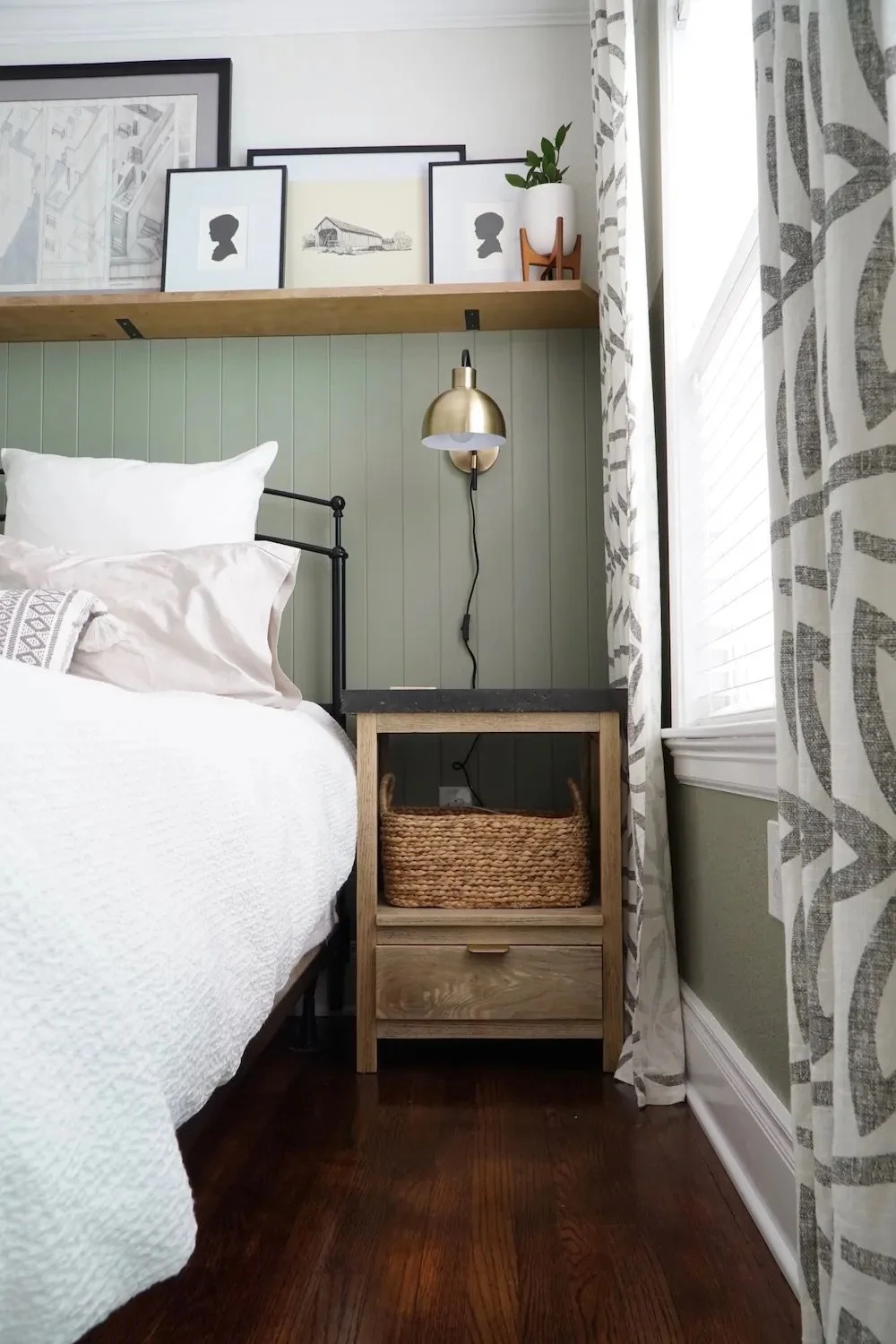
via Elle and Jay, layered blinds and curtains
Blinds
Venetian Blinds
“Venetian blinds” encompasses any blinds that are made up of horizontal slats that can be raised, lowered, tilted, etc. They’re available in lots of different materials:
Aluminum or PVC: Lightweight, affordable, good for humid areas
Faux wood: Durable, moisture-resistant, less expensive than real wood
Real wood: Beautiful, warm, but avoid in bathrooms and kitchens
Slat sizes: 1-inch (modern, sleek), 2-inch (most popular), and 2.5-inch (dramatic, contemporary)
Best for: Any room where you want precise light control. Perfect for offices and bedrooms.
Vertical Blinds
Vertical blinds are the floor-to-ceiling strips that rotate and slide. You almost exclusively see this style of blinds on floor-to-ceiling windows, and they’re an excellent option in spaces with large windows where drapes wouldn’t fit the aesthetic.
Best for: Patio doors, large windows, contemporary spaces
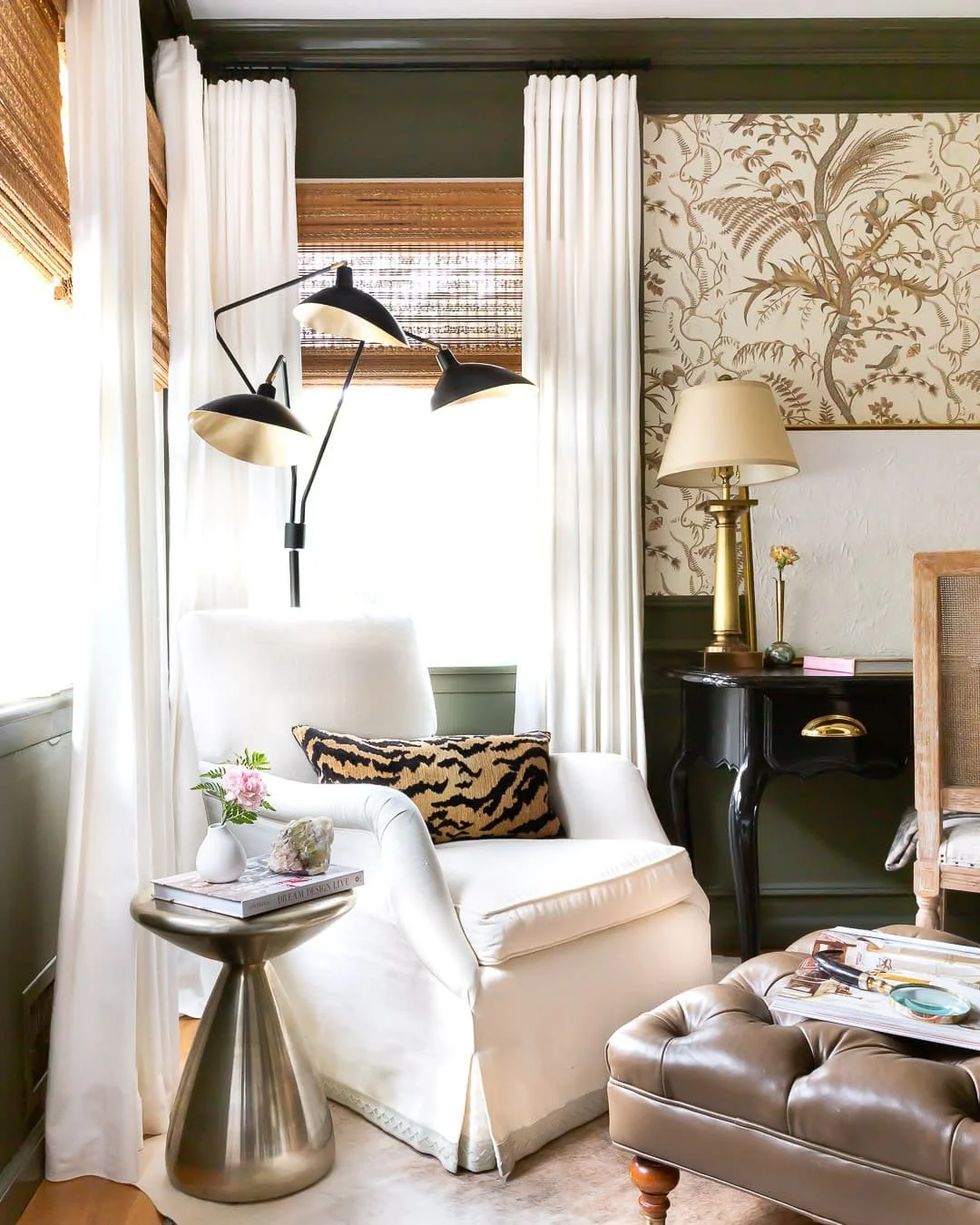
Shades
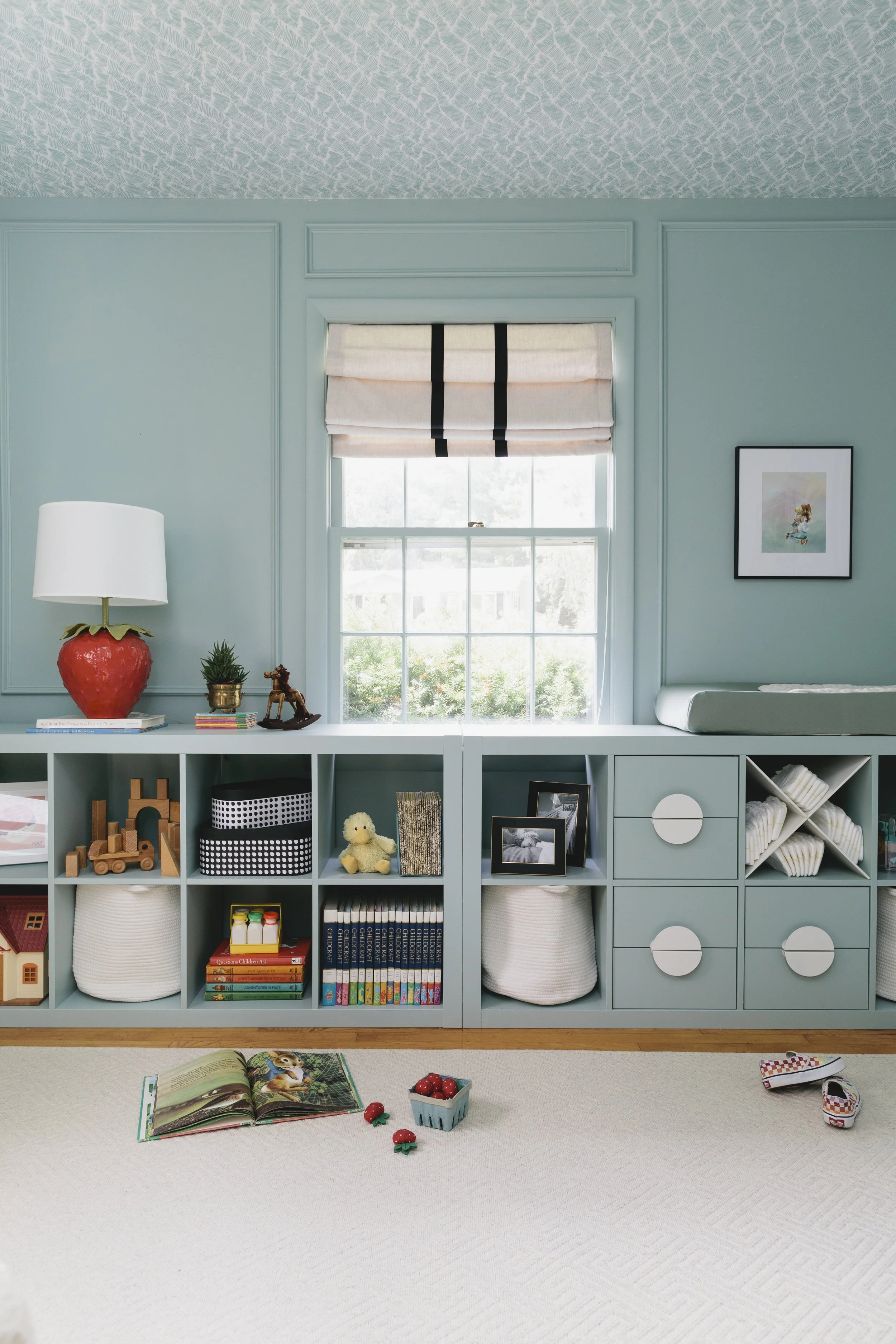
Roman Shades
These fold up into neat horizontal pleats and are absolutely timeless.
Styles:
Flat Roman: Clean, tailored lines
Relaxed Roman: Soft curve at the bottom when lowered
Balloon Roman: Puffy, gathered look (use sparingly—very traditional)
Best for: Living rooms, bedrooms, dining rooms—anywhere you want polish without fuss
Roller Shades
The comeback kid of window treatments. A stylish alternative to blinds, easy-to-operate roller shades look and work best mounted inside the window frame.
Fabric options:
Light-filtering: Provides privacy while letting light through
Room-darkening: Blocks most light but not all
Blackout: Blocks virtually all light—perfect for bedrooms
Best for: Modern spaces, bedrooms, any room where you want clean lines
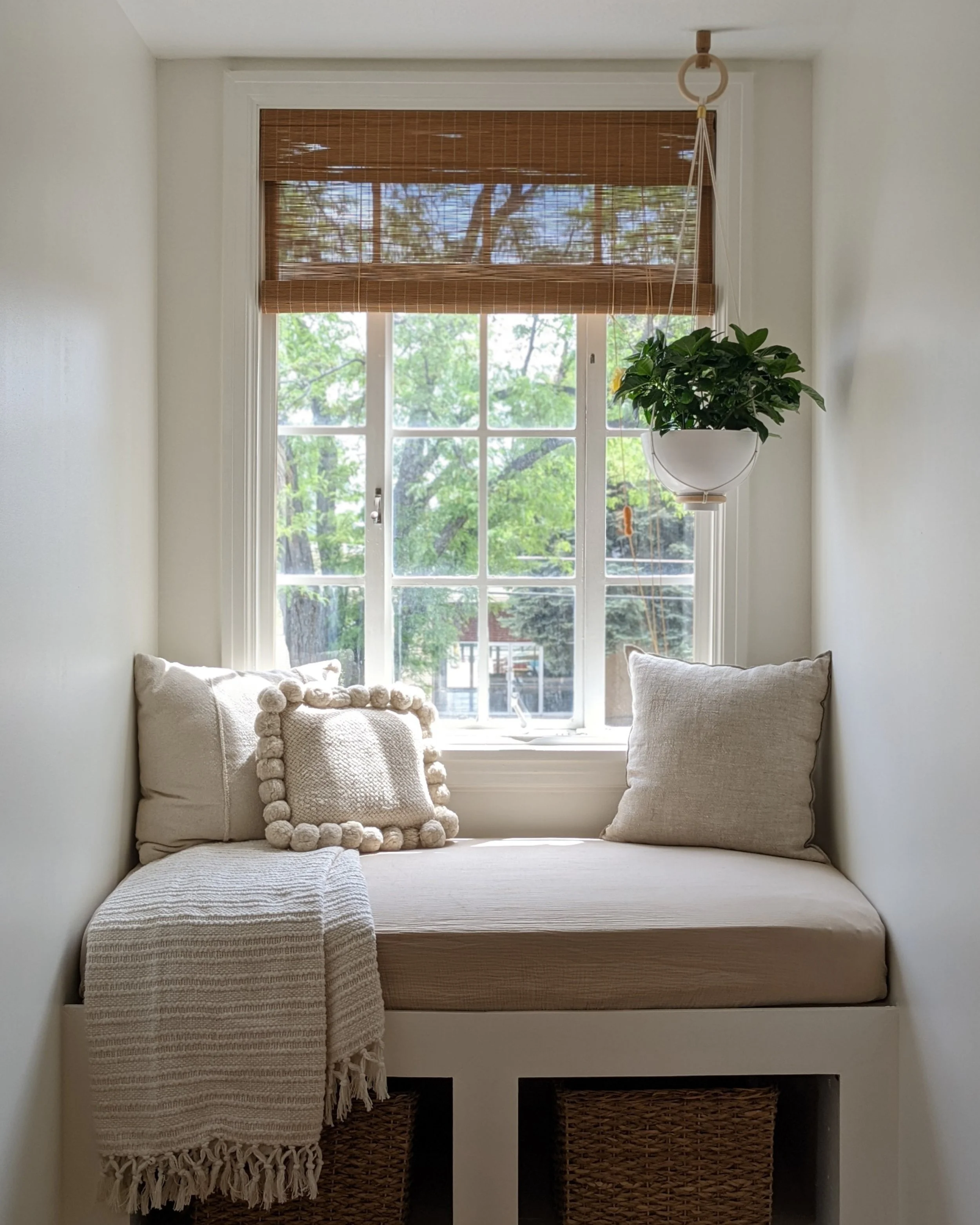
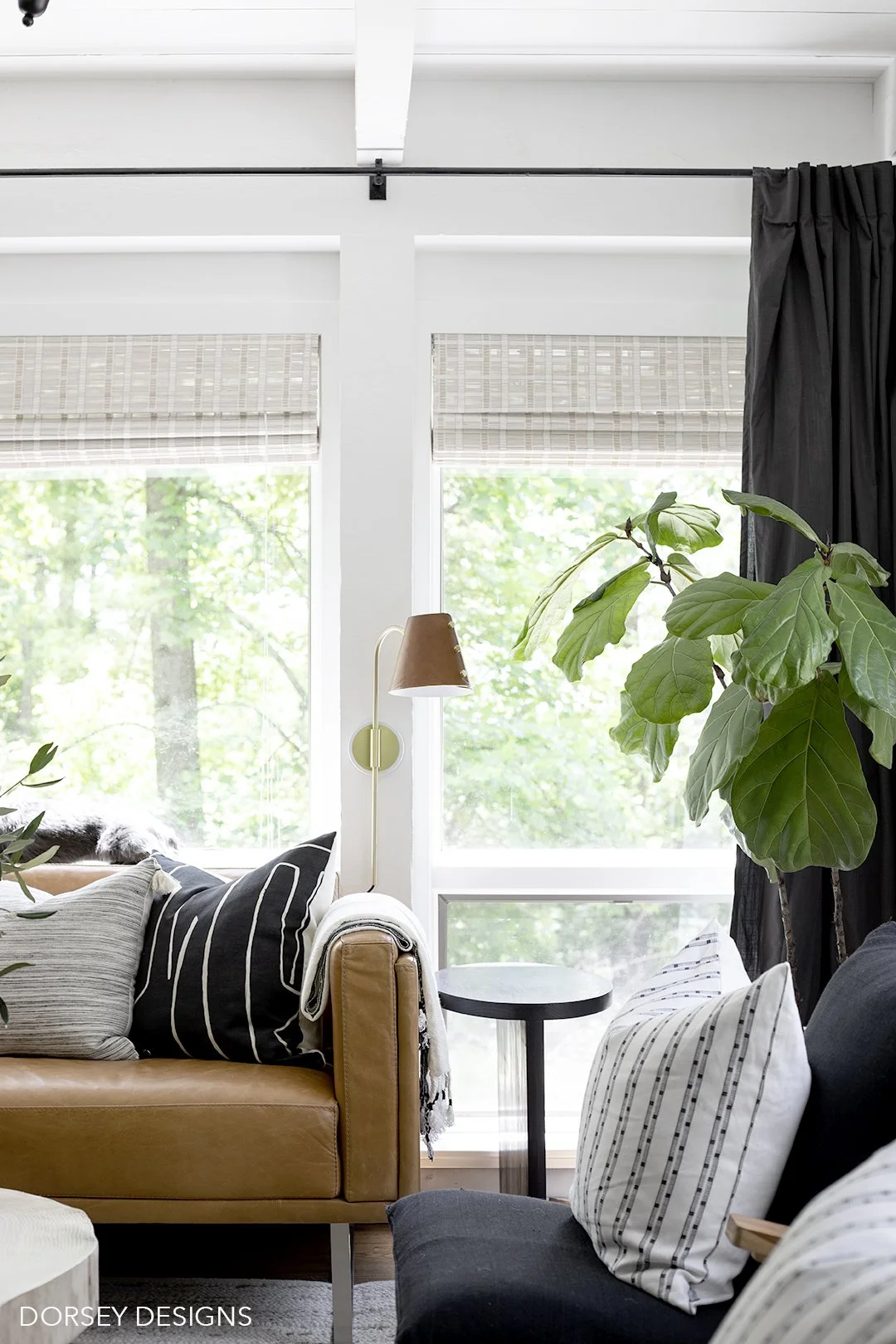
Woven Shades
Also sometimes called woven wood shades. These can be made from any number of natural materials like bamboo, grass, and reeds. They’re timeless and unbelievably versatile, and bring a nice bit of warmth into a space.
You can use just the woven shade for some nice medium light filtering, or you can get a shade that’s lined with something like canvas for more light blocking.
Best for: honestly, almost anywhere. Difficult to go wrong
via Vanessa Francis
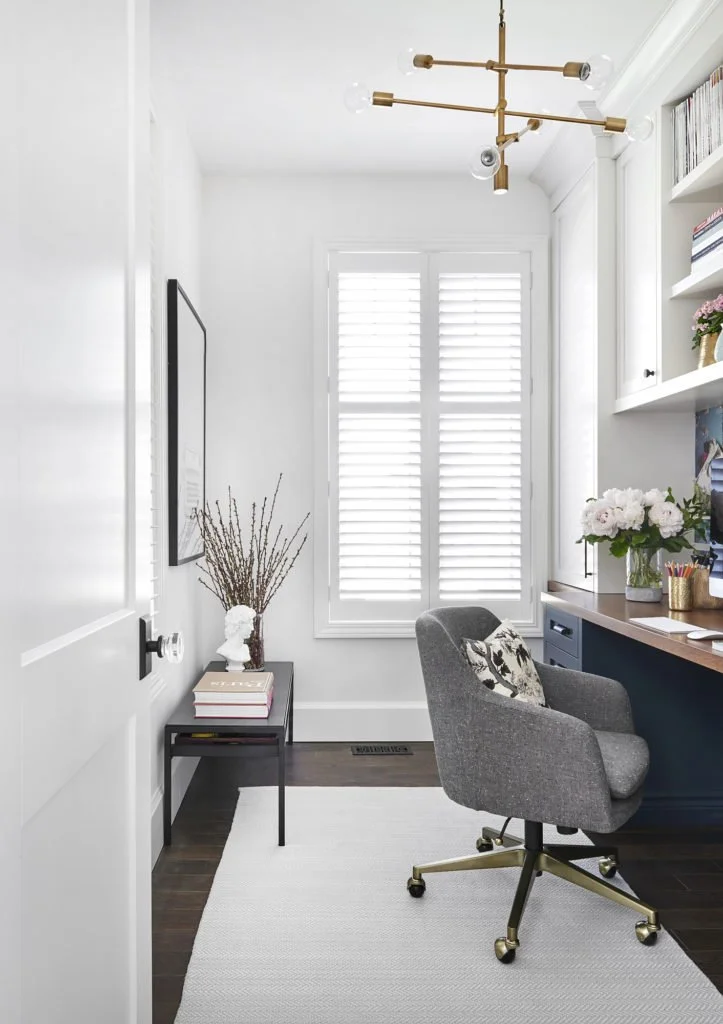
Shutters
Probably the most straightforward window treatment--there's really only one kind of interior shutter. They do vary in width and spacing of the louvers, and you can opt for shutters with hinges if you want to be able to swing the whole shutter open for max light.
Materials:
Wood: Beautiful but expensive, can warp in humid conditions
Faux wood (Composite): Durable, moisture-resistant, less expensive
Vinyl: Most affordable, good for humid areas but limited colors
Best for: Traditional homes, increasing property value, rooms where you want a built-in look, kitchen windows, bathrooms, anywhere you want privacy but maximum light
via Dorsey Designs
Decision framework
Ask yourself these key questions to narrow down your options:
Privacy needs: Do you need full privacy, partial privacy, or just decorative coverage?
Light control: Do you want to filter light, darken the room completely, or maintain maximum brightness?
Energy efficiency: Are heating and cooling costs a concern?
Safety and maintenance: Do you have young children who need cordless options? Is this a high-traffic area that needs to be easy to clean?
Match Your Needs to the Right Options:
For Maximum Privacy: Blackout roller shades, room-darkening cellular shades, lined curtains or drapes, shutters (when closed)
For Light Filtering (Some Privacy, Natural Light): Sheer curtains, light-filtering cellular shades, light-filtering roller shades, woven wood shades
For Precise Light Control: Venetian blinds (adjust slats as needed), vertical blinds, shutters
For Energy Efficiency: double-cell cellular shades (best insulation), lined curtains with proper coverage, shutters, insulated roller shades
For Easy Maintenance: aluminum or faux wood blinds (wipe clean), roller shades (minimal fabric to collect dust), shutters (quick dusting)
For Moisture-Prone Areas (Kitchen/Bathroom): faux wood blinds, aluminum blinds, vinyl shutters, moisture-resistant roller shades
The bottom line
There's no "wrong" choice! The right choice is anything that works for your lifestyle, budget, and aesthetic preferences. The key is understanding what each option brings to the table and choosing based on what matters most to you: privacy, light control, style, and maintenance. Happy, happy window treating!