Planning Your Perfect Dining Space: Function First (Part 1)
DESIGN
Story by Virginia Beshears
When it comes to creating a dining space, the most crucial (and the oft skipped) step of the process is figuring out how you actually live and how the space where you eat can fit or enhance your existing routines.
It is SO tempting to jump straight into decor, but unfortunately even the most beautiful dining room in the world won't serve you well if it doesn't match how your family actually eats, entertains, and uses the space.
This is Part 1 of our dining space deep dive, and we're focusing entirely on the functional side. Think of this as laying the foundation before you build the house. Once you nail down the practical aspects, the aesthetic decisions (which we'll cover in Part 2) become so much clearer and more purposeful.
The Essential Questions for planning a dining space
Before you measure a single inch or browse a single catalog, go through these questions. Your answers will become your design roadmap.
About your current setup:
- Why do you eat where you currently eat?
- What do you love about your current eating area? What drives you nuts?
- Could you realistically eat somewhere else in your home?
- Is outdoor dining a possibility for part of the year?
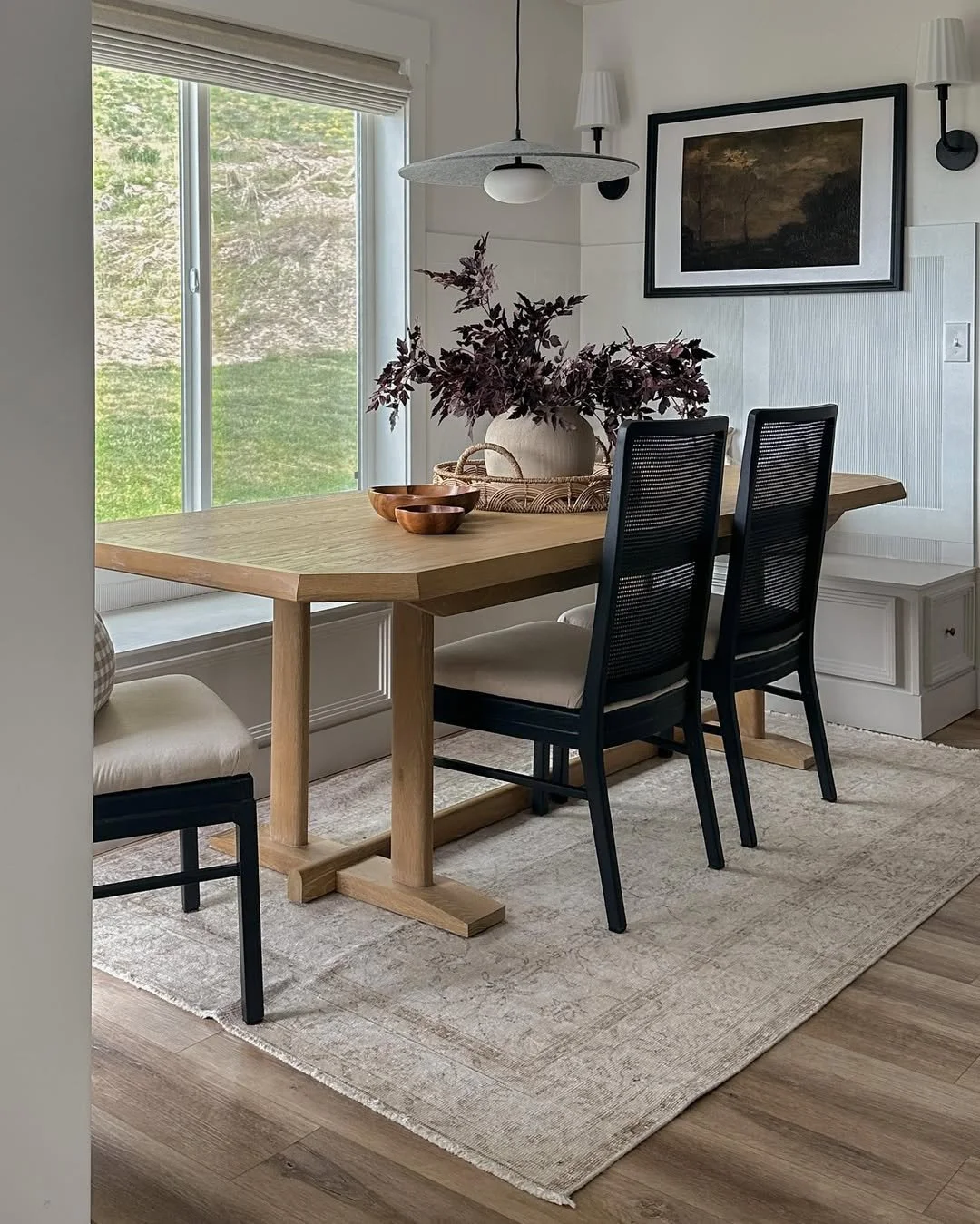
via homeoncastlerock
About how you actually use your space:
- How many people typically eat together in your home?
- Do you need flexibility to accommodate larger groups? How often?
- What time of day do you use your eating space most—breakfast, lunch, dinner, or all three?
- How long do meals typically last in your home?
- What activities happen at your table besides eating? (Homework, work-from-home sessions, board games, crafts?)
About your space:
- Do you want your eating area connected to or separated from your kitchen?
- If your eating space is part of a larger room, do you want it integrated or defined as its own zone?
- How easy is it to get food from kitchen to table and dishes back to the kitchen?
- Is your eating area always visible, or can it be "closed off" when not in use?
About practicalities:
- How much wear and tear does this space need to handle?
- What's your cleaning and maintenance tolerance level?
- What priority does this space have in your overall home budget?
- How do you envision your ideal eating experience?
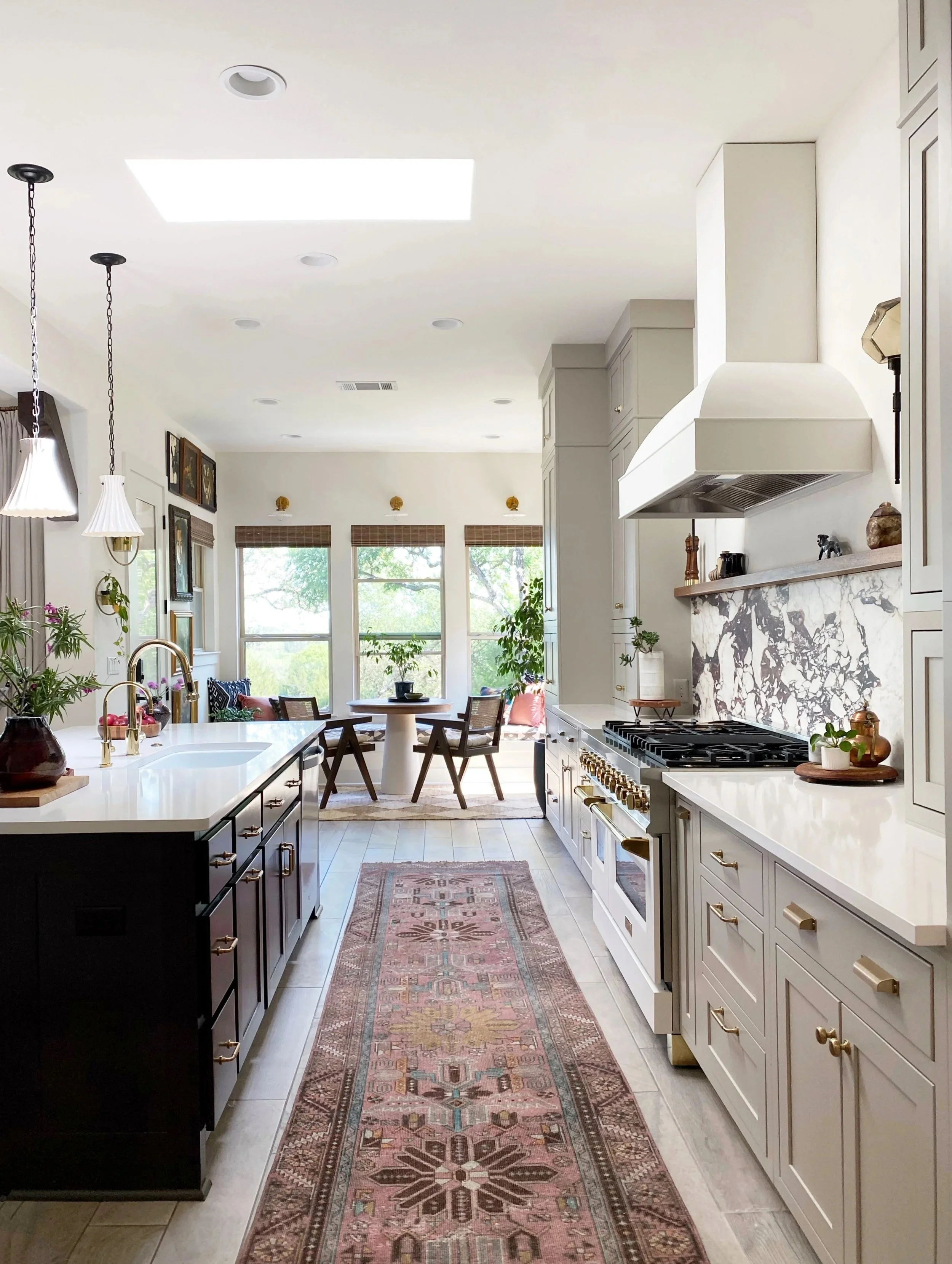
via Kristin Laing
There's no universal "right" answer to any of these questions. In all likelihood, every single person who reads this guide will have a completely unique set of answers.
For example, two people might both say they need to seat 10 people regularly, but their solutions could be completely different. One family hosts formal dinner parties and needs elegant seating around a large table. The other has kids who bring friends over for casual meals and needs something more flexible—maybe a kitchen island with stools plus a nearby table that can handle the chaos of hungry teenagers.
Both solutions are correct for their situations.

Rethinking the "Rules" of Dining Spaces
The formal dining room dilemma
Formal dining rooms are by nature not easy, low maintenance spaces to use. Maybe you have a beautiful dining room that only gets used twice a year. If you have a beautiful formal dining room that sits empty 99% of the year, it might be time to reimagine it. Could it become a multi-purpose space that better serves your daily life while still accommodating special occasions? Some possibilities:
Create a dual-purpose room that functions as a lounge or library daily but can still host holiday meals
Transform it into a workspace or hobby room with furniture that can double as extra dining space when needed (i.e. the dining table serves as a sewing table apart from the last week of November)
Turn it into a flexible entertaining space for cocktails and conversation, with your main dining happening elsewhere
Open Concept Challenges
If your dining area is part of an open-concept space, you have unique considerations:
How to define the dining zone without walls
Managing noise and activity flow during meals
Creating intimacy in a large, open space
Ensuring easy kitchen access without disrupting other activities
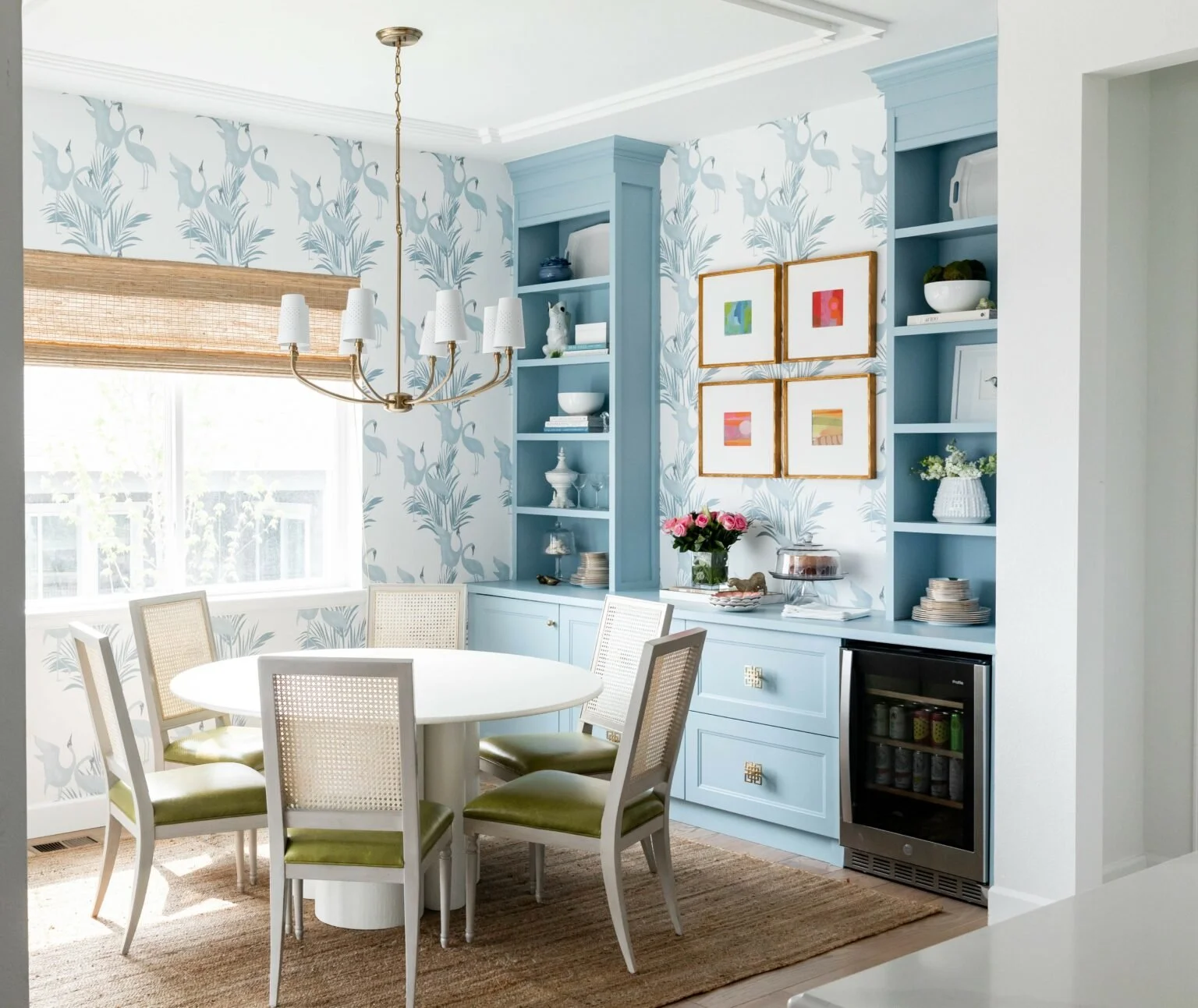
via Jana Donohoe
Red Flags That a Setup Isn't Working
Your dining table has become permanent storage for mail, homework, or projects
Getting food from kitchen to table feels like an obstacle course
You eat standing in the kitchen because sitting at the table isn't worth the effort
Your beautiful dining room makes you feel guilty every time you walk past it unused
Meals feel rushed because the seating is uncomfortable or the lighting is harsh
If you nodded along to any of these, functional planning will make a huge difference in how much you actually enjoy your eating space.
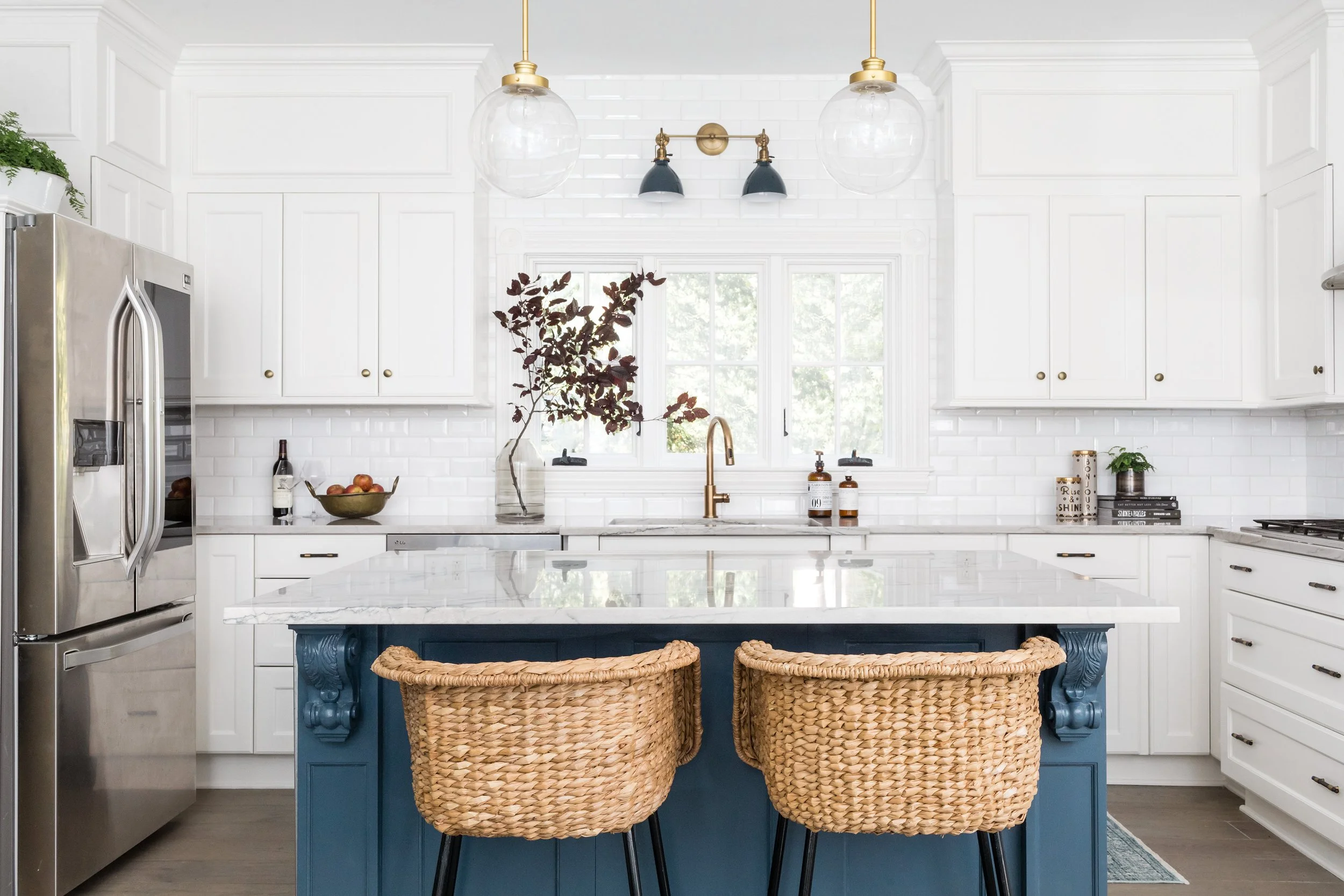
via Palm and Prep
Practical Next Steps
Document Your Current Reality
For one week, pay attention to:
Where and when you actually eat meals
How many people are typically involved
What activities happen at your eating surfaces
What frustrates you about your current setup
What works really well
Think Beyond Traditional Solutions
Your dining space doesn't have to look like a magazine if that doesn't serve your life. Consider:
Bar-height seating for casual, quick meals
Banquette or built-in seating to maximize space
Extendable or modular furniture for flexibility
Multiple smaller eating areas instead of one large one
Think about the entire process of eating in your space:
How food gets from kitchen to table
Where dishes go when you're done
Storage for linens, serving pieces, or extra chairs
Lighting that works for both intimate dinners and homework sessions
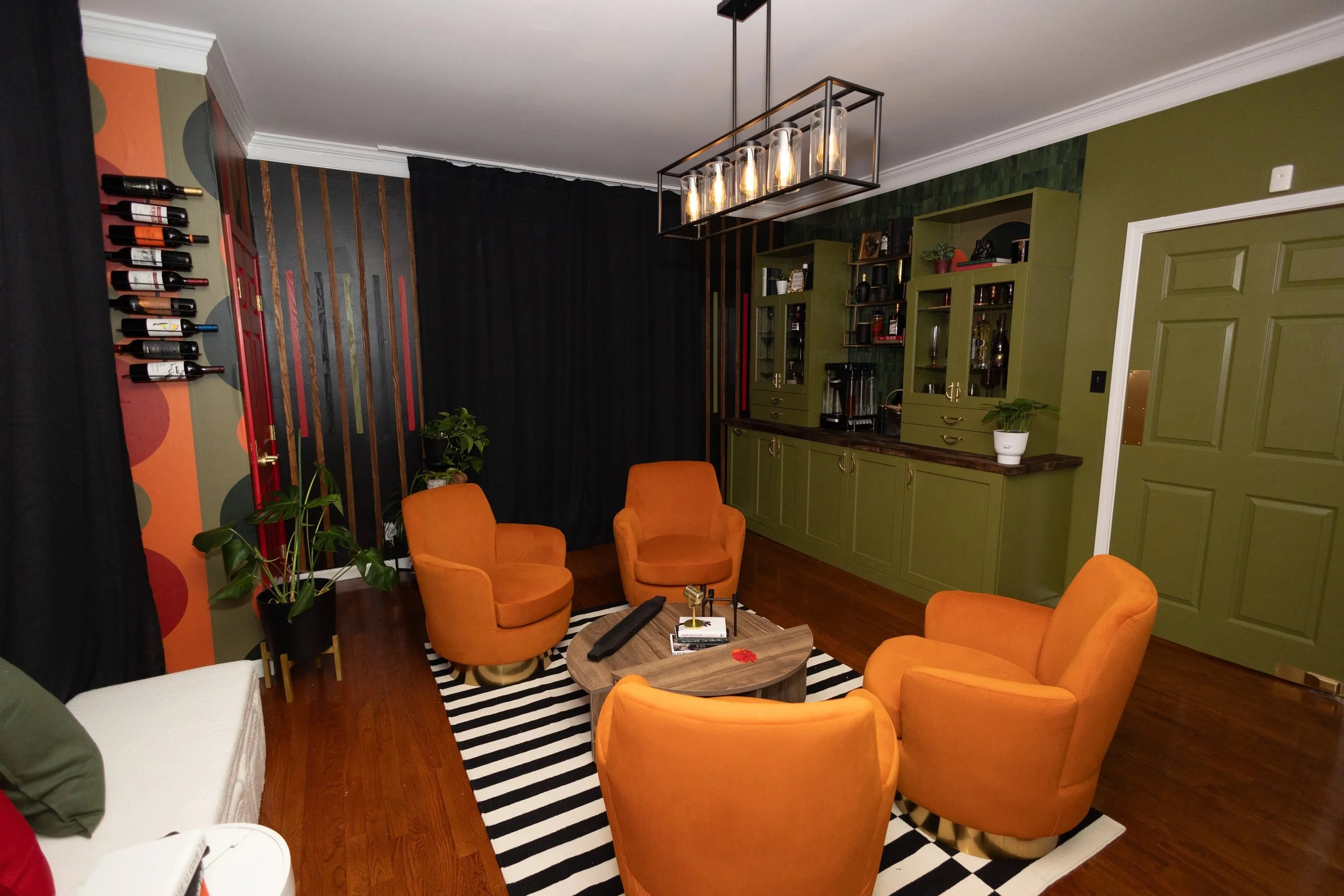
via Rhea Aligned — turned her rarely-used formal dining room into this incredible lounge area where she & friends can chat and sip cocktails; still a space for entertaining, but now it’s set up for how she actually wants to use it
The bottom line
Your dining space should make eating together easier and more enjoyable, not create stress or obstacles. The most successful dining areas are the ones that honestly reflect how their families live, eat, and entertain.
Once you've worked through the functional questions and have a clear picture of what you need your space to do, the fun part—choosing furniture, colors, and decorative elements—becomes so much more straightforward. You'll be shopping with purpose instead of hoping something will magically work.
Coming up in Part 2: Translating your functional plan into beautiful, livable design choices that reflect your style while serving your real-life needs.