DESIGN
Story by Team ORC
If your Instagram feed is anything like ours right now, you're probably drowning in jaw-dropping fall vignettes that look like they took a full weekend (and a small fortune) to create. Not everyone has Martha Stewart's budget or her team of stylists, though, and that's absolutely okay.
As we head into October and November, we're sharing our strategy for bringing seasonal charm into your home in an economical, thoughtful, and refreshingly low-effort way.
What We Considered
1. Quantity: how much seasonal decor do I actually want? Or need? How much storage space do I have for fall decor?
2. Budget: how much money do I want to spend on seasonal decor?
3. Effort: how much time do I want to spend setting up and storing seasonal items? If you're someone who loves the ritual of decorating for each season, more power to you! But if you're looking to streamline, we've got ideas.
4. Aesthetics: what colors and styles work in my home?
Our main conclusion has been that we'd rather put our decorating dollars toward permanent improvements, furniture, and art that we'll enjoy all year long. For temporary decor, we want to keep our spending to a minimum.
We think the amount of fall decor you display is likely influenced by whether or not you have children and whether or not you’ll be in entertaining during the fall season. Either way our inclination is to give the season a small nod, not fill every nook and cranny with items you’ll only see for one or two months every year.
In terms of effort and time investment, again, we’re being realistic about our time. We just don’t have the time required to create Martha level fall decor vistas. If you do, hats off to you! We’re just looking for ways to streamline.

Let's Talk About Orange
Traditional fall decor is heavy on orange, which also happens to be a color that can feel jarring if your home leans more neutral or cool-toned. The good news is that fall offers an entire palette of inspiration beyond the classic pumpkin orange.
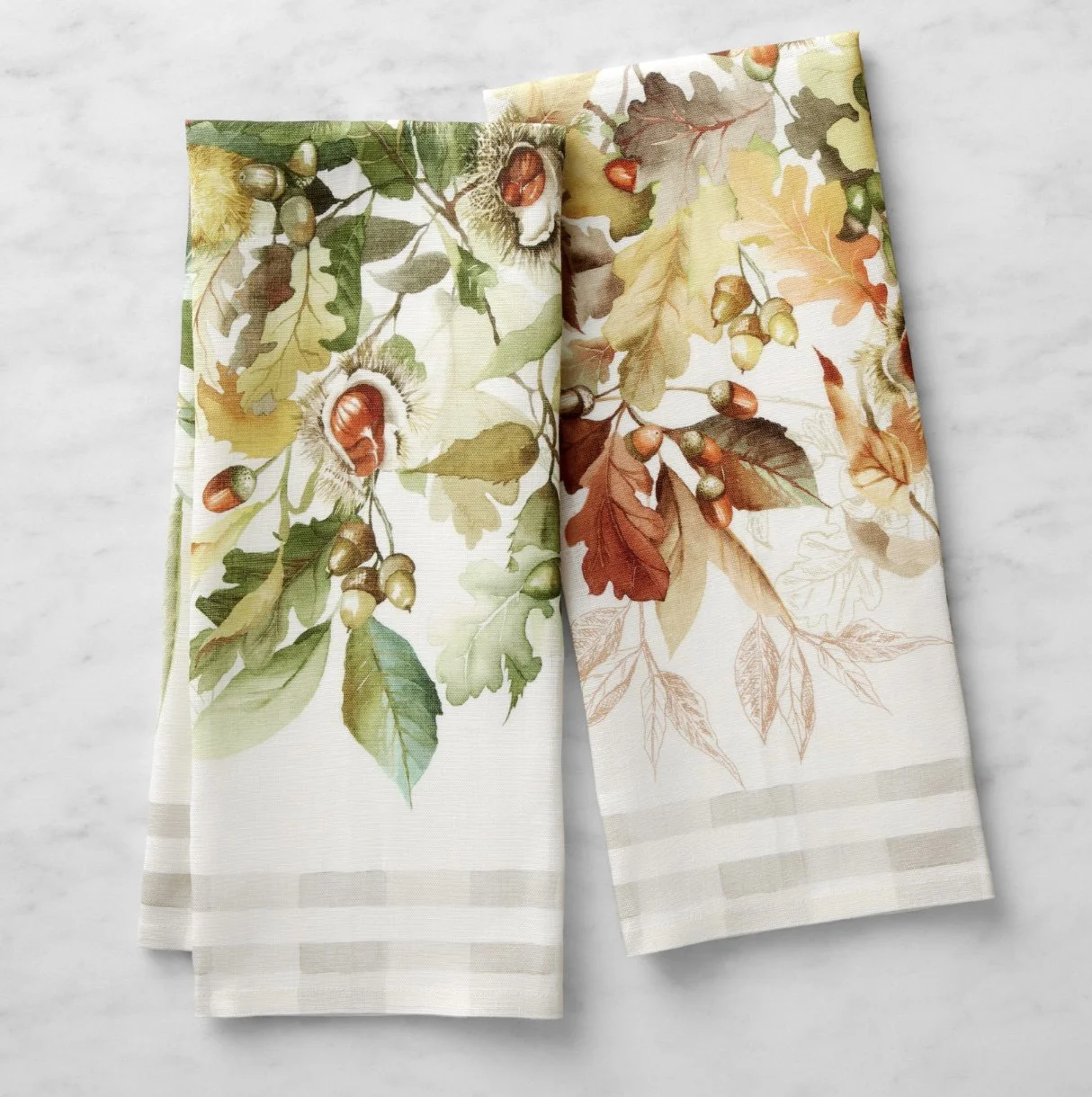
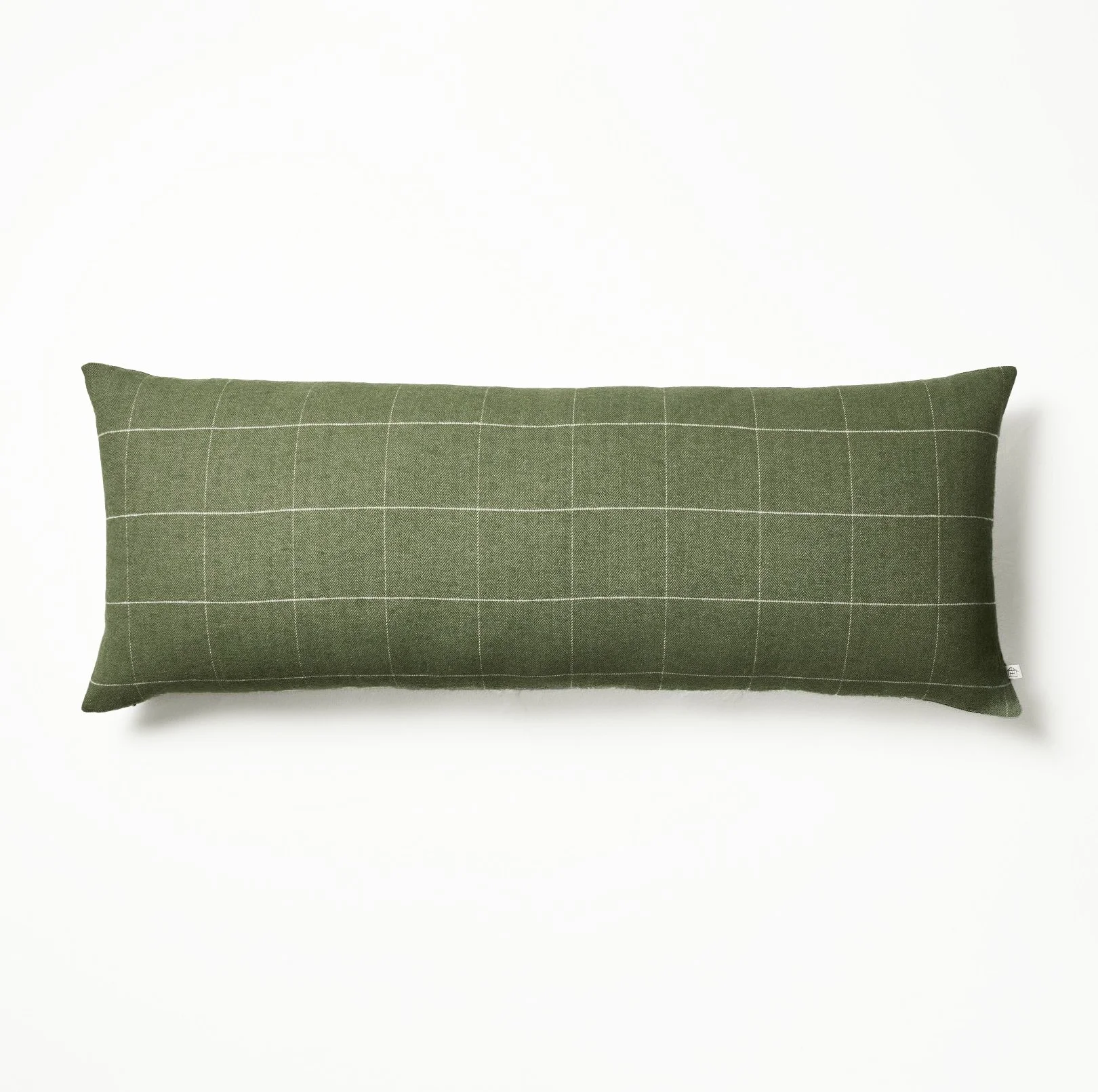
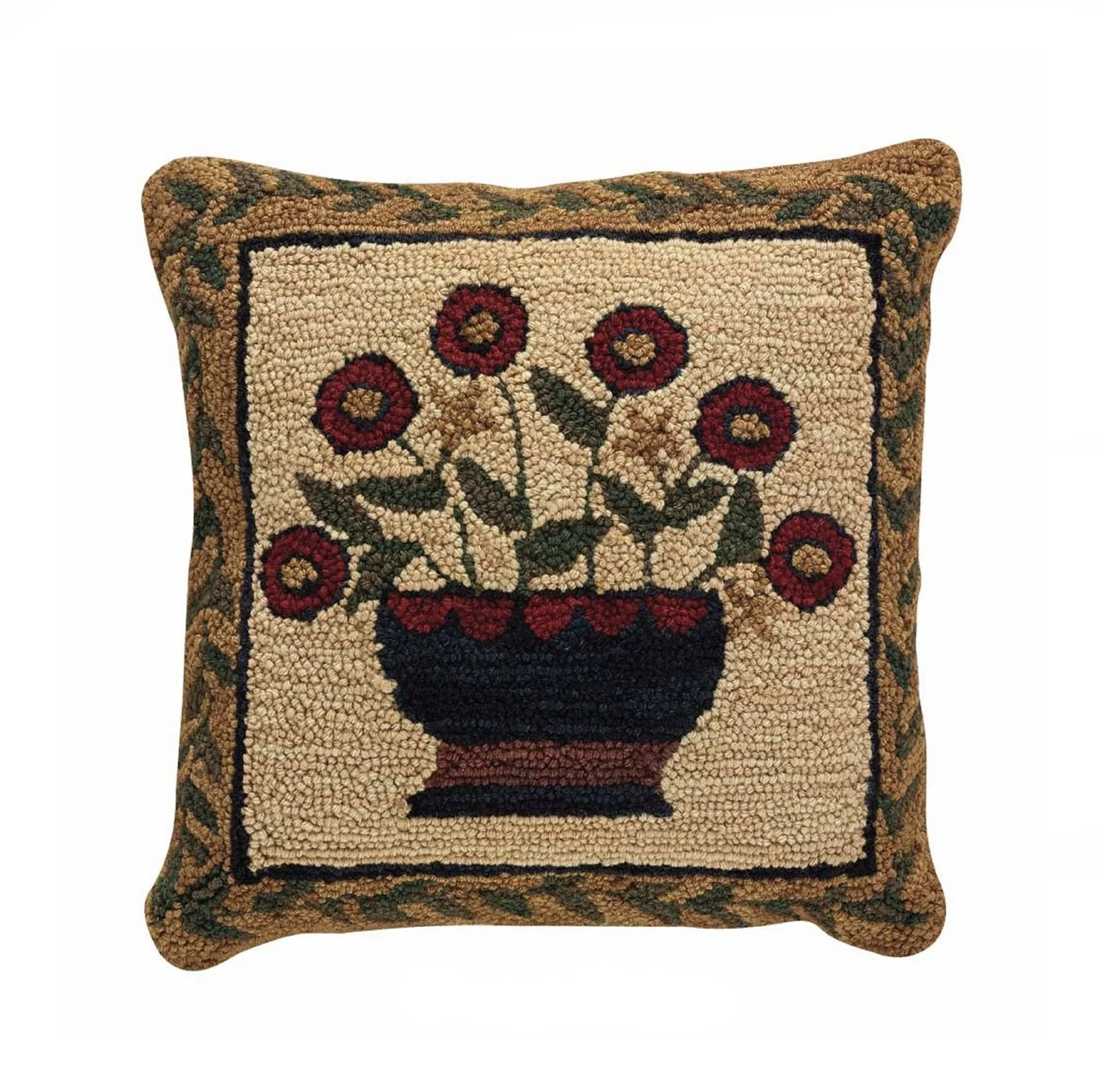
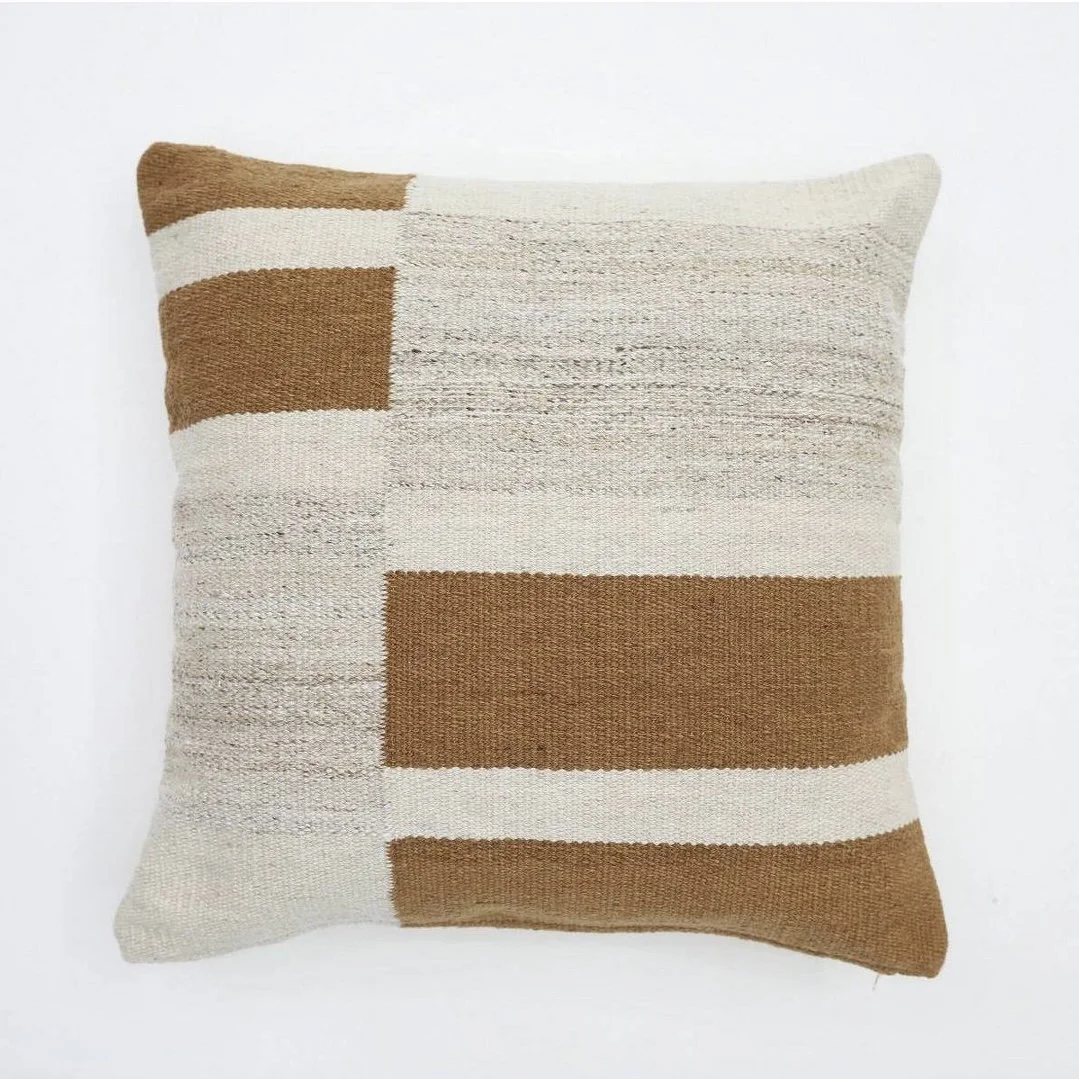
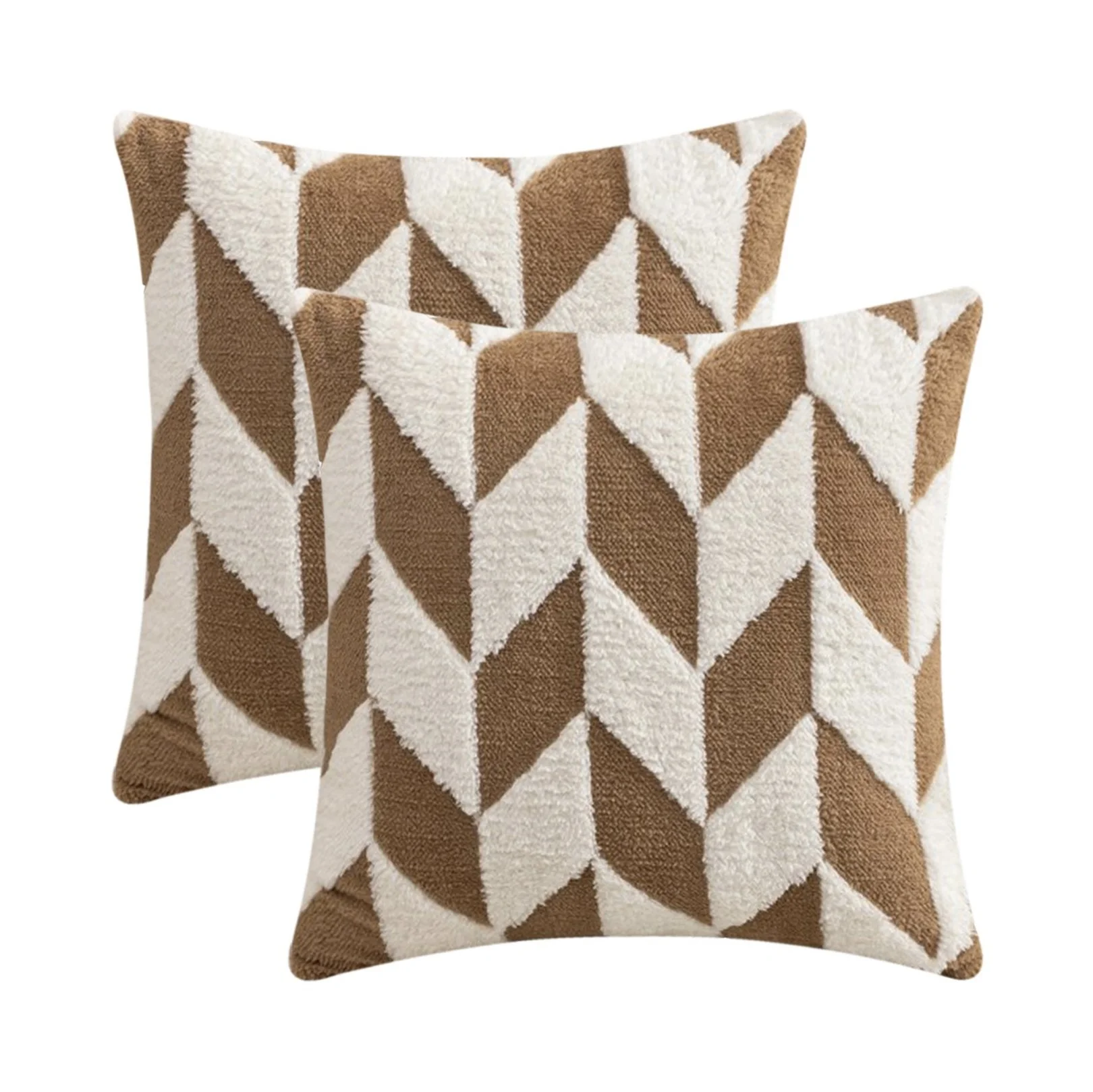
Think about the colors you see in fall foliage and harvest season: warm creams, deep burgundies, golden yellows, rich browns, and even sage greens. You can absolutely celebrate the season without introducing colors that clash with your carefully curated interior.
And while we're on the topic of cohesion, consider your home's overall style. A rustic scarecrow atop a bale of hay might be at home in the country, but it's going to feel out of place in a sleek downtown condo. Your seasonal decor should feel like it belongs in your space, not like it's visiting from somewhere else.
Our favorite strategy:
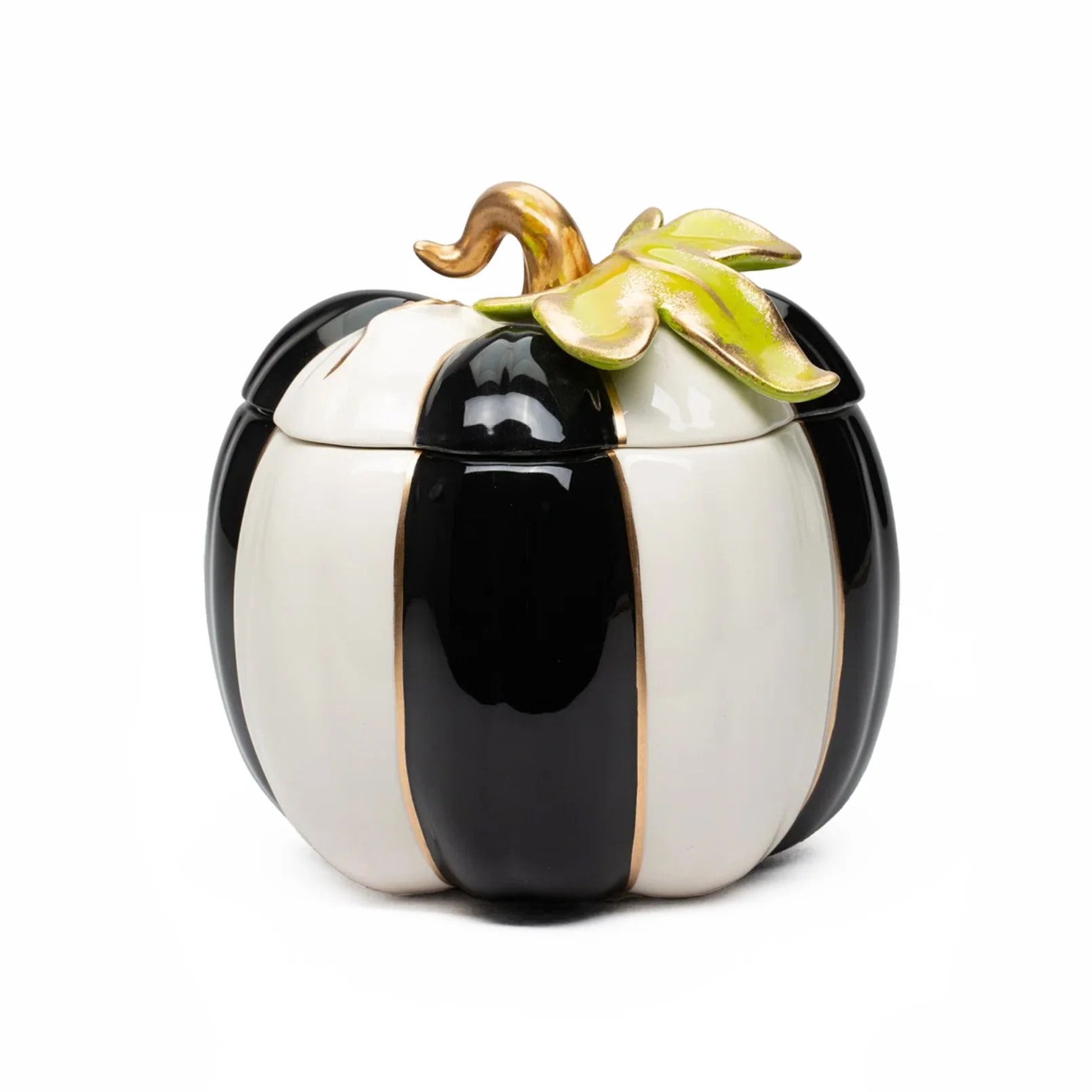
After considering our priorities, Team ORC landed on a simple approach: focus on items that are a nod to the season rather than holiday-specific pieces. This means decorative elements that work from September through November (we specifically wanted to avoid swapping out Halloween decor for Thanksgiving decor a few weeks later!!).
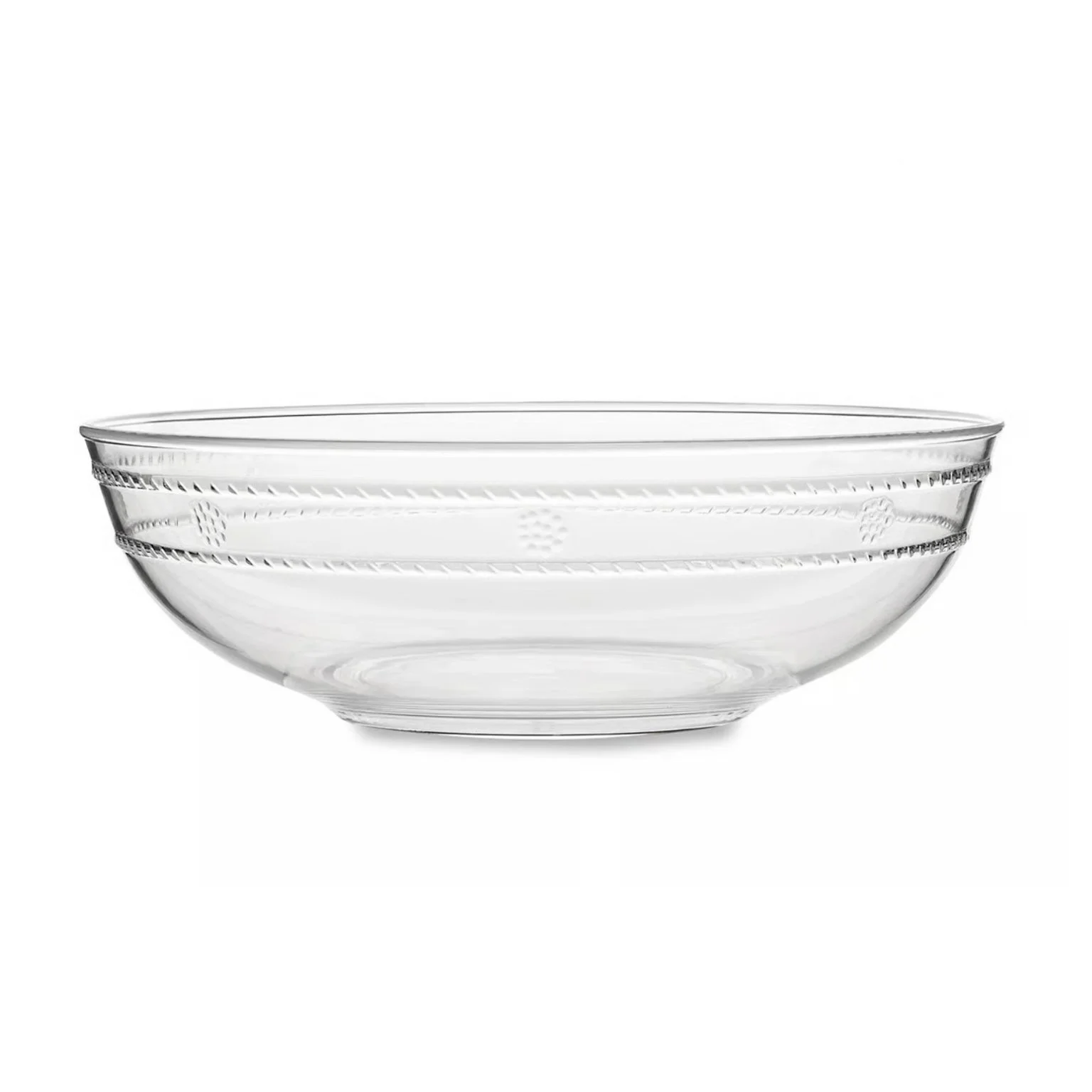
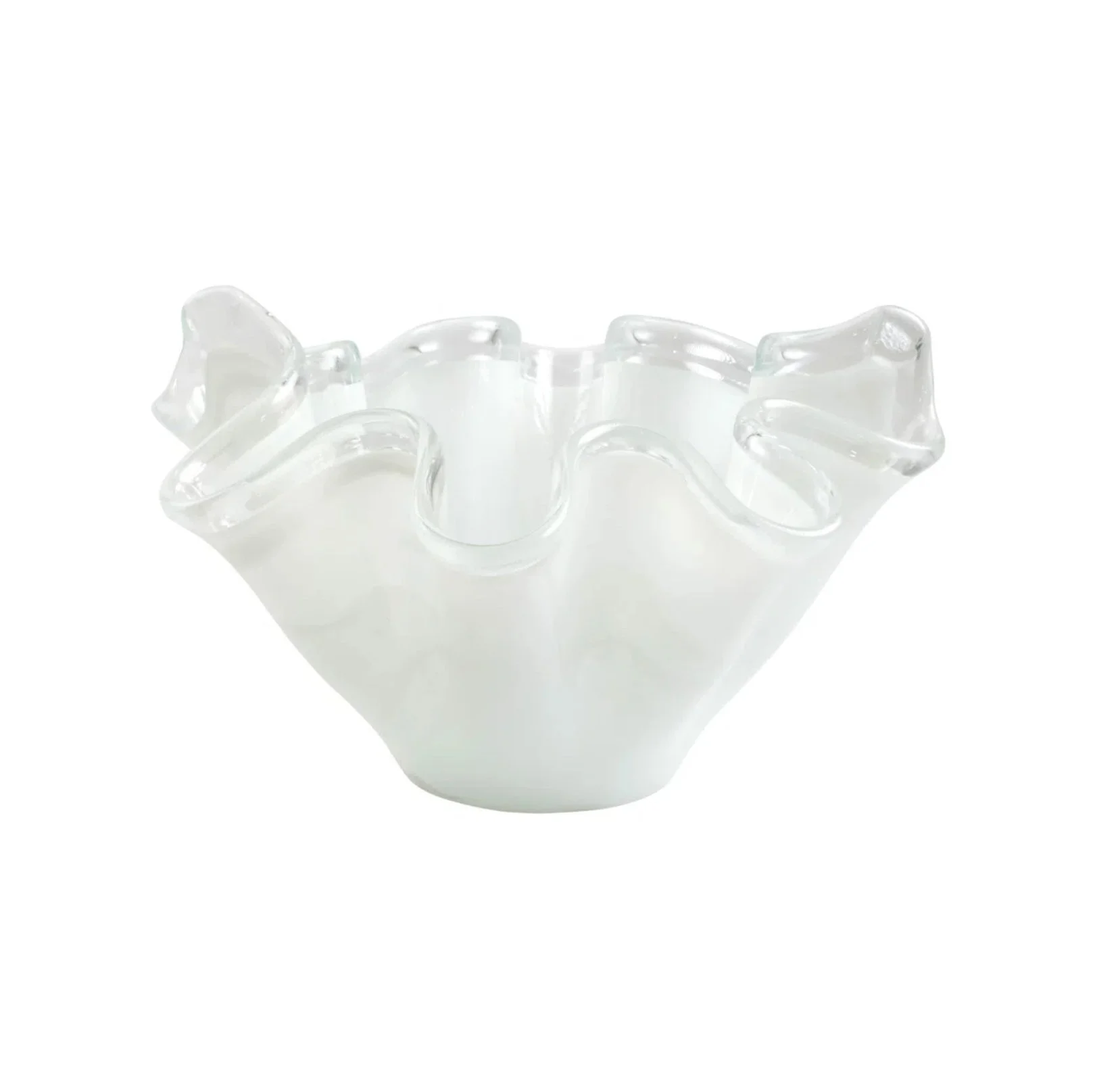
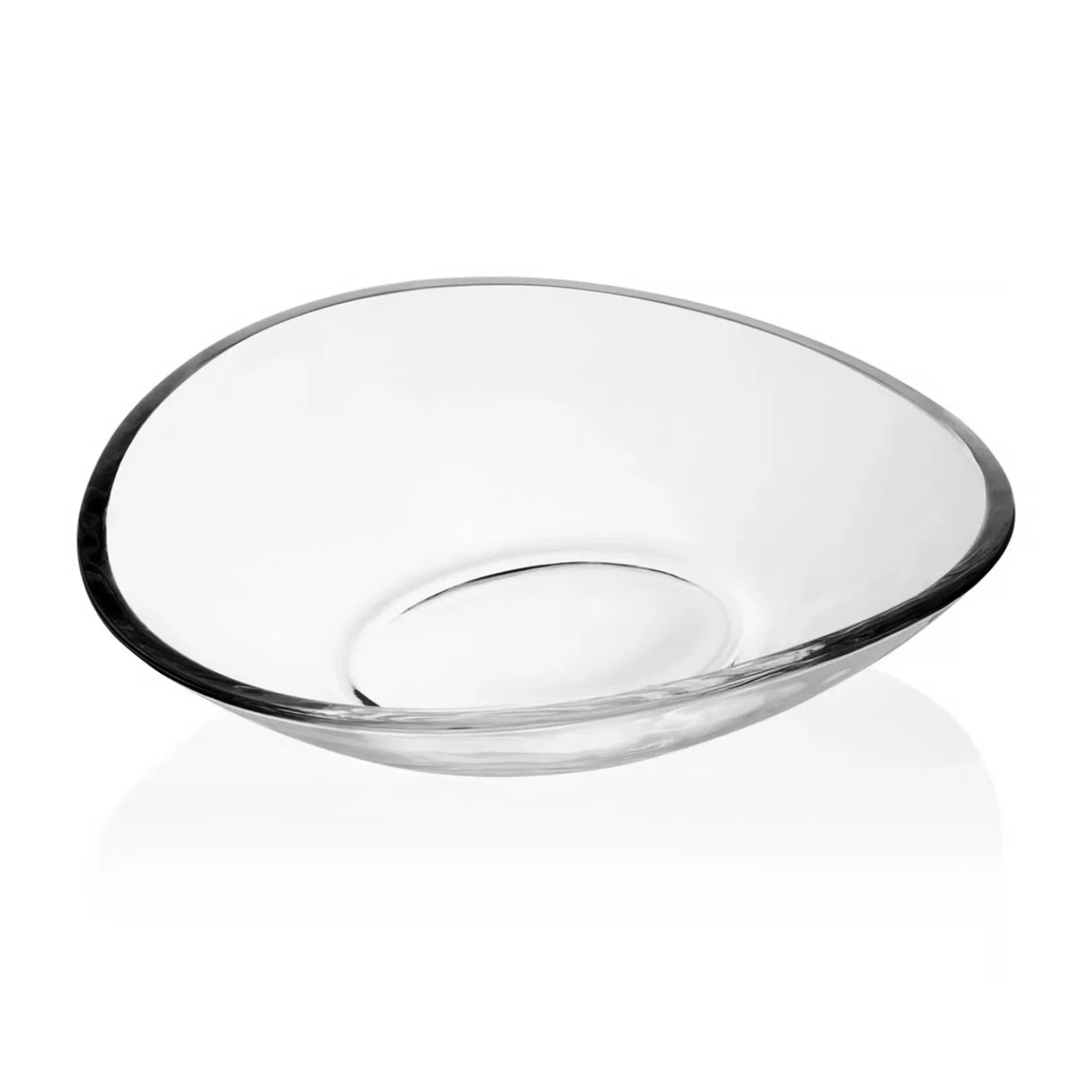
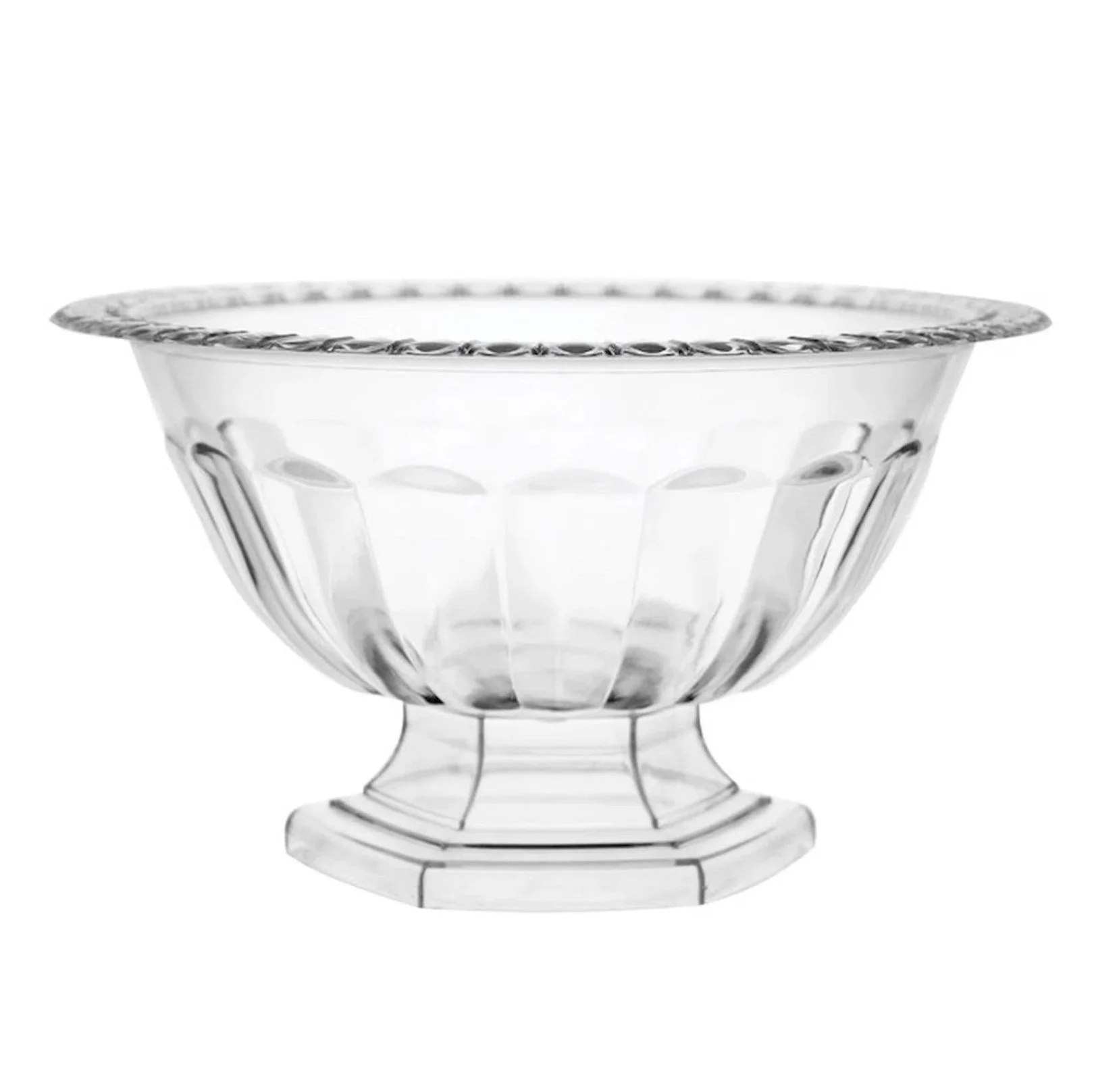
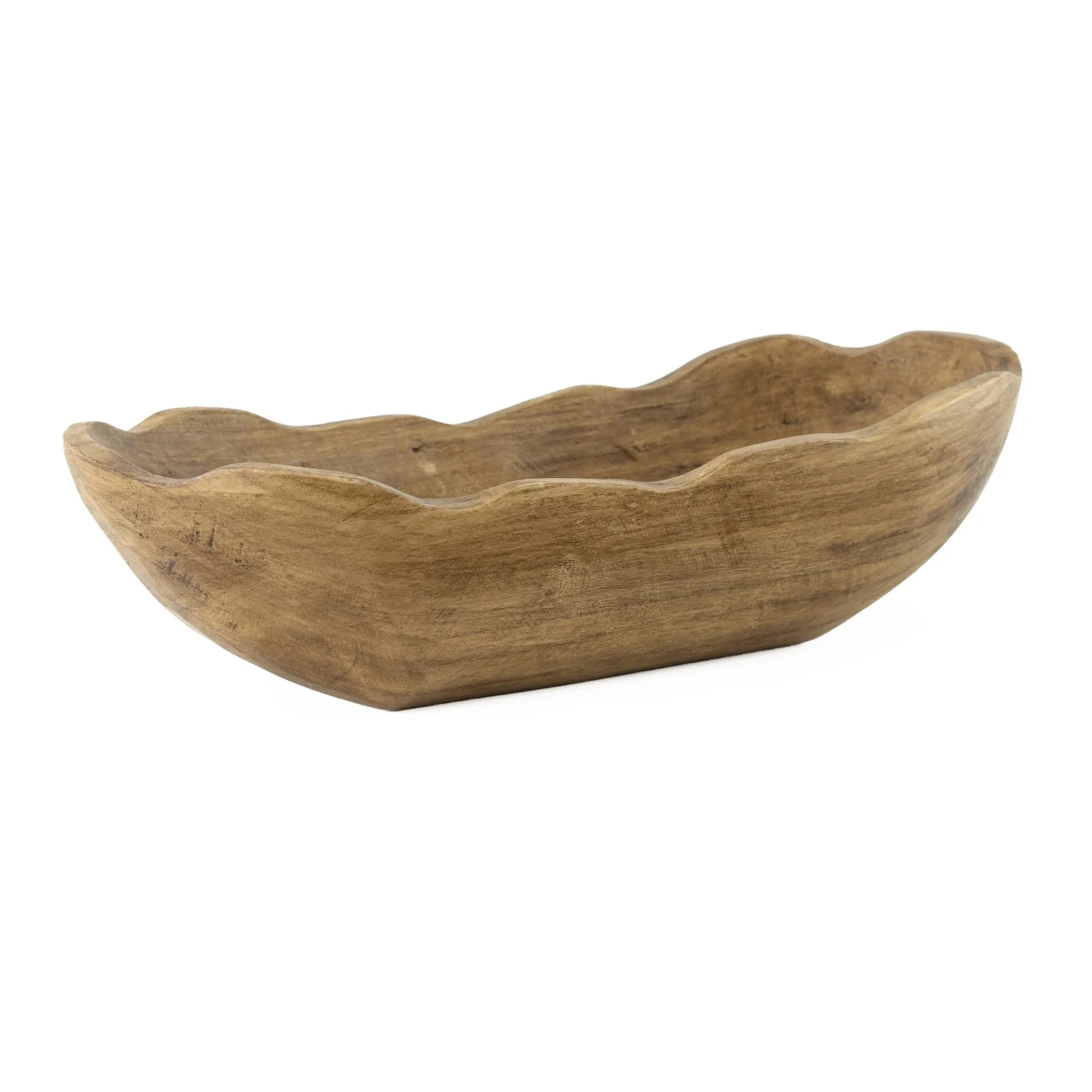
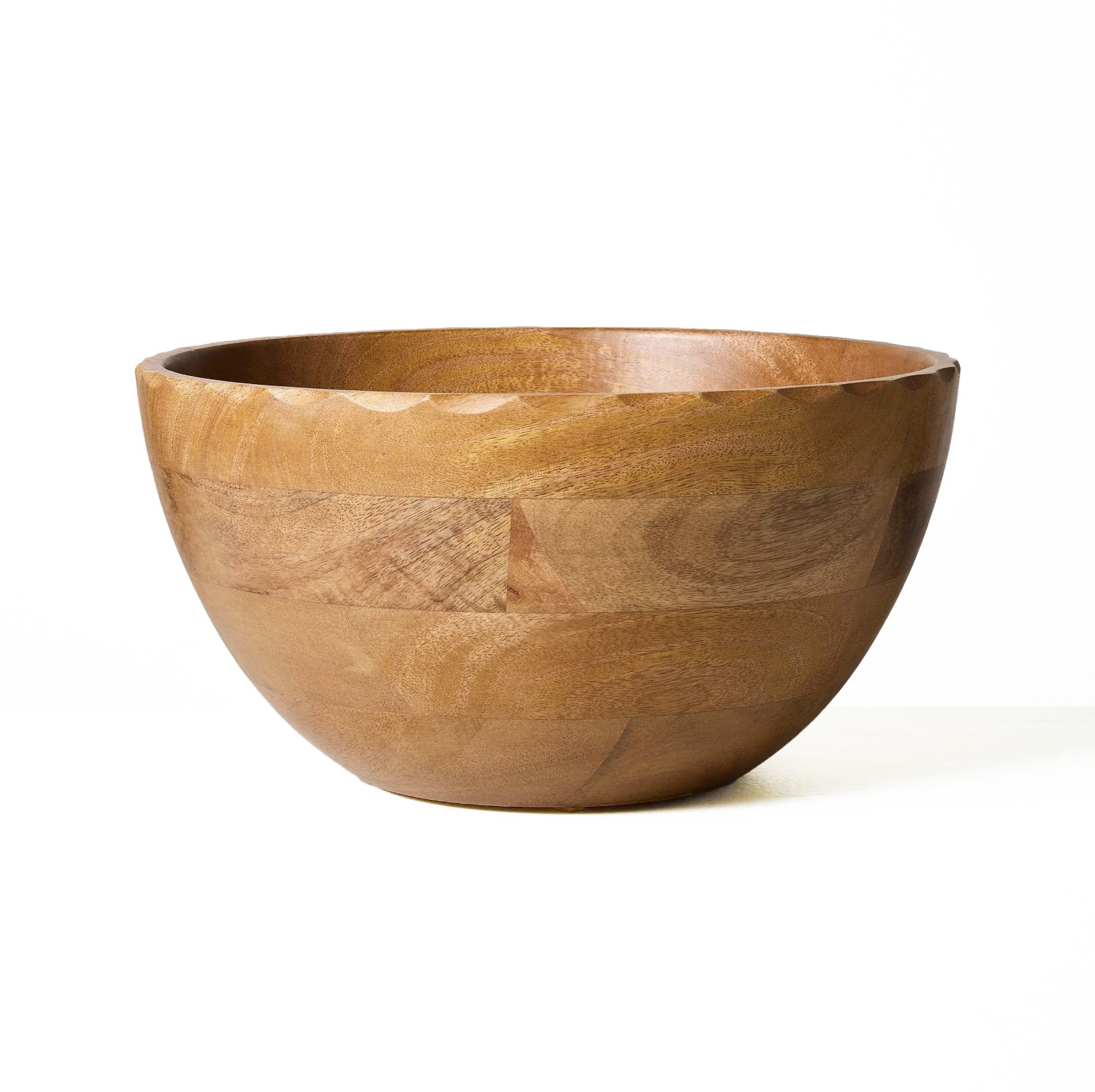
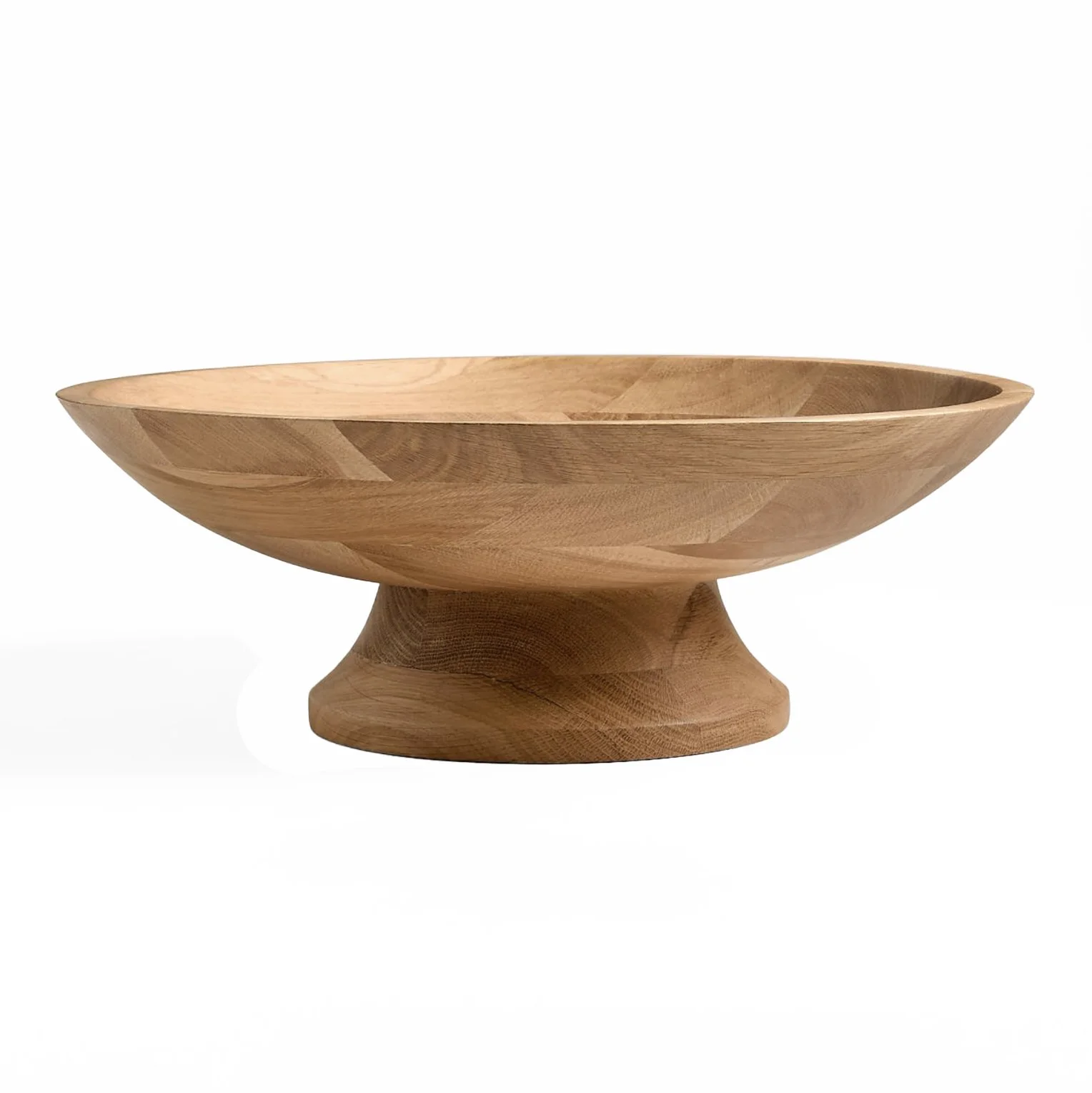
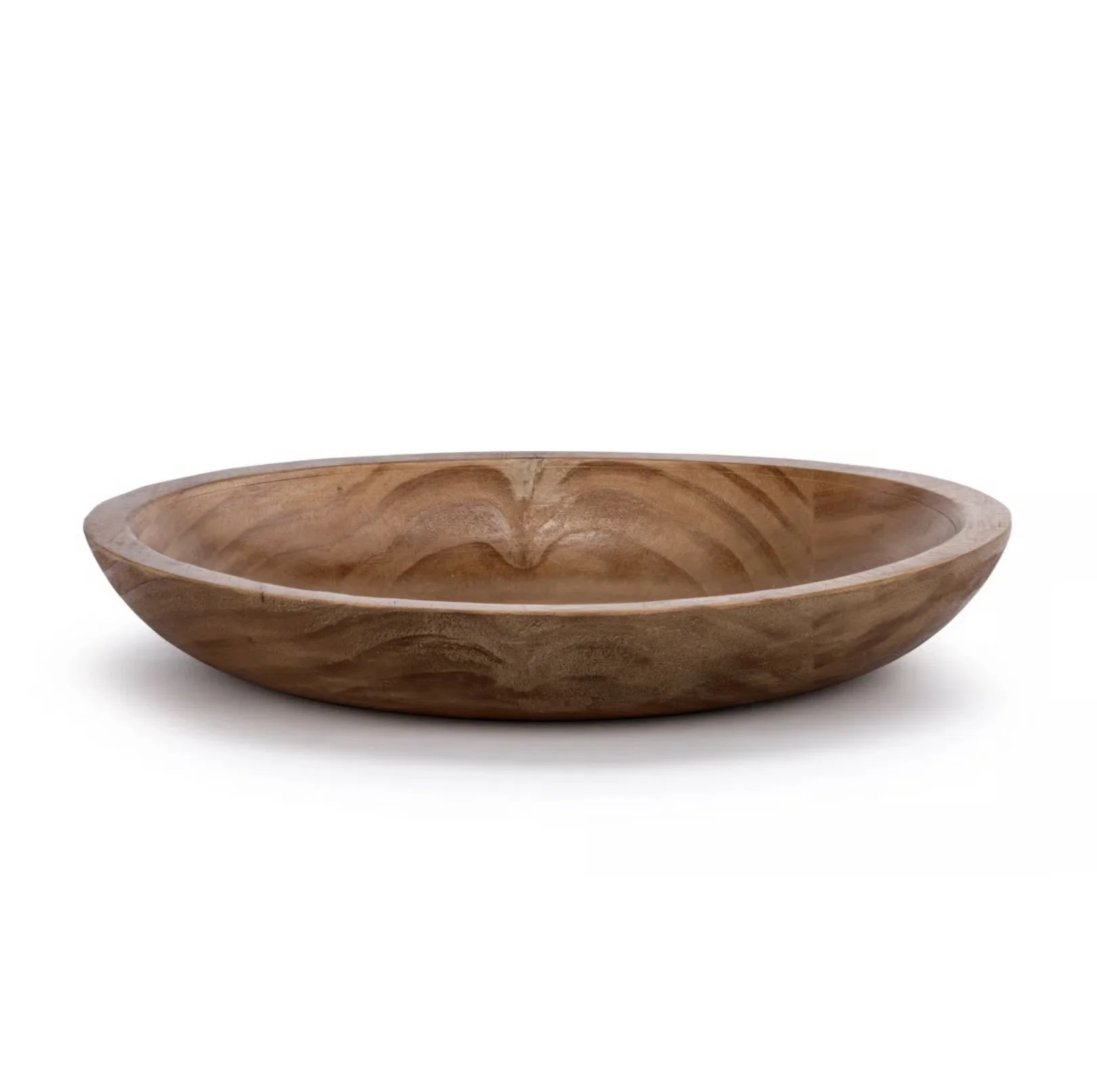
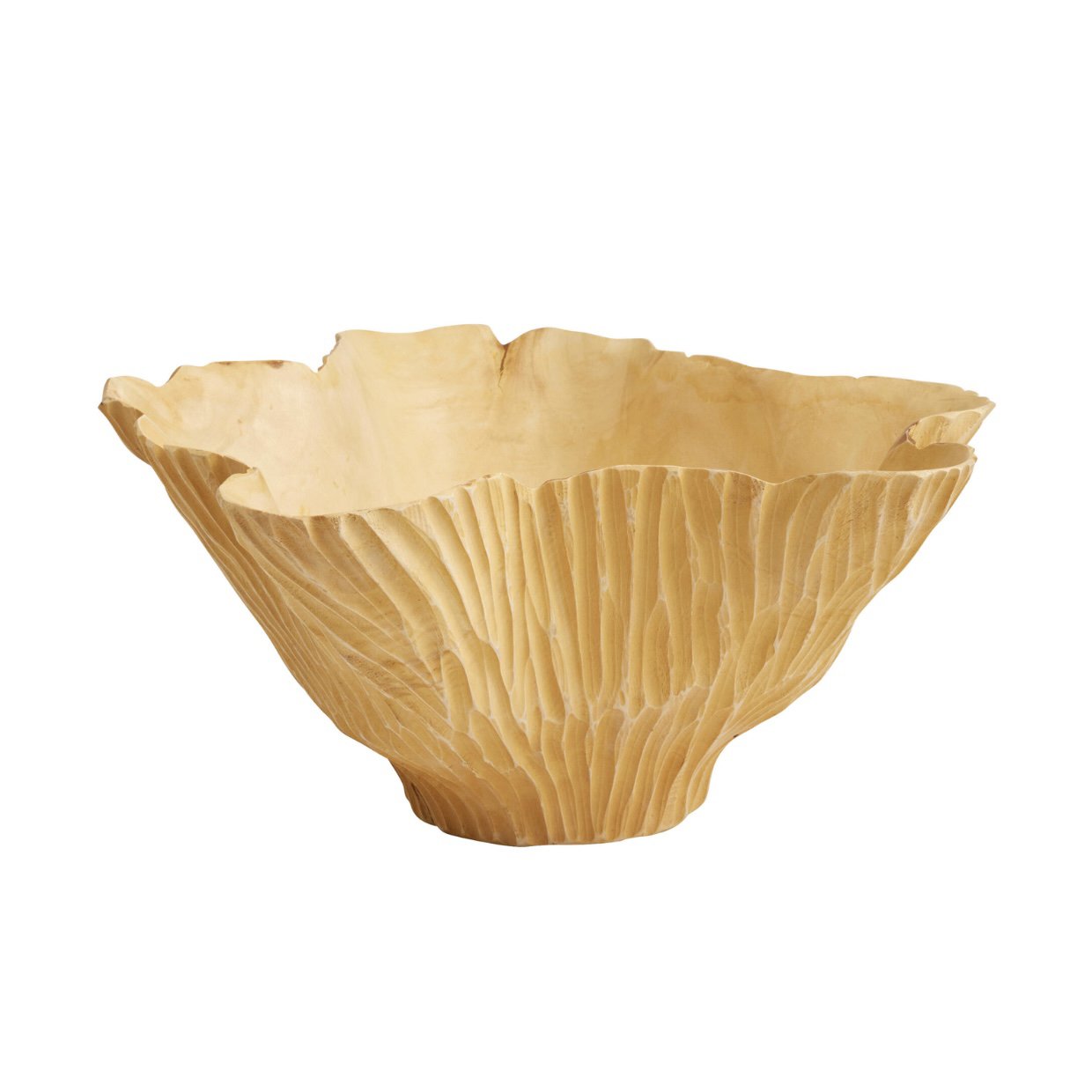
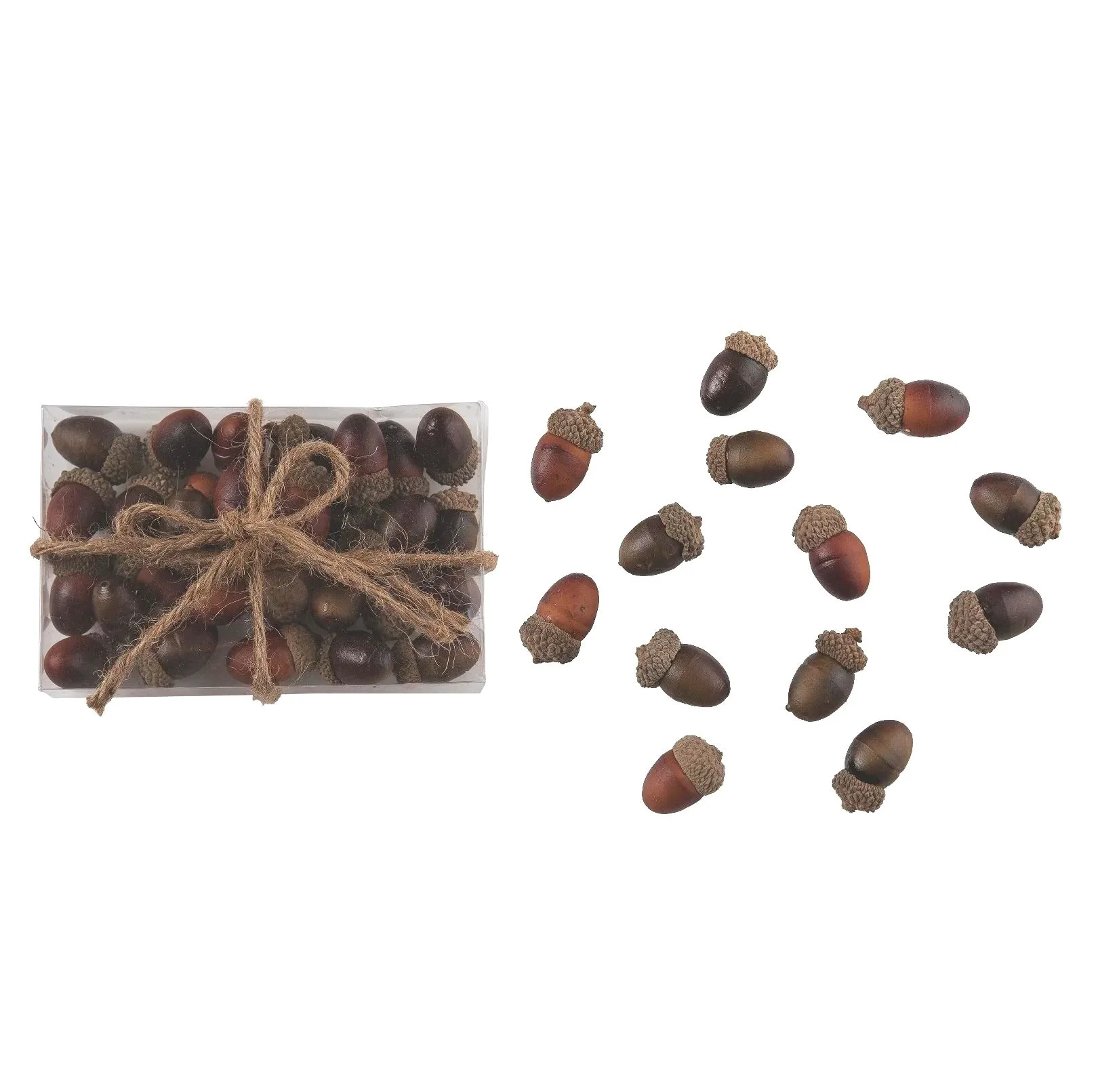
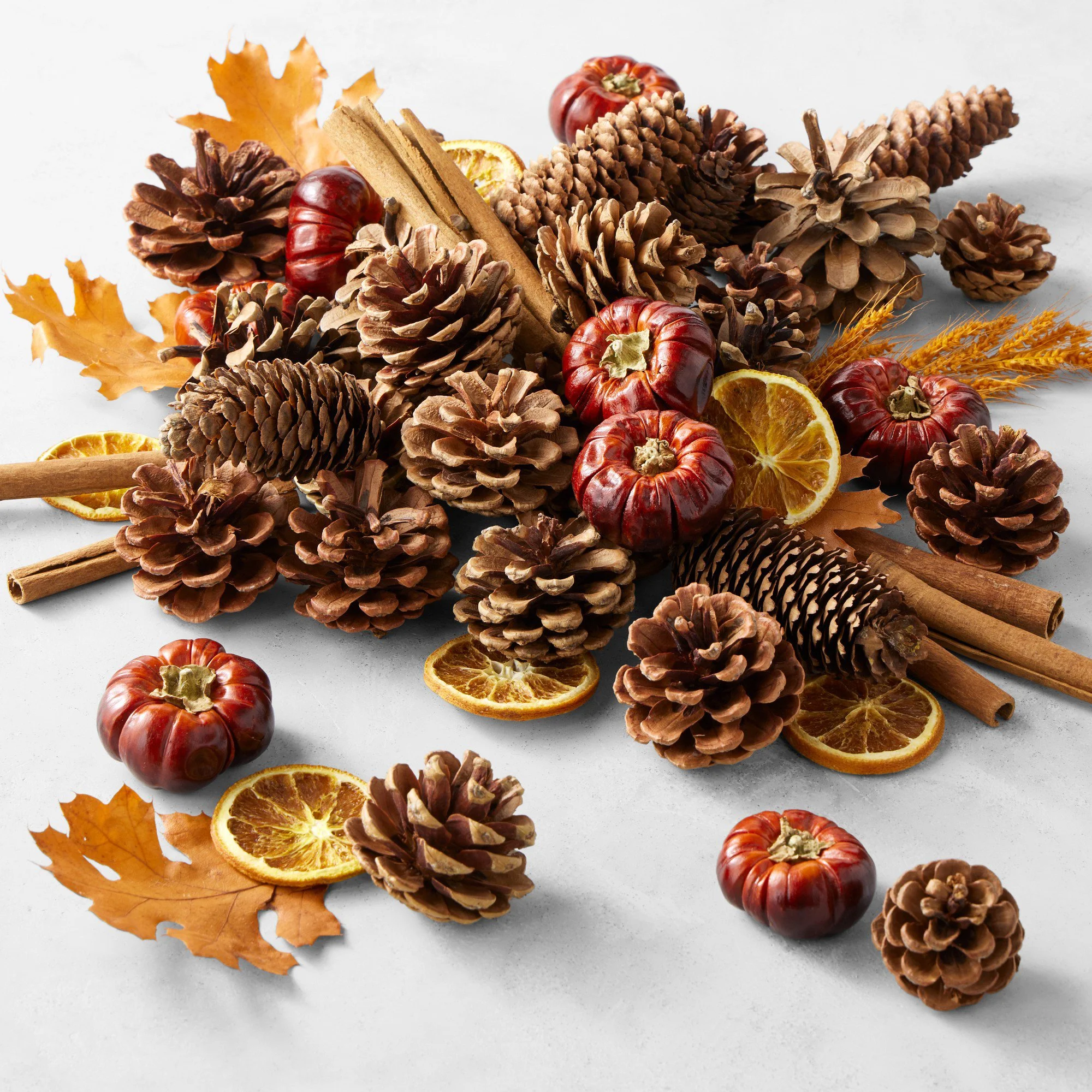
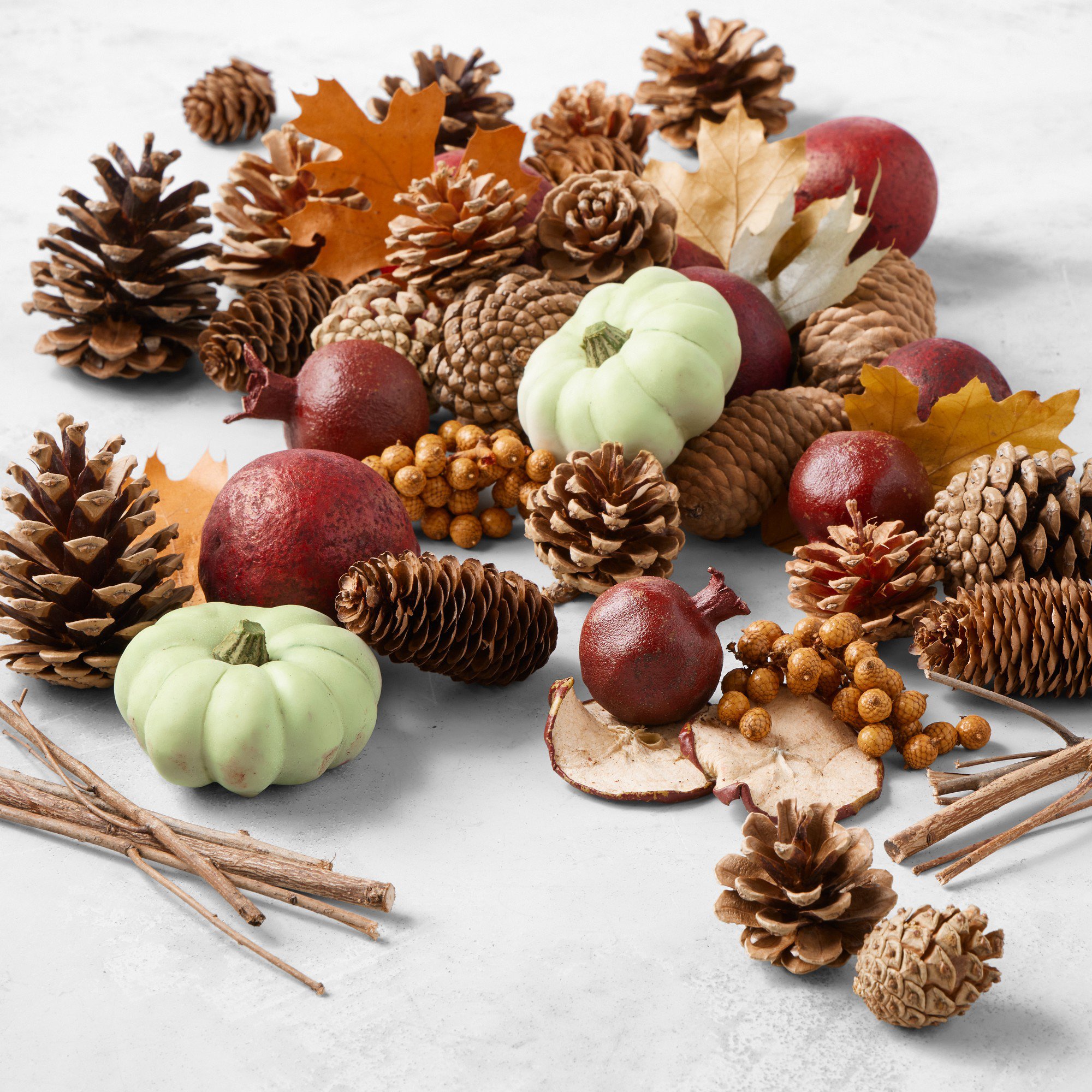
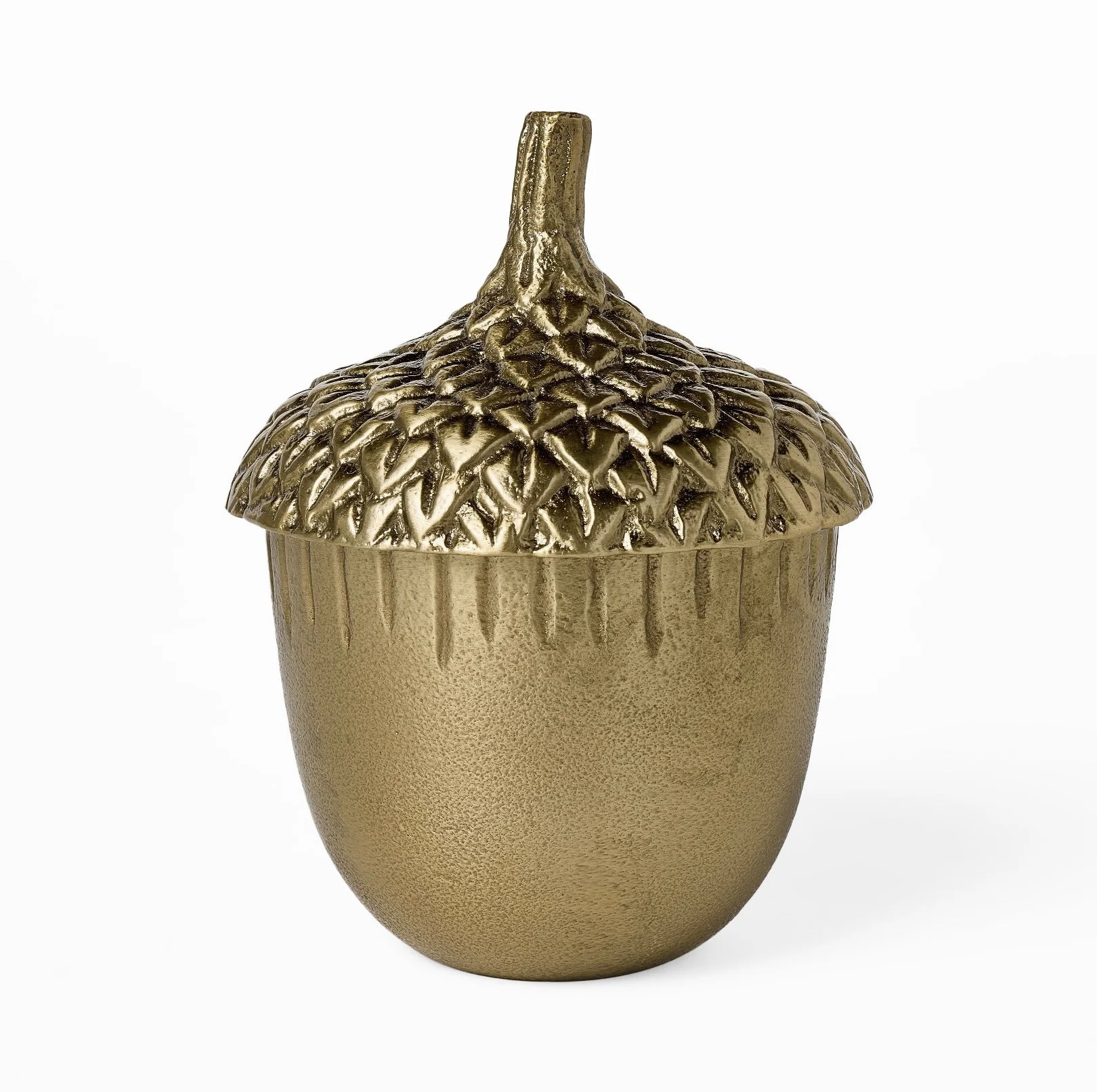
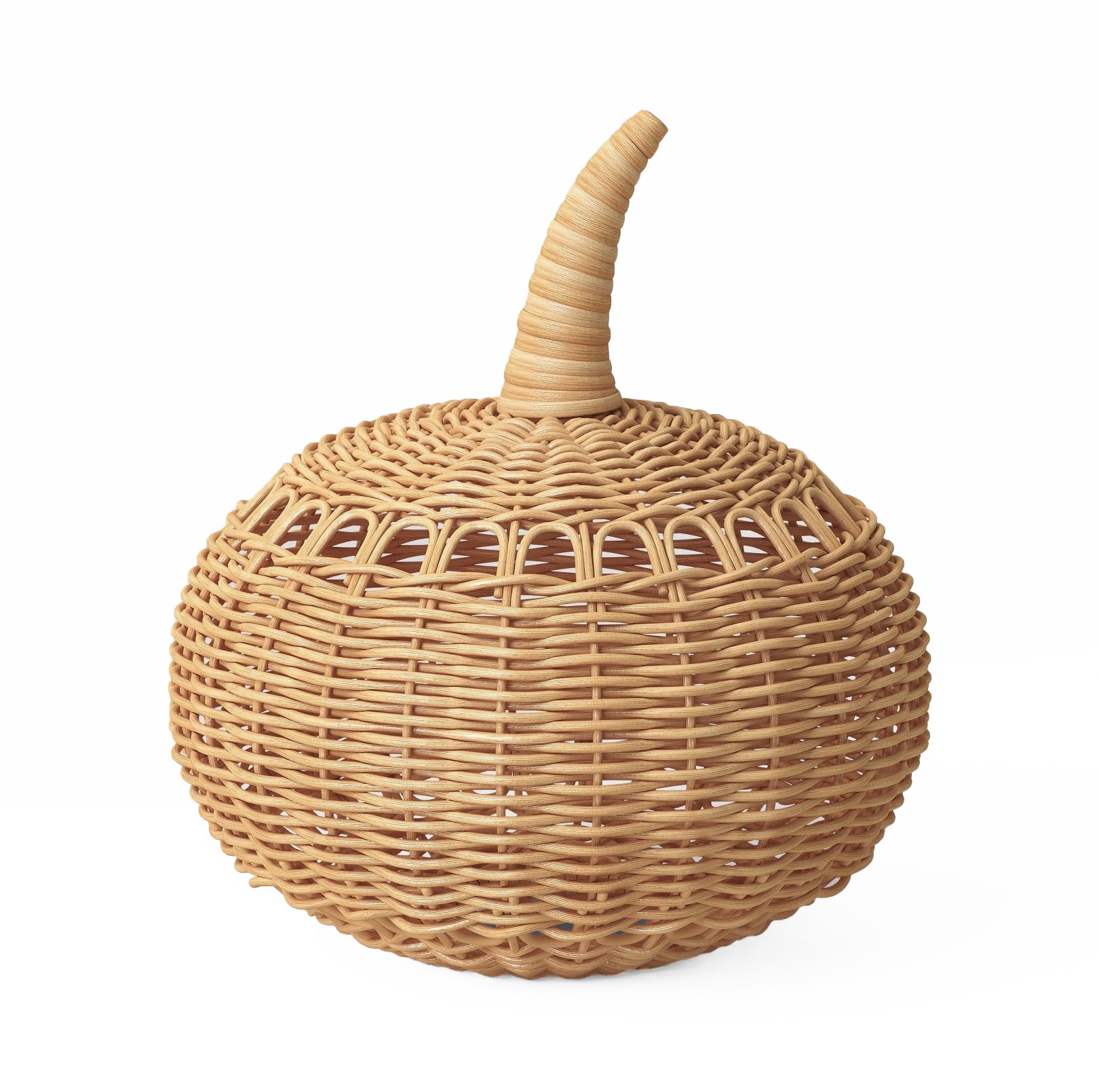
Our absolute favorite low-effort, high-impact solution is The Bowl. All it involves is designating one beautiful bowl in your entryway or living space as your seasonal display area. Fill it with items that can be easily swapped out as the seasons change. For fall, think natural elements like pine cones, acorns, and small gourds in your preferred colors.
This approach requires minimal storage space (just one small box for your seasonal fillers), takes minutes to set up or change out, and gives you that seasonal touch without overwhelming your space or budget.
Making It Work for You
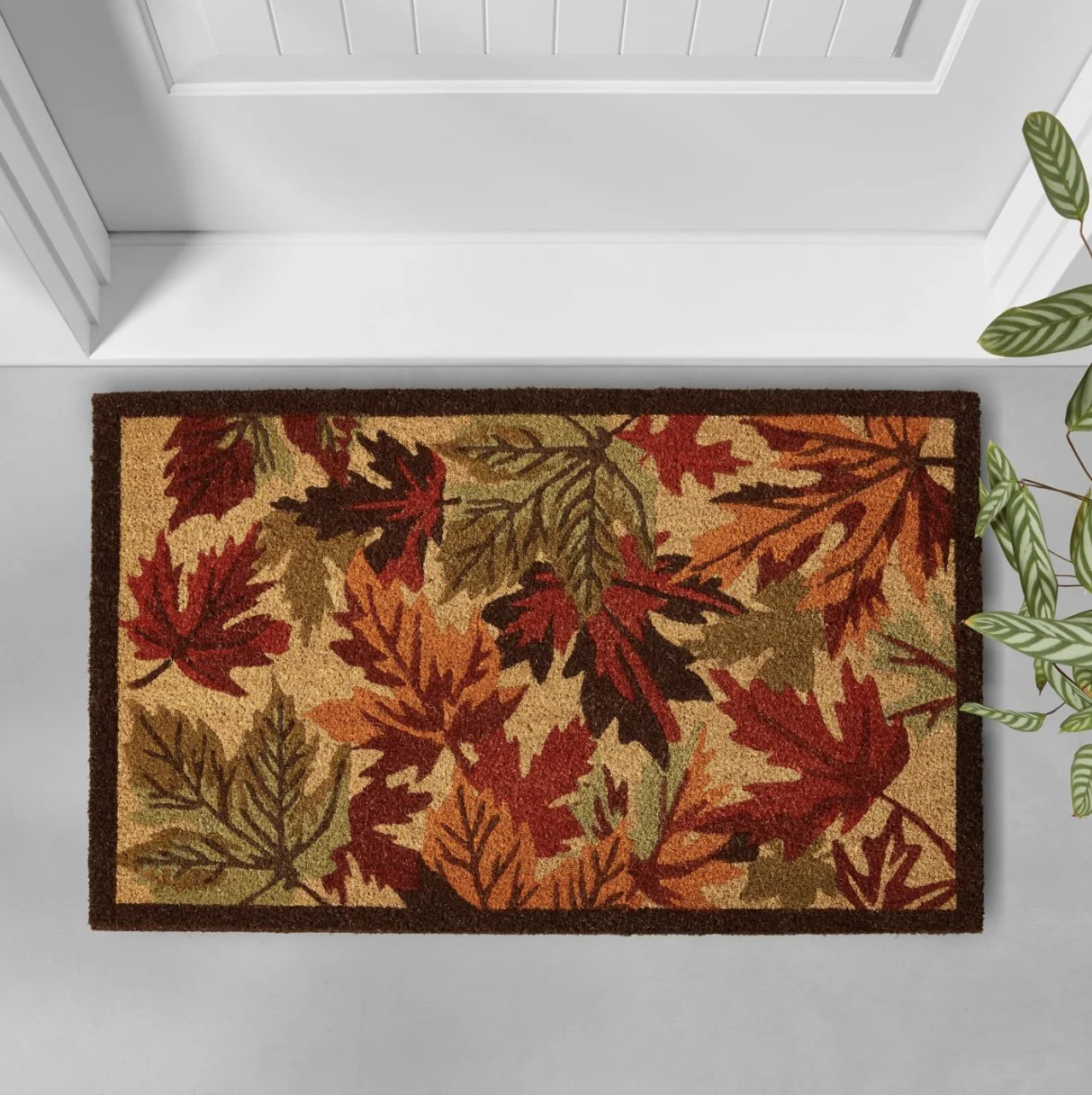
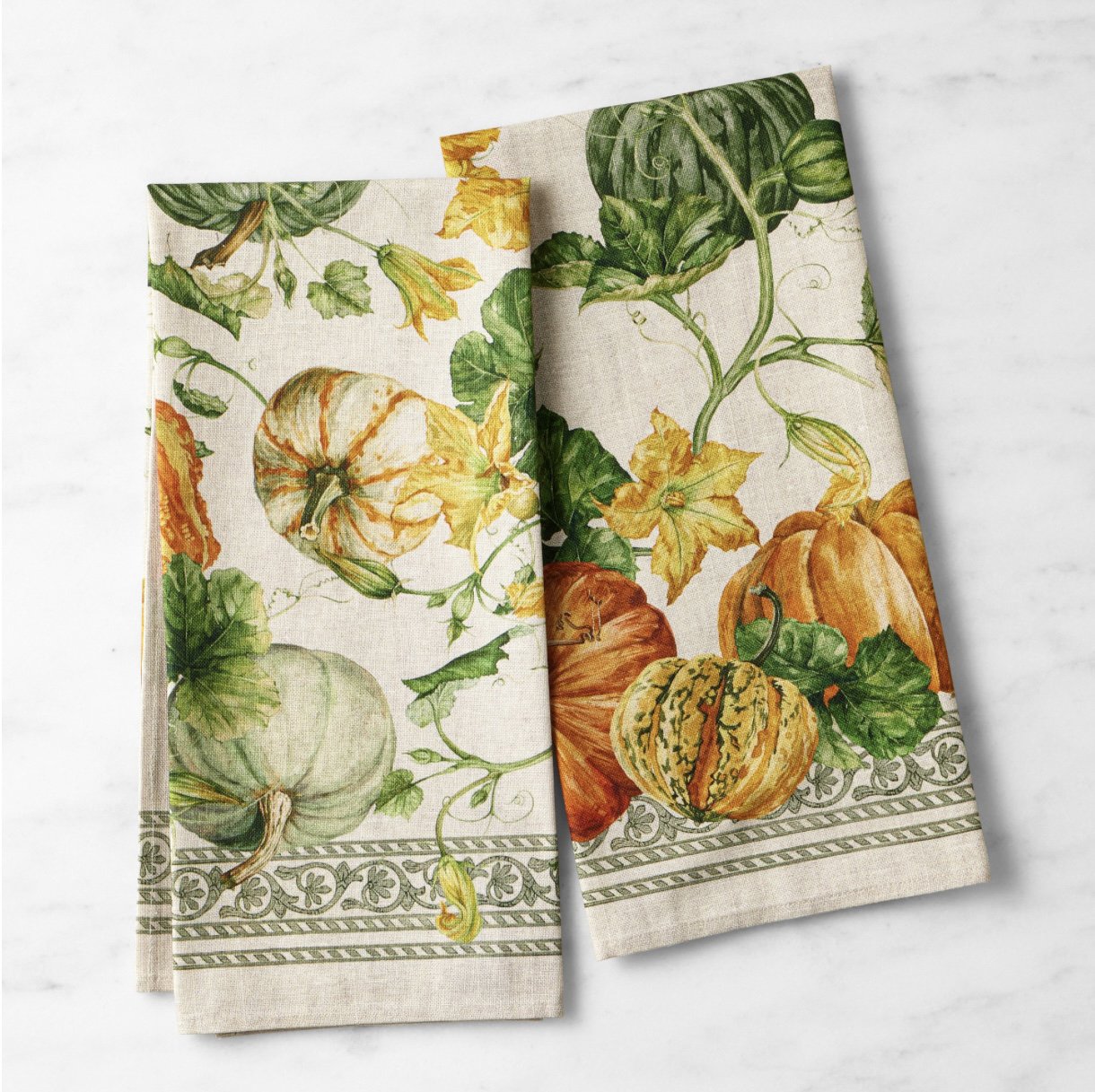
The amount of fall decor that makes sense for your home really depends on your lifestyle. If you have kids who get excited about seasonal changes, or if you're planning to host Thanksgiving dinner, you might want to lean into more festive touches. But if you're someone who prefers a more minimal approach, a few carefully chosen pieces will do the job beautifully.
The Bottom Line
Seasonal decorating shouldn't be stressful. By considering your specific time, budget, and storage limitations, you can create a space that feels seasonally appropriate without the overwhelm. Happy happy fall!