DESIGN
Story by Virginia Beshears
Welcome back! This is the second part in a two part series about planning your ideal dining space. Part 1 covered the first steps of planning your dining space, which involved thinking about how the space where you eat can fit or enhance your existing routines. If you haven't read Part 1 yet, I'd recommend starting there.
Now comes the fun part! It's time to use design to finish creating a dining space you'll enjoy.
The aesthetic choices you make should support and enhance the functional plan you created in Part 1. As you thought through your space and lifestyle in part 1, you hopefully came to some conclusions about what the tone of your dining space should be (ie casual vs formal, cozy vs elegant). Having that framework will make the design planning stage so much easier.
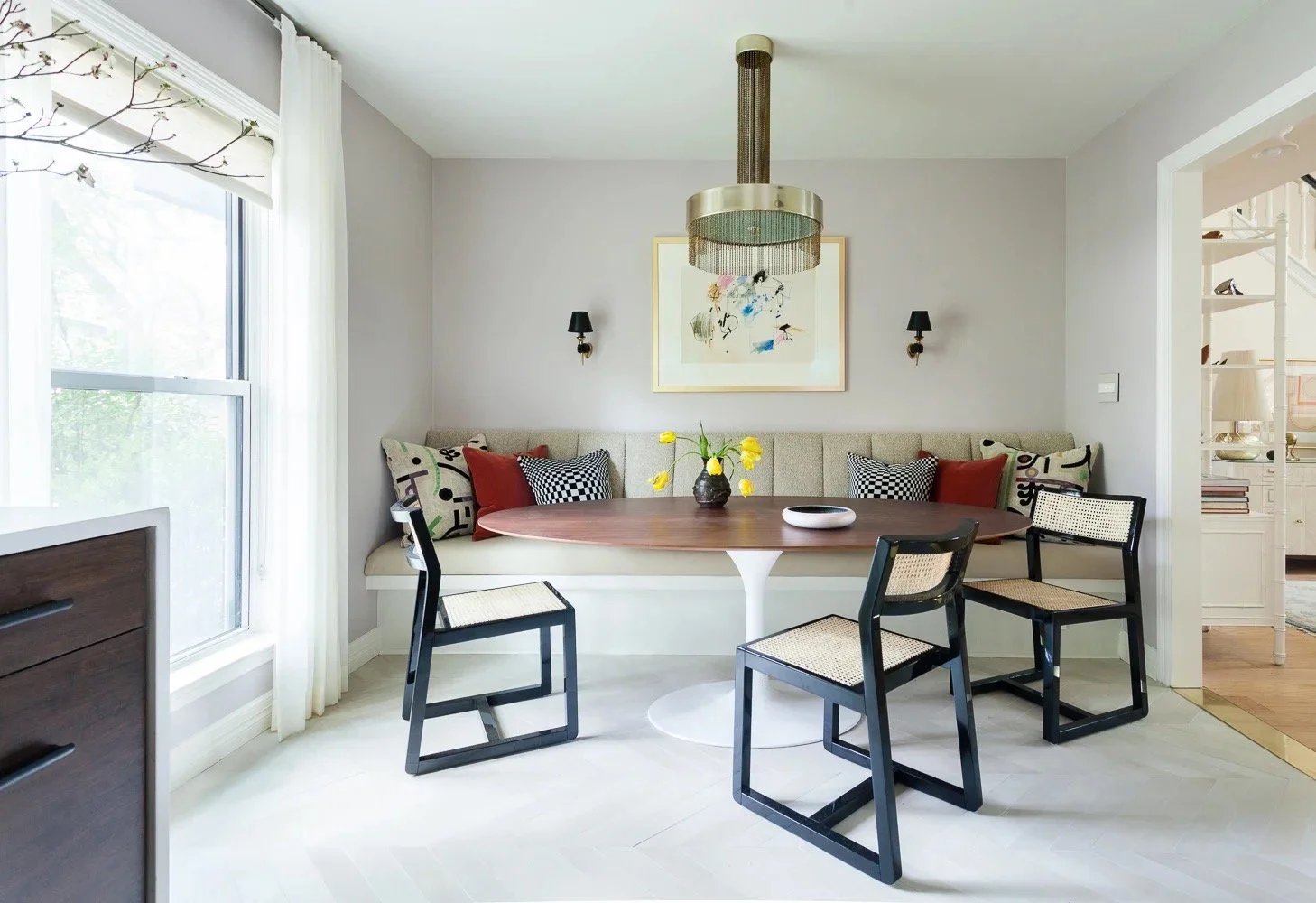
via ErinWilliamson
The Core Elements
No. 1: Lighting
The lighting in a dining space is arguably just as important as the table and chairs. The fixtures themselves as well as the literal light they emit are integral to setting the mood.
If you’re going to include an overhead light fixture, the size of the light fixture should be anywhere between half and two thirds of the width of your dining table. That’s why in a formal dining room with a large table you’ll usually see a sculptural statement piece, and smaller tables usually are paired with a simple pendant light.
For casual, multi-use spaces, a pendant light (or lights) on a dimmer switch is great for flexibility.
Also, as with any room, it’s always a good idea to layer your lighting and not rely on just one overhead fixture. In a dining space, you can add wall sconces for ambient lighting and visual interest, and/or buffet or sideboard lamps for a softer, more intimate feel.
Ultimately, make sure your lighting illuminates the table well enough to see your food and read the wine label, but not so bright that it stops feeling relaxed and comfortable.
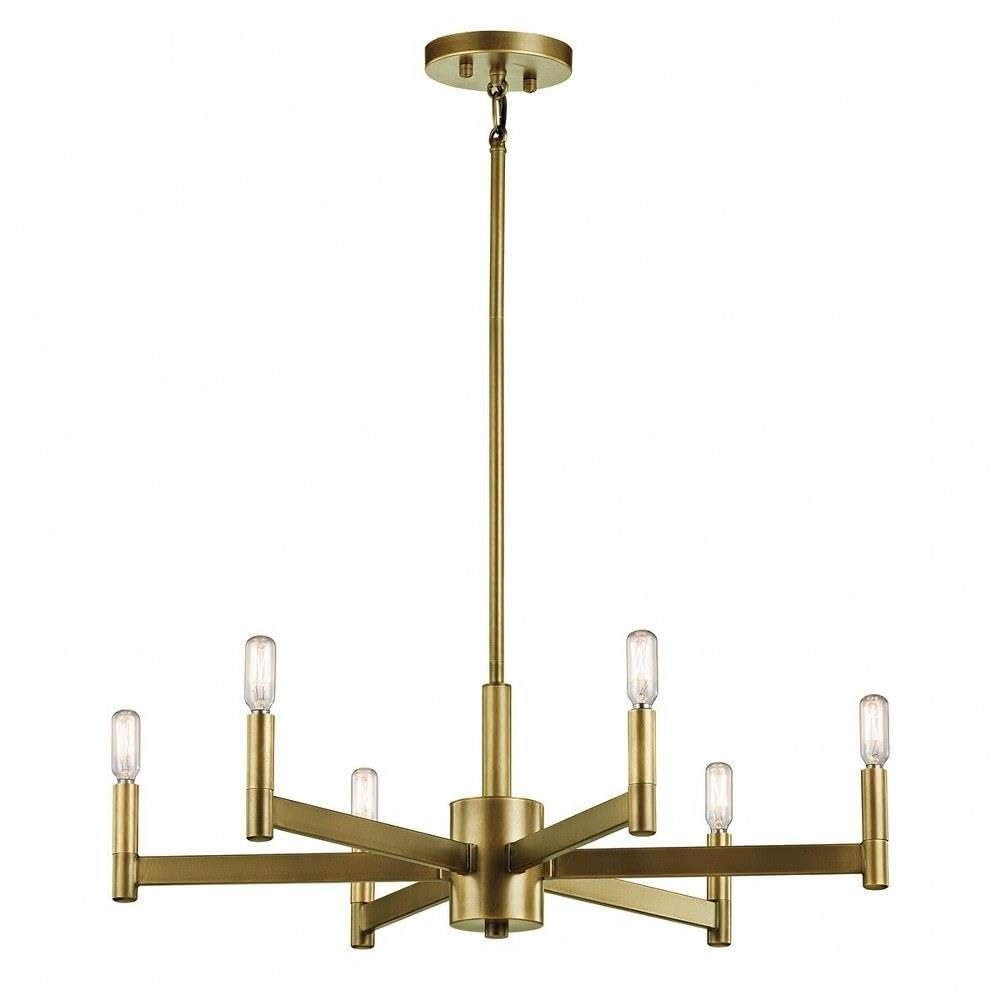
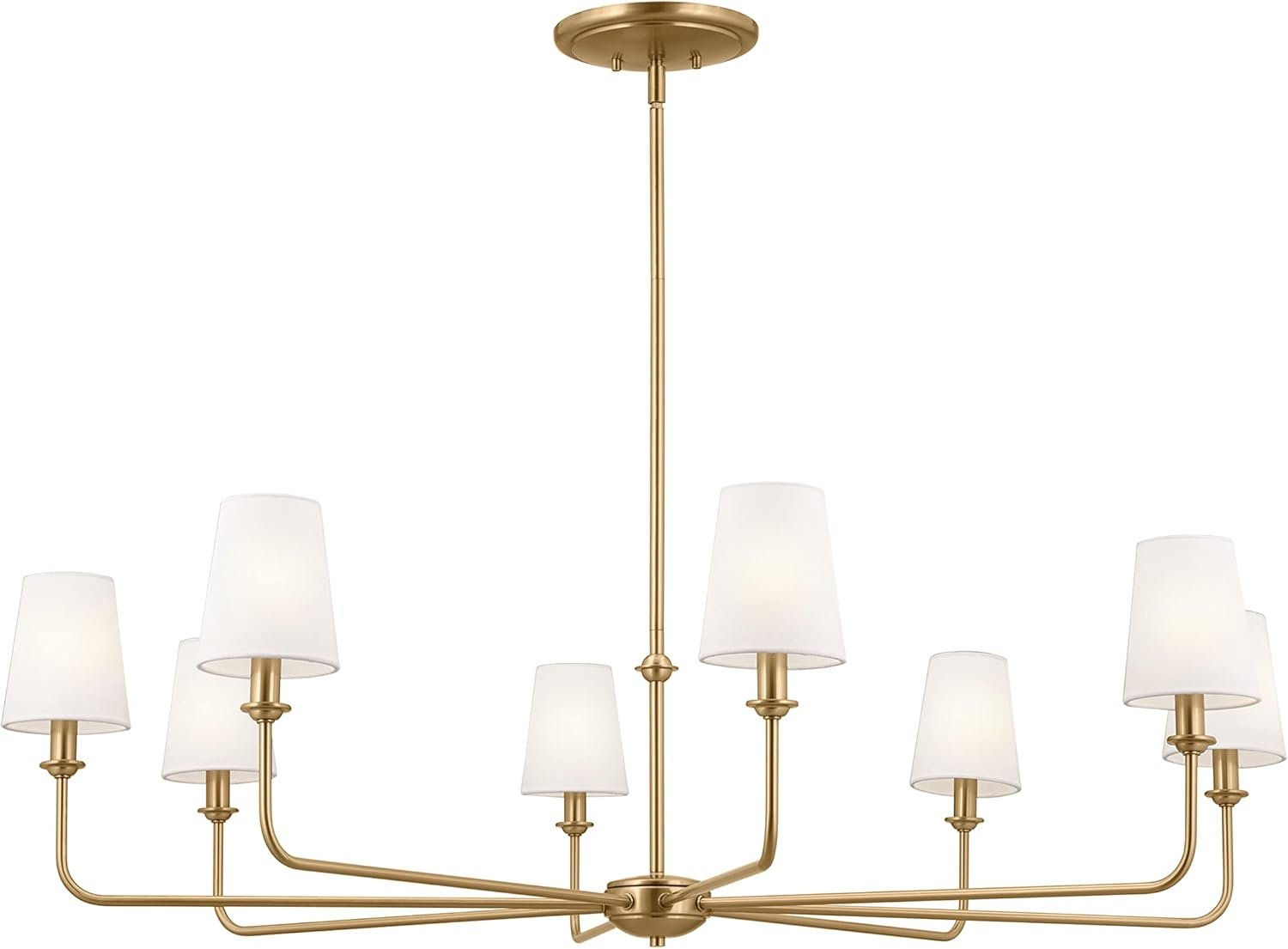
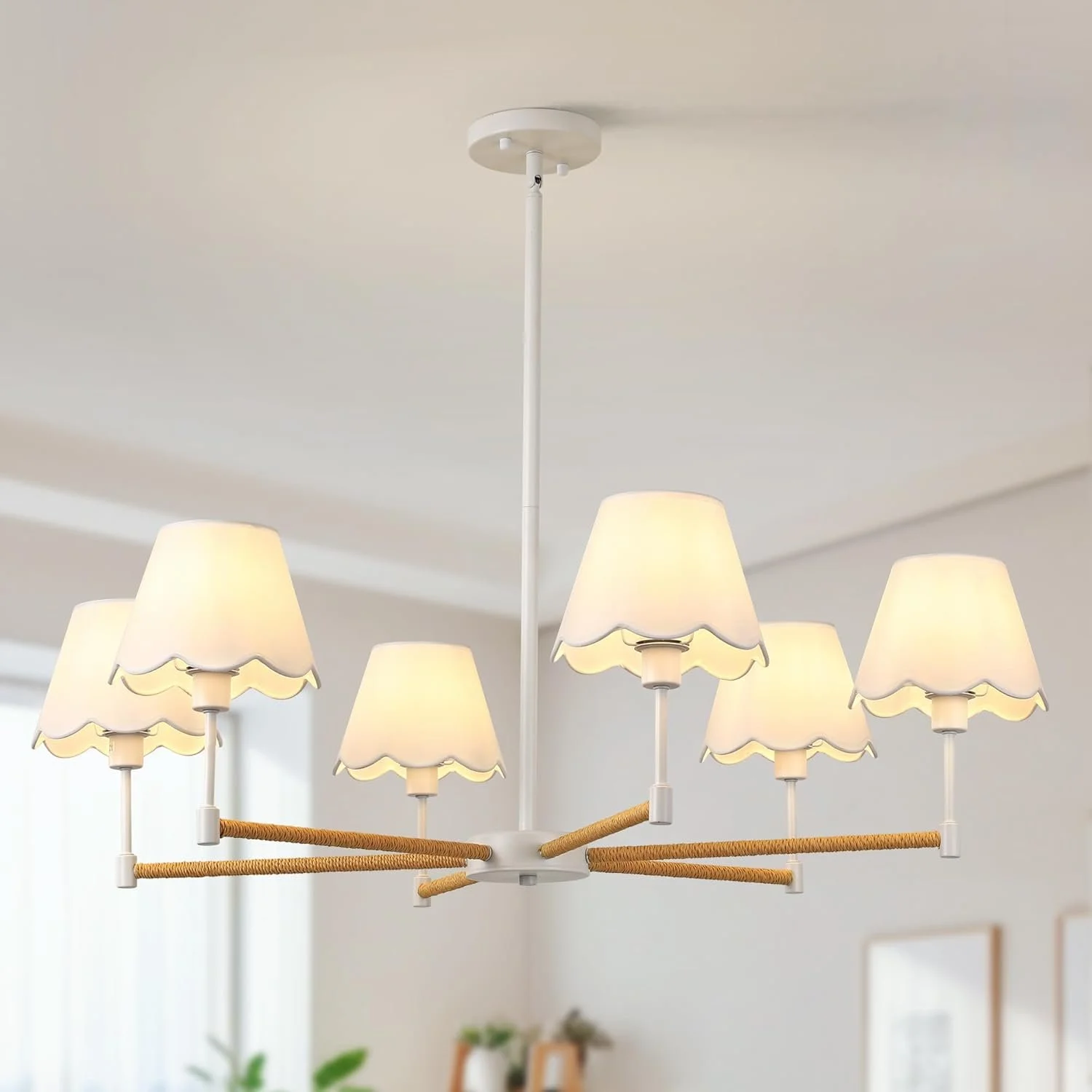
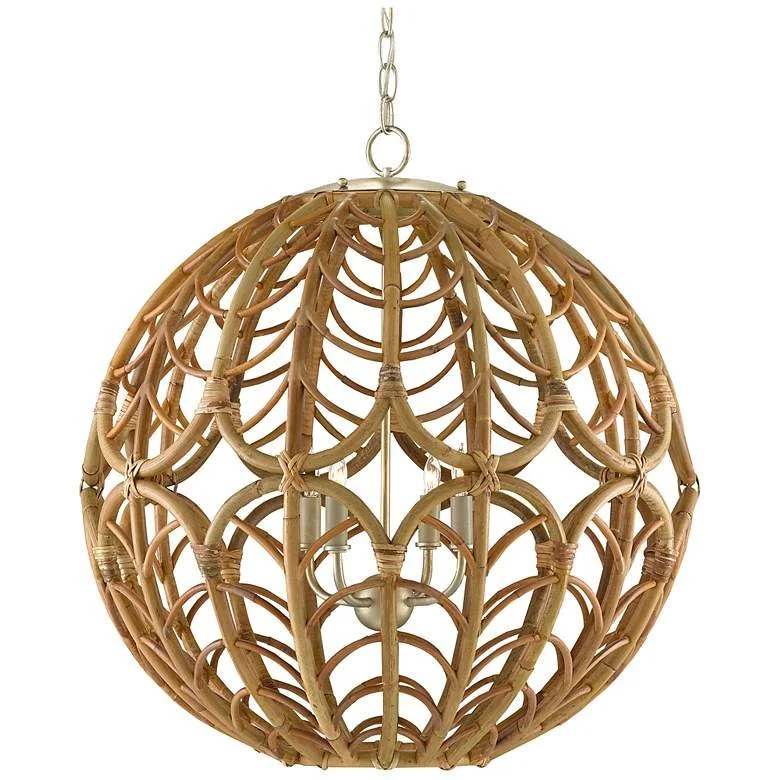
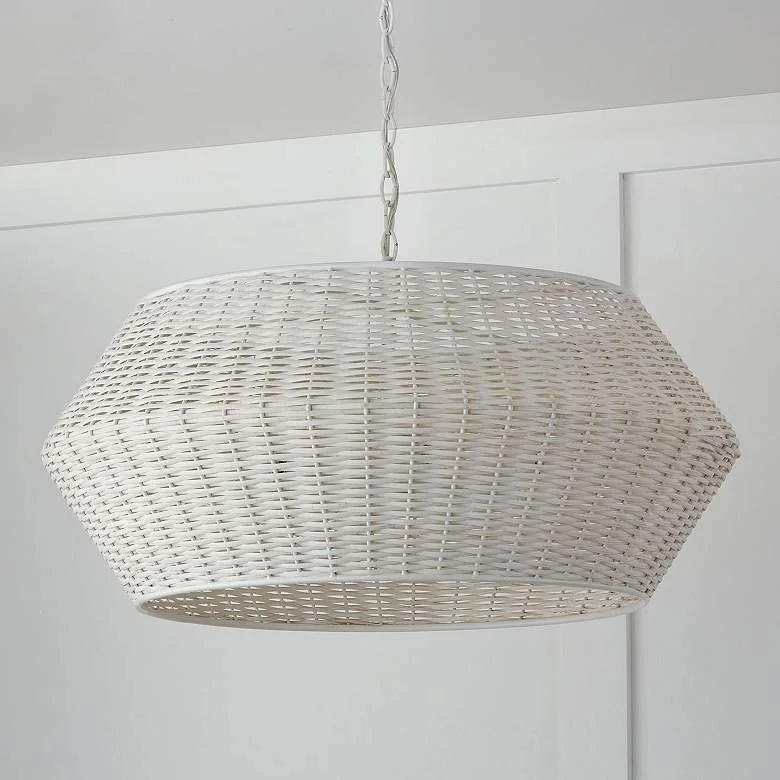
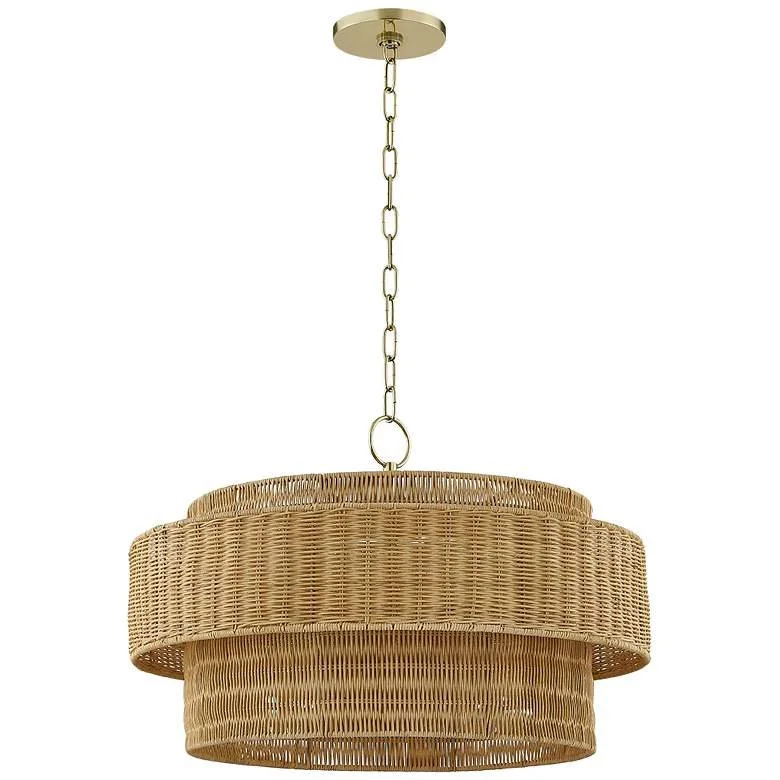
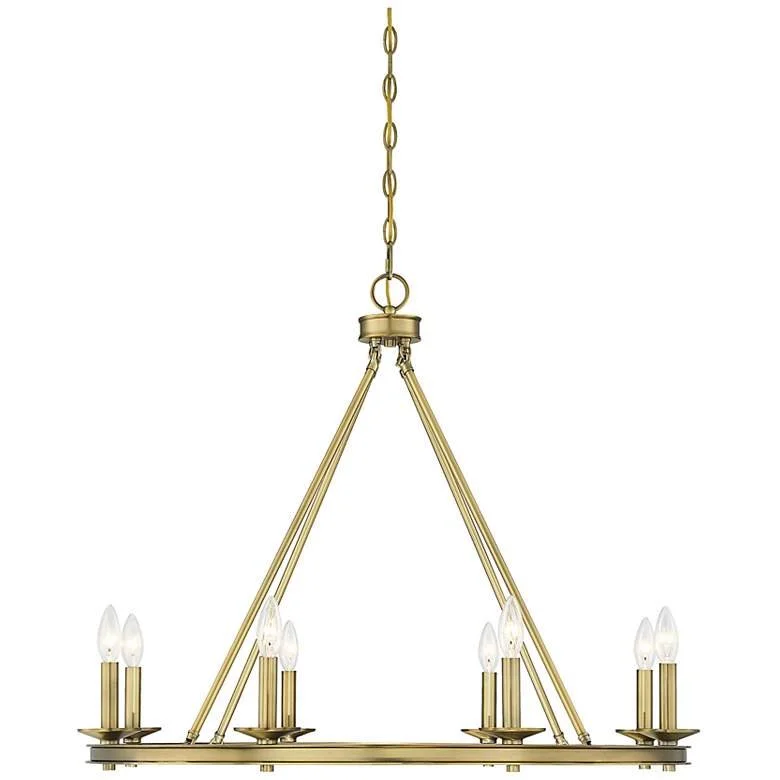
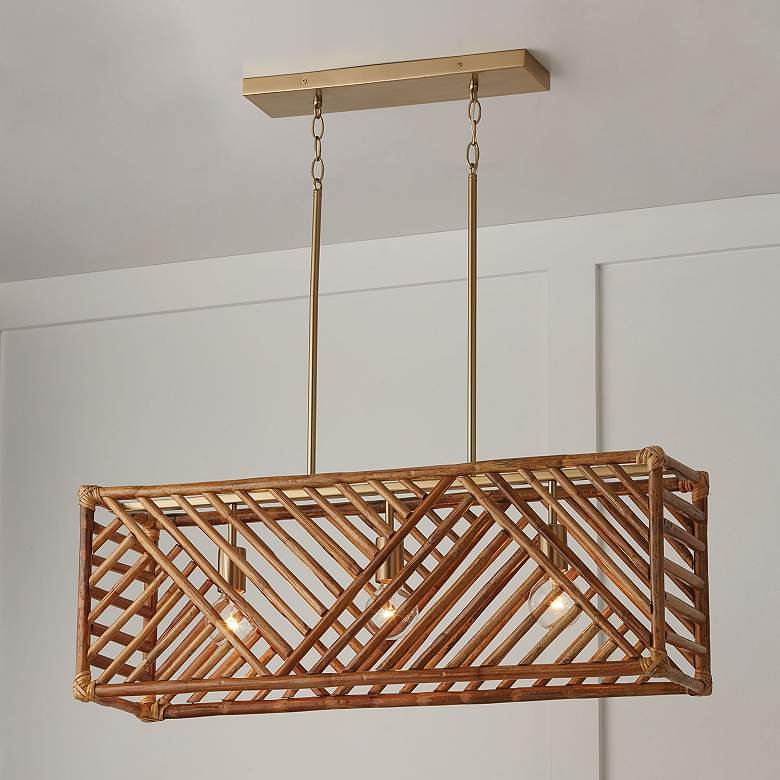
via Haneen’s Haven
No. 2: the table
Your dining table is the literal and visual center of the space.
If you’re on the hunt for a table, think back to your conclusions from part 1:
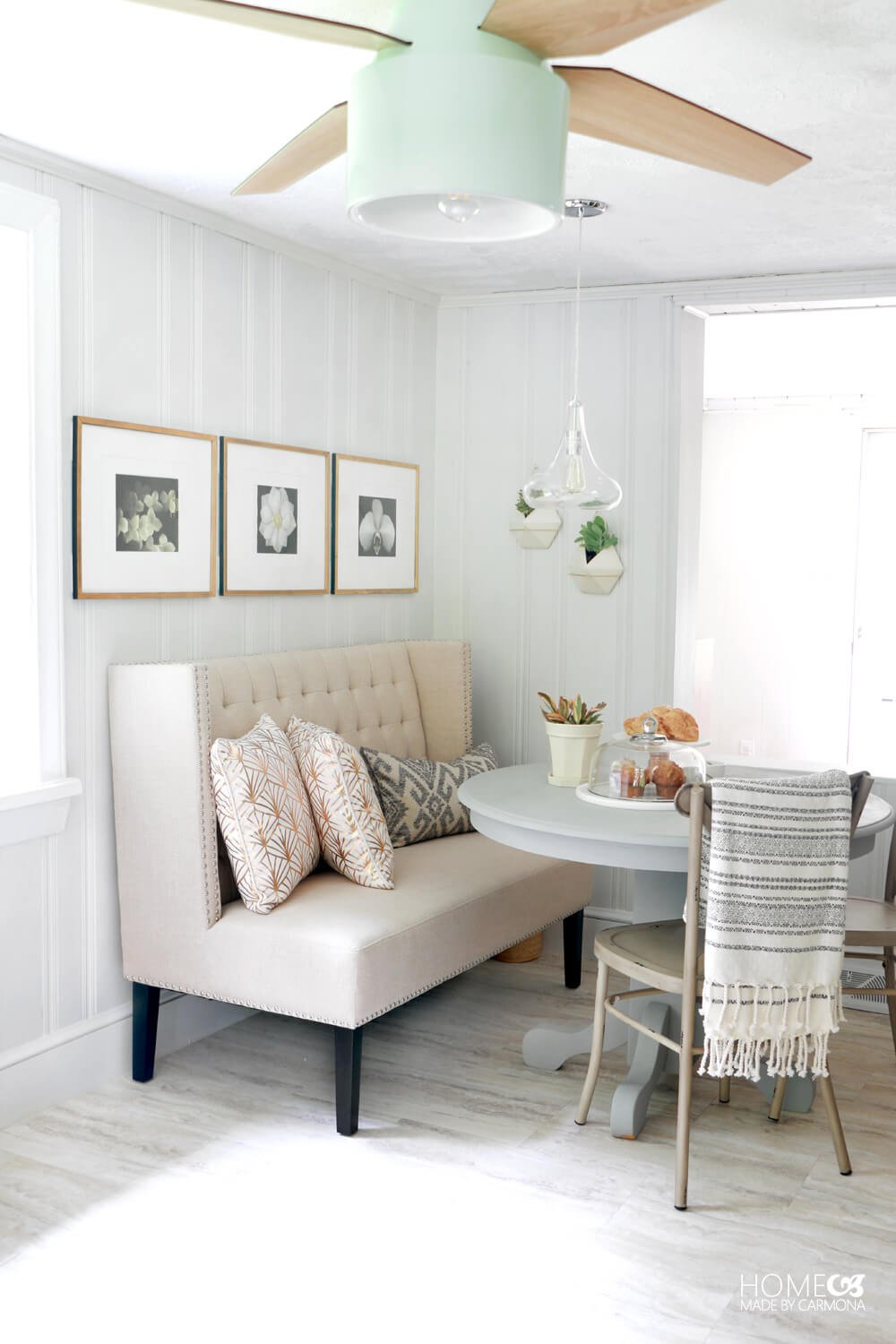
Round tables are great for conversation, work well in smaller spaces, seat fewer people but feel more intimate
Rectangular tables are classic, versatile, work in most spaces, easiest to extend
Square tables are modern, democratic seating (no "head of table"), best for square rooms
Oval tables have the conversation benefits of a round table with more seating capacity
And, regarding material:
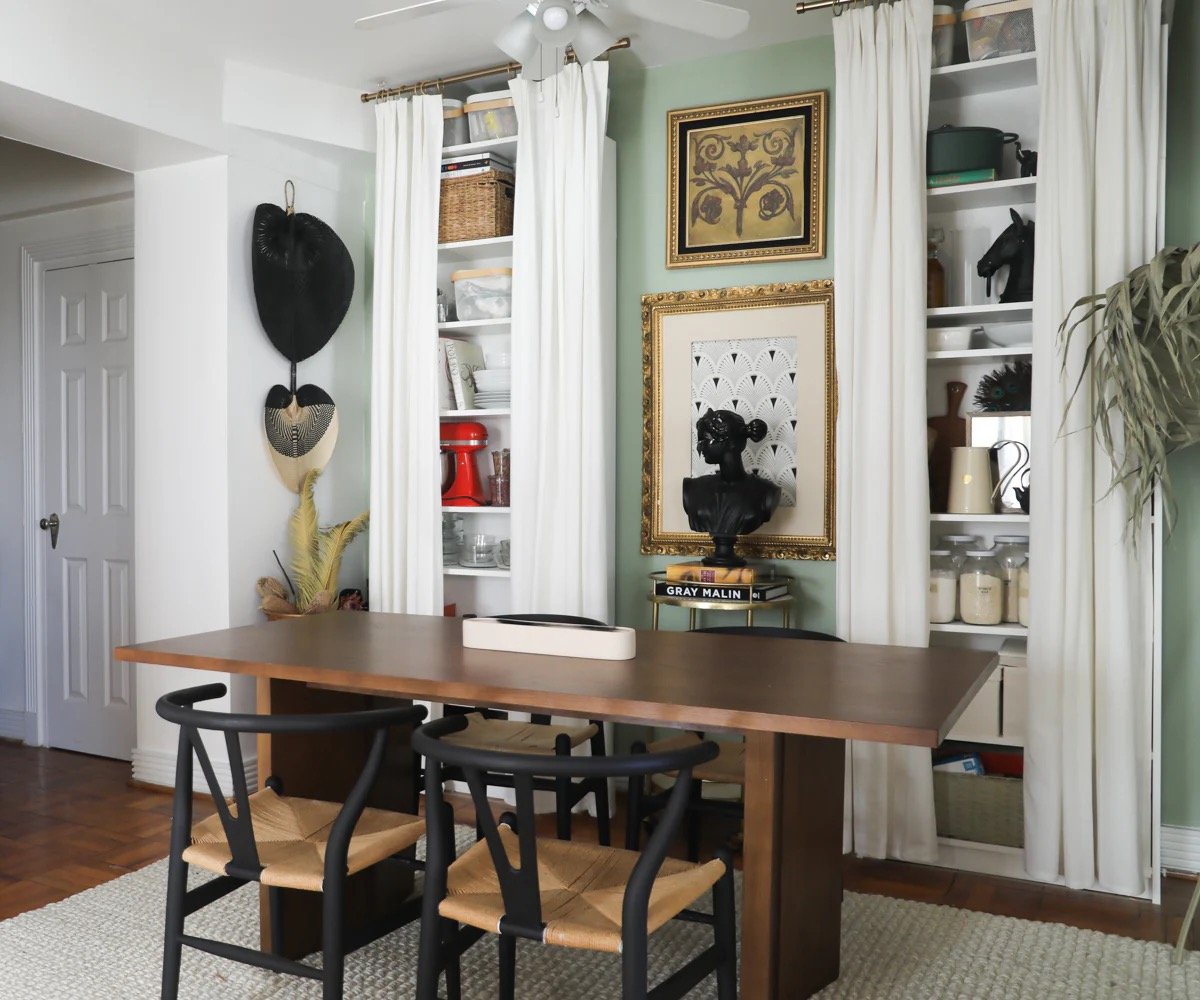
Wood is warm and classic. It will show wear though which can be charming or frustrating depending on the table
Glass is modern and makes small spaces feel larger, but shows every fingerprint
Painted or lacquered finishes are very easy to clean and hold up well
If you determined in Part 1 that you need occasional extra seating, an extendable table is your friend. Modern extendable tables have gotten much easier to deal with, just make sure you have somewhere to store the leaves.
via Maple and Mei
No. 3: seating
You figured out in Part 1 how many people you need to seat and how long they'll be sitting. Now you need to make those seats comfortable and good-looking.
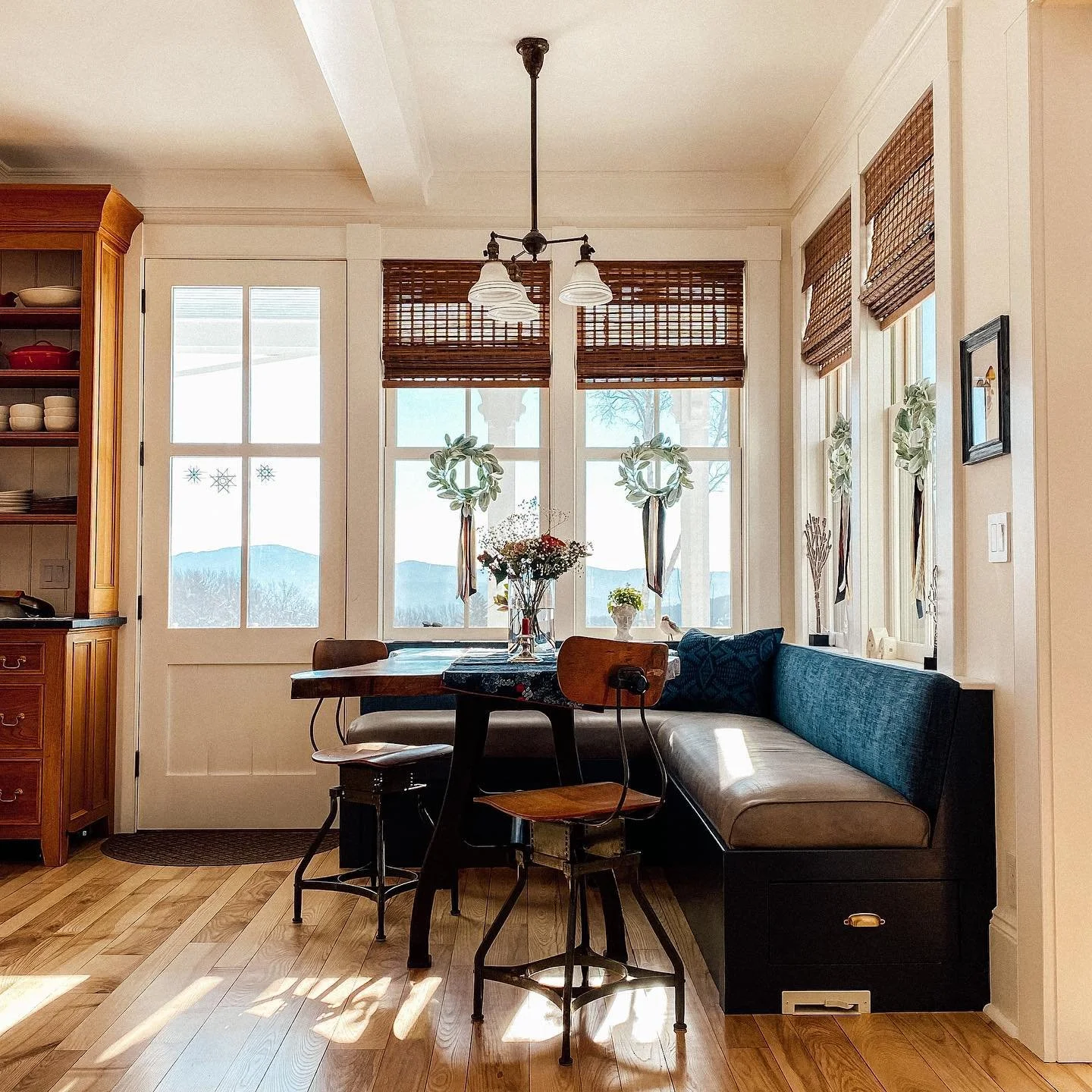
Besides chairs, other options include bench seating, which is space-efficient, casual, great for kids but less comfortable for lingering, and built-in banquettes, which creates a cozy nook feel and nets maximum seating in minimum space.
If you're the family that lingers over meals or uses the table for homework and projects, invest in comfortable seating:
Upholstered seats or backs
Appropriate seat height (18 inches from floor to seat is standard)
Armchairs at the head positions for extra comfort
via Jenn Osias
No. 4: color and pattern
The colors you choose for your dining space create the atmosphere for every meal.
Light wood tones and white/light neutrals make small spaces feel larger and create a fresh, clean feeling, show dirt more easily
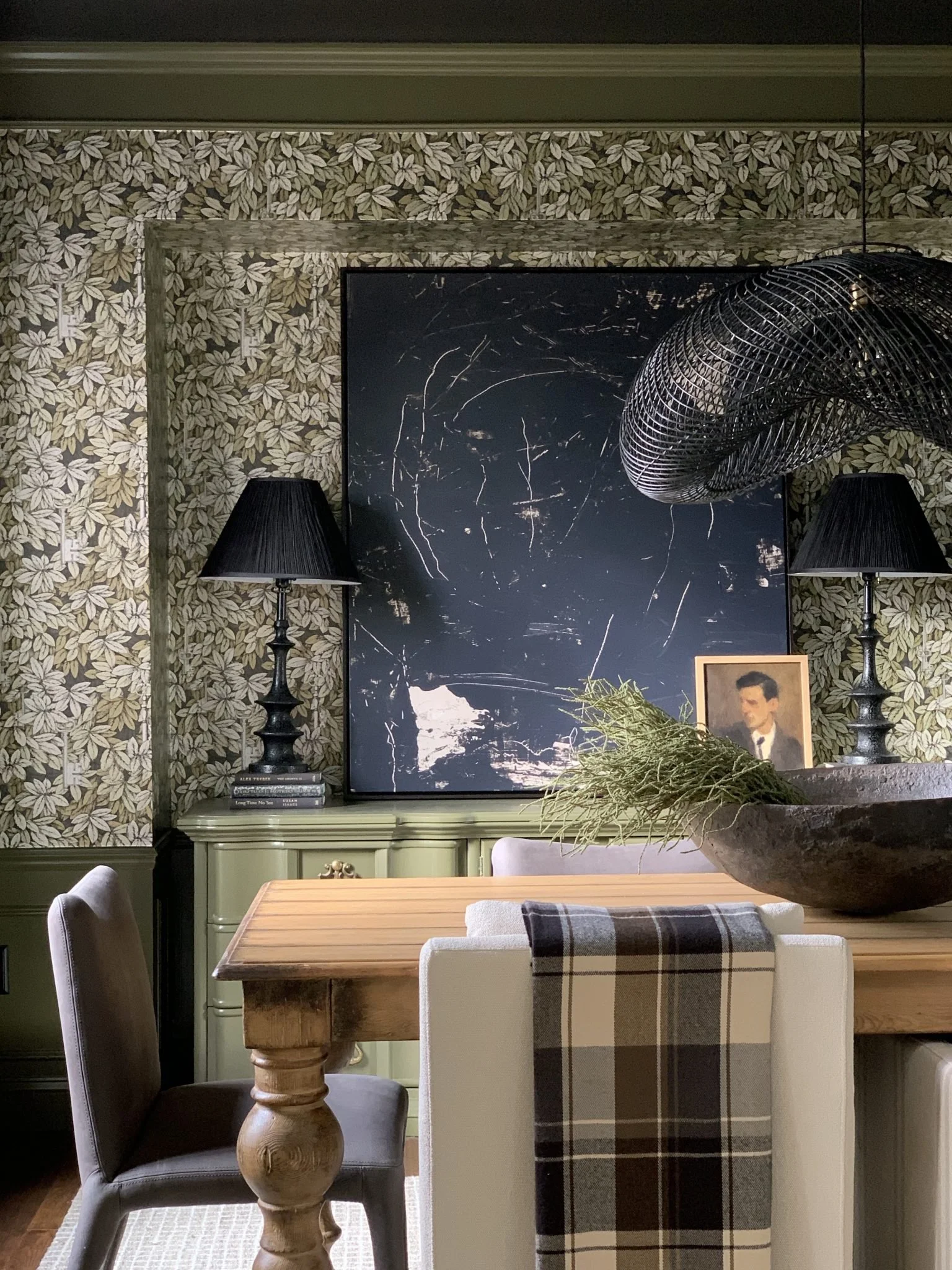
Dark colors create drama and intimacy, and make large spaces feel cozier.
No. 5: finishing touches
If you have hard floors, a rug under your dining table can look amazing and soften the acoustics of the room. A rug can also be helpful to define a dining zone in an open floor plan. However, a rug in a space where you eat is basically guaranteed to be spilled on at some point, so try to find one that’ll be easy to clean.
If you do opt for a rug, it should extend at least 24 inches beyond the table on all sides so chairs remain on the rug when pulled out.
Based on your functional needs from Part 1 (privacy, light control, formality level), choose treatments that support your lifestyle.
For formal dining rooms, floor-length curtains in luxe fabrics are of course always a great choice. Roman shades are also a classic choice and create a nice tailored look.
For casual eating spaces, café curtains can create privacy without blocking light and add a ton of charm.

via The Pink Pagoda
Putting it all together
The most successful dining spaces feel personal! If you love something and it fits your functional requirements, it's probably right for your space. Design "rules" are guidelines, not laws.
Your dining space should reflect both how you want to live and how you actually live. The most beautiful dining room in a magazine won't serve you well if it doesn't align with your real life.
Happy designing and happy dining! :)