How to Buy the Right Interior Paint
DESIGN
Story by Virginia Beshears
We've all been there, staring at a wall of paint cans at the hardware store. Oil, latex, primer, satin, eggshell… it gets tempting to just grab the closest can and hope for the best.
Or, maybe you're the type who researches before you even go to the store (good for you!). Either way, you're here because you want to get this right.
Luckily, you don't need to learn a bunch of technical terms. You just need to know which paint works for your project so you don't have to repaint your kitchen cabinets in six months. Let's figure out paint together, shall we?
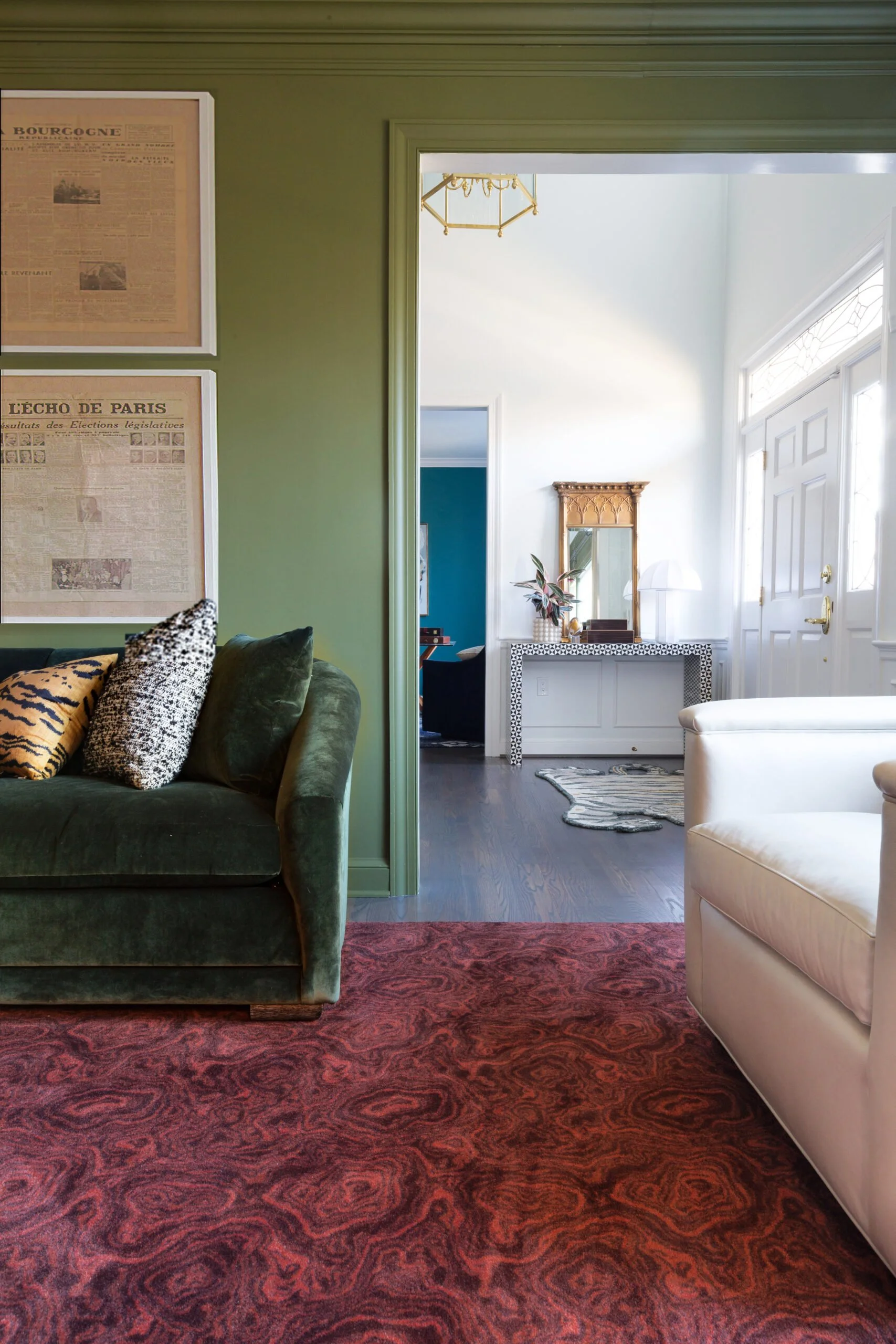
via Jeweled Interiors - flat finish walls, satin finish trim
First Things First: What Exactly IS Emulsion?
If you've ever wondered why some paint cans say "latex" and others say "emulsion," you're not alone. Here's the simple truth: emulsion paint is essentially the same thing as latex paint—it's water-based paint that uses synthetic resins as binders. The term "emulsion" just emphasizes the water-based nature and the mixing process used to create it.
Think of it like this: all emulsion paints are latex paints, but when we say "emulsion," we're specifically talking about that smooth, water-based formula that's become the go-to choice for interior walls and ceilings. No need to overthink it—if you see either term, you're looking at the same type of paint.
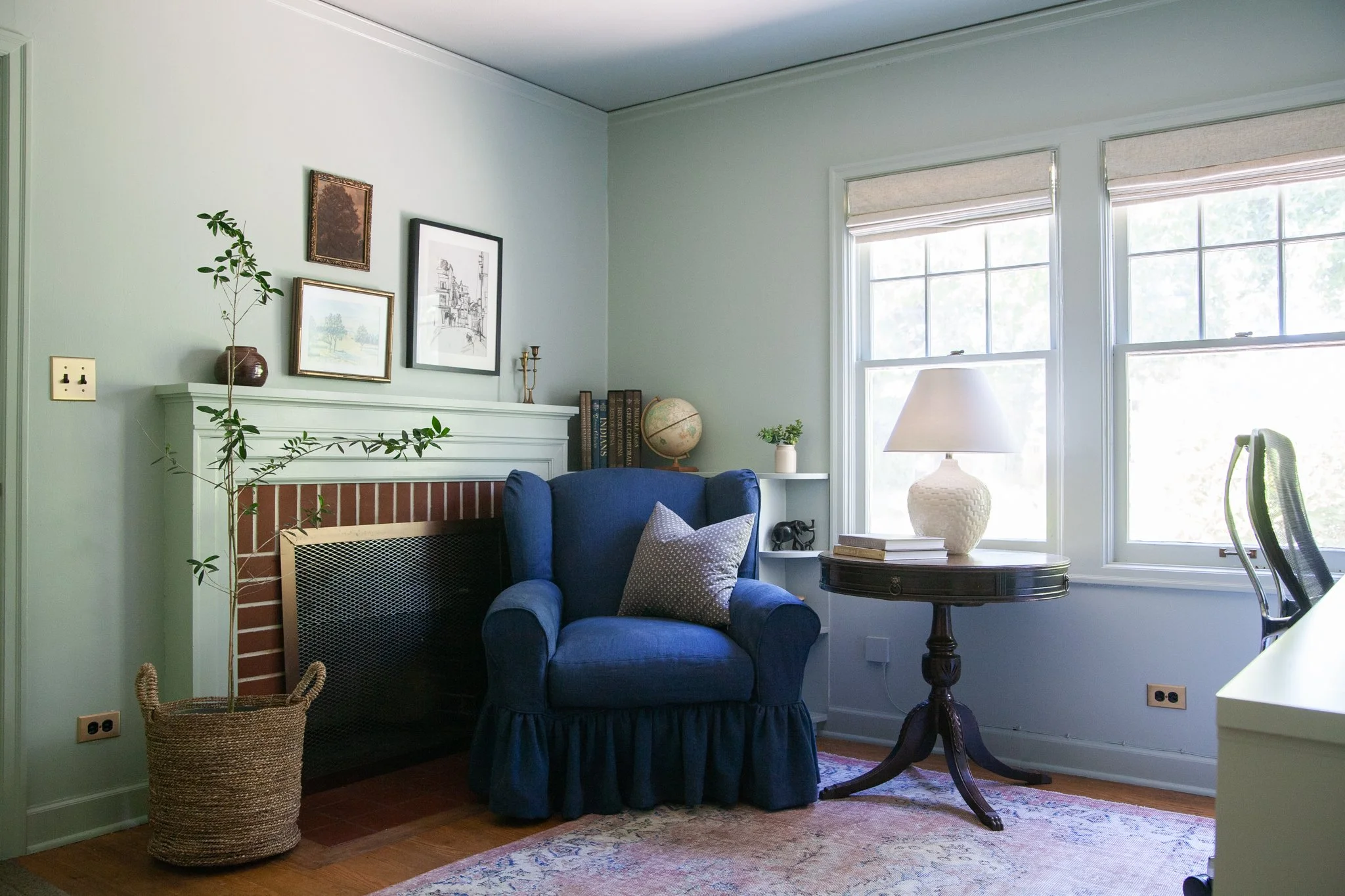
via Create / Enjoy - satin walls and ceiling, semi-gloss trim
The Two Main Paint Categories You Need to Know
Water-Based Paints: This is your workhorse paint—the one you'll use for about 90% of your interior projects.
Perfect for: Interior walls, ceilings, and most DIY projects Why we love them: They dry quickly (usually within hours), have minimal odor, clean up with soap and water, and are much more forgiving for beginners. Plus, they're flexible, which means they're less likely to crack as your house naturally settles and shifts.
Downsides: They're not as durable as oil-based options for high-traffic areas like trim and doors, though modern formulations have gotten significantly better.
Water-based paint labels might say “latex” or “emulsion,” or something like "acrylic latex," or "100% acrylic." They’re all water based but with different resin compositions. Acrylic paint uses 100% acrylic resins as the binder, while latex paint can use various synthetic resins (including acrylic, but also vinyl or other polymers).
Latex paint = the broad category of water-based paints
Acrylic paint = a specific type of latex paint that uses only acrylic resins
100% acrylic paints are generally higher quality—they're more durable, fade-resistant, and flexible. They're worth the extra cost for exterior projects or high-traffic interior areas. Acrylic-vinyl blends (still labeled as "latex") are more budget-friendly and work fine for most interior walls.
For most interior projects, any quality water-based paint will work well. If you're painting exterior surfaces, trim, or areas that get heavy use, look specifically for "100% acrylic" on the label for better long-term performance.
—
Oil-Based Paints: These are the heavy-duty performers of the paint world. Oil-based paints create an incredibly hard, durable finish that can withstand serious wear and tear.
Perfect for: Trim, doors, cabinets, and any surface that gets a lot of handling Why they work: They level out beautifully for a smooth finish and provide superior protection against dings and scratches.
Downsides: They take forever to dry (we're talking 6-8 hours between coats), smell strong, require mineral spirits for cleanup, and are becoming harder to find due to environmental regulations. Many pros are switching to high-quality water-based alternatives.
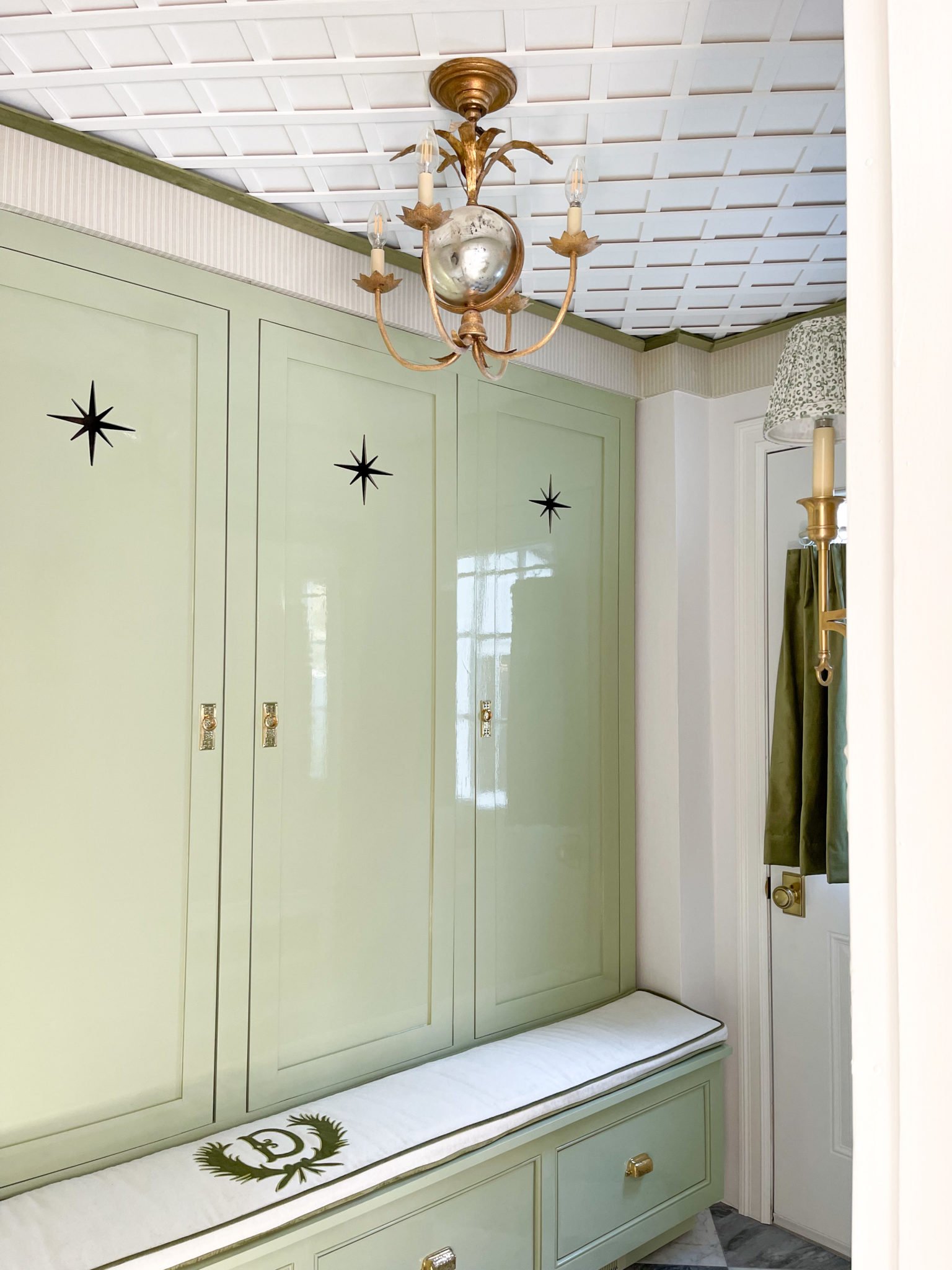
via The Southern Gail - high gloss finish
Understanding Paint Finishes
The finish you choose can make or break your project. Here's what each one brings to the table:
Flat/Matte is best for: ceilings and low-traffic walls with imperfections to hide The scoop: Hides flaws beautifully but shows every fingerprint and scuff mark
Eggshell is best for: living rooms, bedrooms, and dining rooms Why it works: Subtle sheen that's more durable than flat but still forgiving
Satin is best for: kitchens, bathrooms, hallways, and kids' rooms The advantage: Easy to clean while still looking elegant—the sweet spot for most homeowners
Semi-Gloss is best for: trim, doors, and cabinets Why choose it: Durable and wipeable, though it will highlight surface imperfections
Gloss is best for: high-impact areas that need maximum durability Fair warning: shows every flaw, so your prep work needs to be flawless
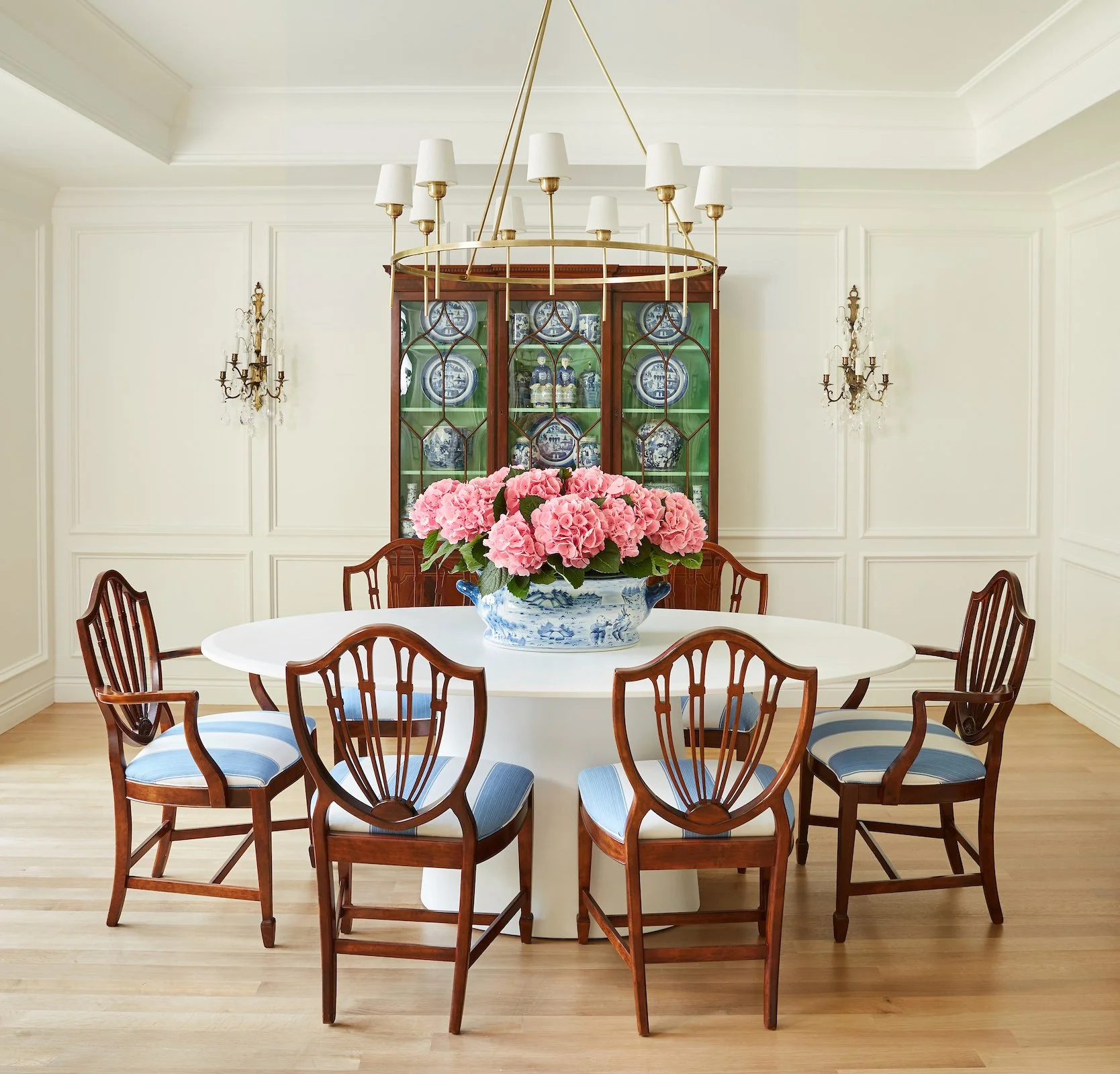
via The Pink Pagoda - modern emulsion finish (7% sheen)
Let's Talk Primers
There are three main types of primer: latex, oil-based, and shellac, and the right choice depends on your surface and paint color. Primer is the foundation of your paint job. Skip it, and you're setting yourself up for disappointment.
Latex Primer: water-based and ideal for prepping unfinished drywall, these primers are flexible, fast-drying, and less prone to peeling and cracking. Use them for most interior walls and when you're painting over existing latex paint.
Oil-Based Primer: the heavy lifter for challenging surfaces. Use when you're switching from oil to latex paint, covering dark colors, or dealing with stained surfaces.
Shellac Primer: the superhero of primers—it can block stains and even seal in odors, works with both oil and latex topcoats, and adheres to almost any surface. Reach for this when dealing with water stains, crayon marks, or that mysterious stain you can't identify.
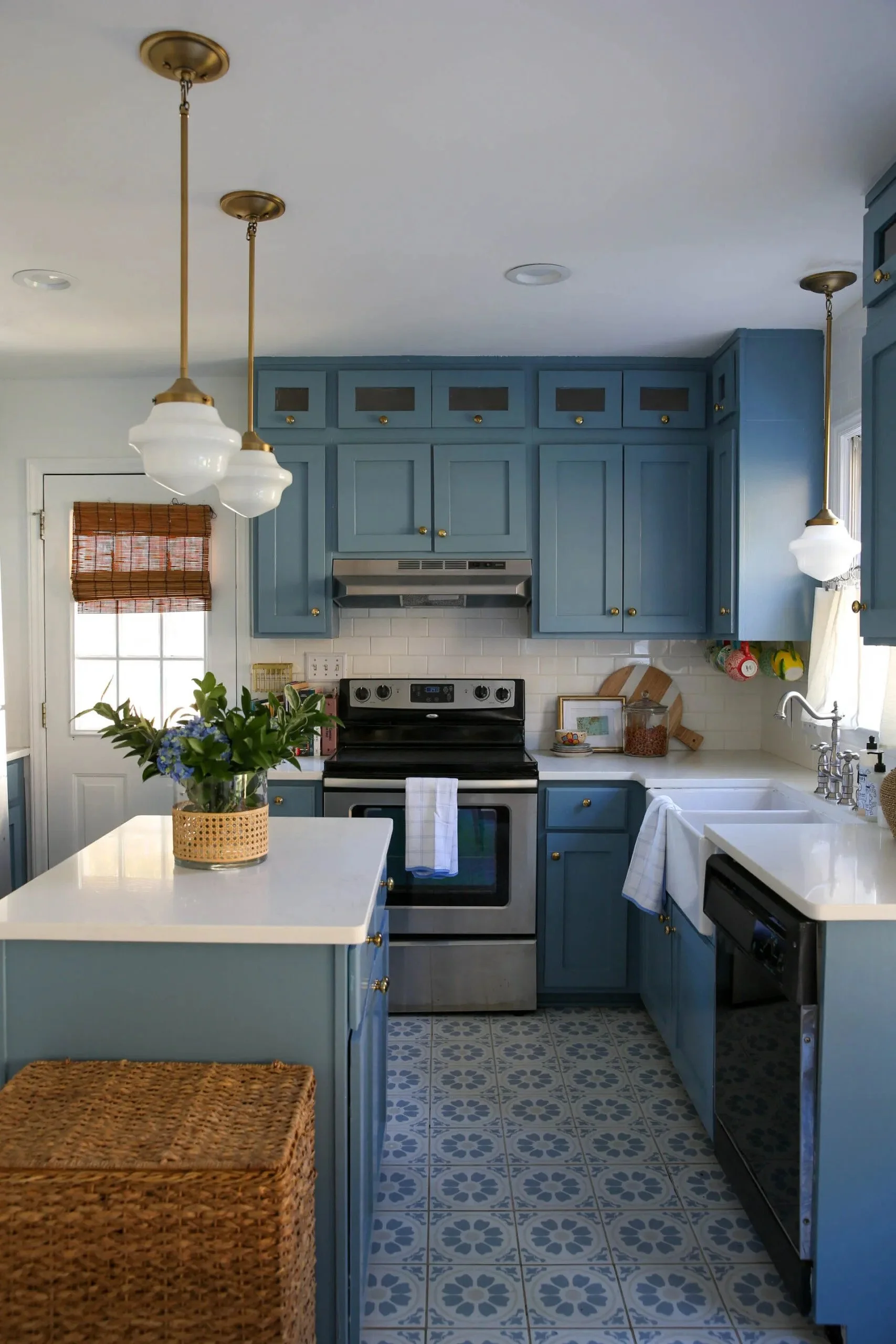
via Prepford Wife - semi-gloss cabinets, eggshell walls
Pro Tips to Save Your Sanity (and Your Wallet)
Know what you're painting over: If you're painting over existing paint, you absolutely need to know if it's oil or water-based. The easiest way to test is to dab a cotton ball with rubbing alcohol and rub it on an inconspicuous area. If the paint comes off on the cotton ball, it's latex. If nothing happens, it's oil-based. This matters because latex paint won't properly adhere to oil-based paint without the right primer, and you don't want to discover this after you've painted an entire room.
Buy all your paint at once: Colors can vary slightly between batches, so get everything you need in one shopping trip. Write down the batch number just in case you need to touch up later.
Don't skip the sample: Paint looks different in every room depending on lighting and surrounding colors. Test your color in multiple spots and live with it for a few days.
Plan your painting order: Ceiling first, then walls, then trim. This prevents you from accidentally dripping fresh paint onto your newly painted surfaces.
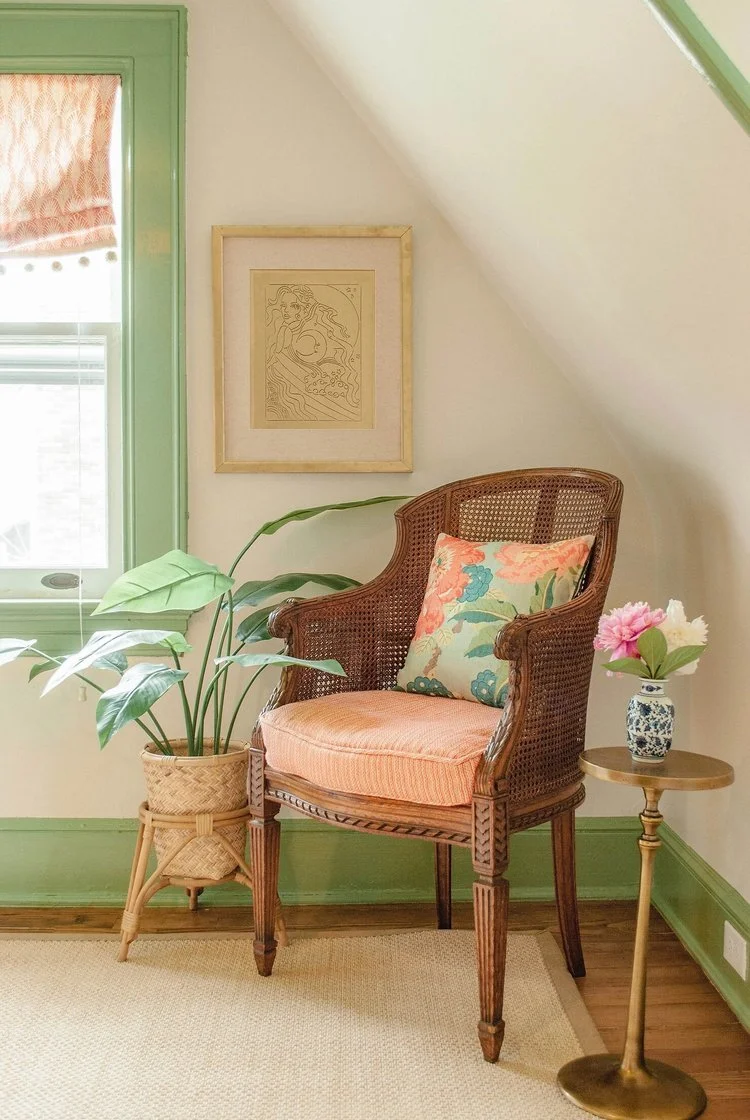
via Brielle Interiors - ultra flat walls & ceiling, high gloss trim
The Bottom Line
Choosing paint doesn't have to be overwhelming. For most interior projects, a high-quality latex paint in satin or eggshell finish will serve you beautifully. Add a good primer if you're covering dark colors or painting new surfaces, and you're set for success.
Remember, the "perfect" paint is the one that fits your specific project, budget, and lifestyle. Don't let anyone make you feel bad for choosing convenience over perfection—sometimes easy cleanup and quick drying times matter more than having the most durable finish known to humanity.
Now go forth and paint with confidence! Your walls (and your stress levels) will thank you.
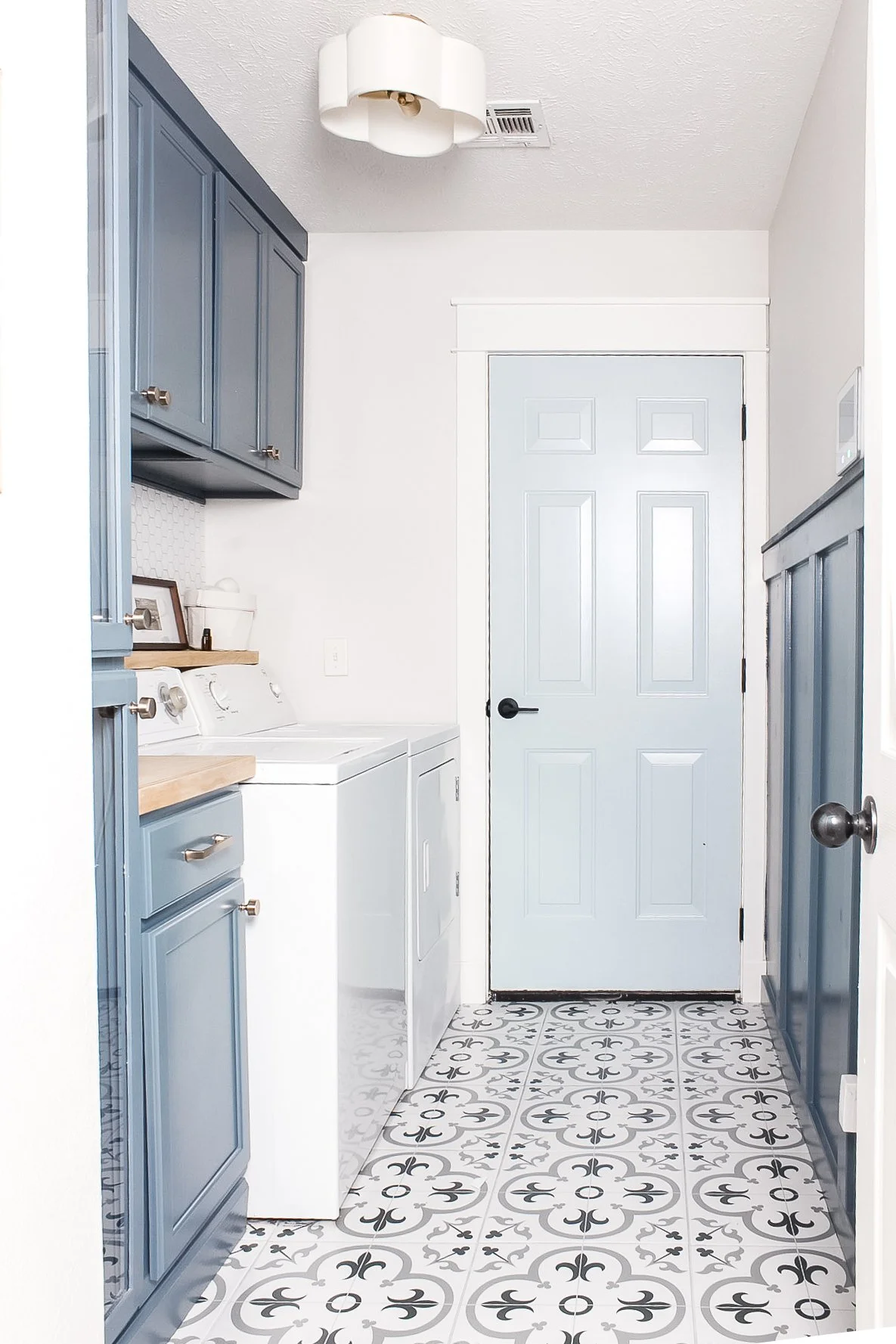
via With Love, Mercedes - satin finish cabinets, eggshell walls