How to Fight the Winter Blues With Science & Design
DESIGN

Story by Virginia Beshears
Last week, on the very first day after the time change, I could already feel myself getting sluggish and blah as the sun started setting at 5:30pm. This year, I'm deciding to be proactive and set myself up for success, and I've learned some genuinely interesting stuff that I'm sharing here. If you're dreading the next few months of short days and long nights, here are a few ways to adjust your environment that'll help you combat seasonal depression.
Why winter hits us so hard
If you've noticed your mood declining as the days get shorter, you're far from alone. The American Psychiatric Association found that close to 40% of Americans experience declining mood in winter. While full-blown Seasonal Affective Disorder (SAD) affects a smaller percentage, that feeling of being more tired, less motivated, and generally "off" during winter months is incredibly common.
Most of the natural world changes its behavior during the colder months through hibernation, migration, or torpor. It makes sense that we start to feel sluggish and fatigued every November. According to sleep researcher Dr. Alfred Lewy, "in the winter, with the shorter days, most people's circadian rhythms drift late with the later dawn, out of phase with their natural sleep-wake cycle. It's like having jet lag for five months."
Yeesh.

Light
Most research points to the winter blues being linked to the seasonal decrease in natural light, so the most commonly recommended first line of defense is letting as much natural light as possible into your space.
Start with the obvious and open up all your window treatments first thing in the morning. You can also take a look at your furniture arrangement. If your couch is blocking half a window, maybe you can shuffle things a bit. Even small adjustments can make a surprising difference in how much natural light reaches the areas where you spend the most time.
Mirrors and reflective decor pieces are also excellent for maximizing light. A well-placed mirror opposite or adjacent to a window will bounce light deeper into your room, effectively amplifying the natural light you do have. Metallic finishes, glass surfaces, and even glossy paint can help brighten darker corners.
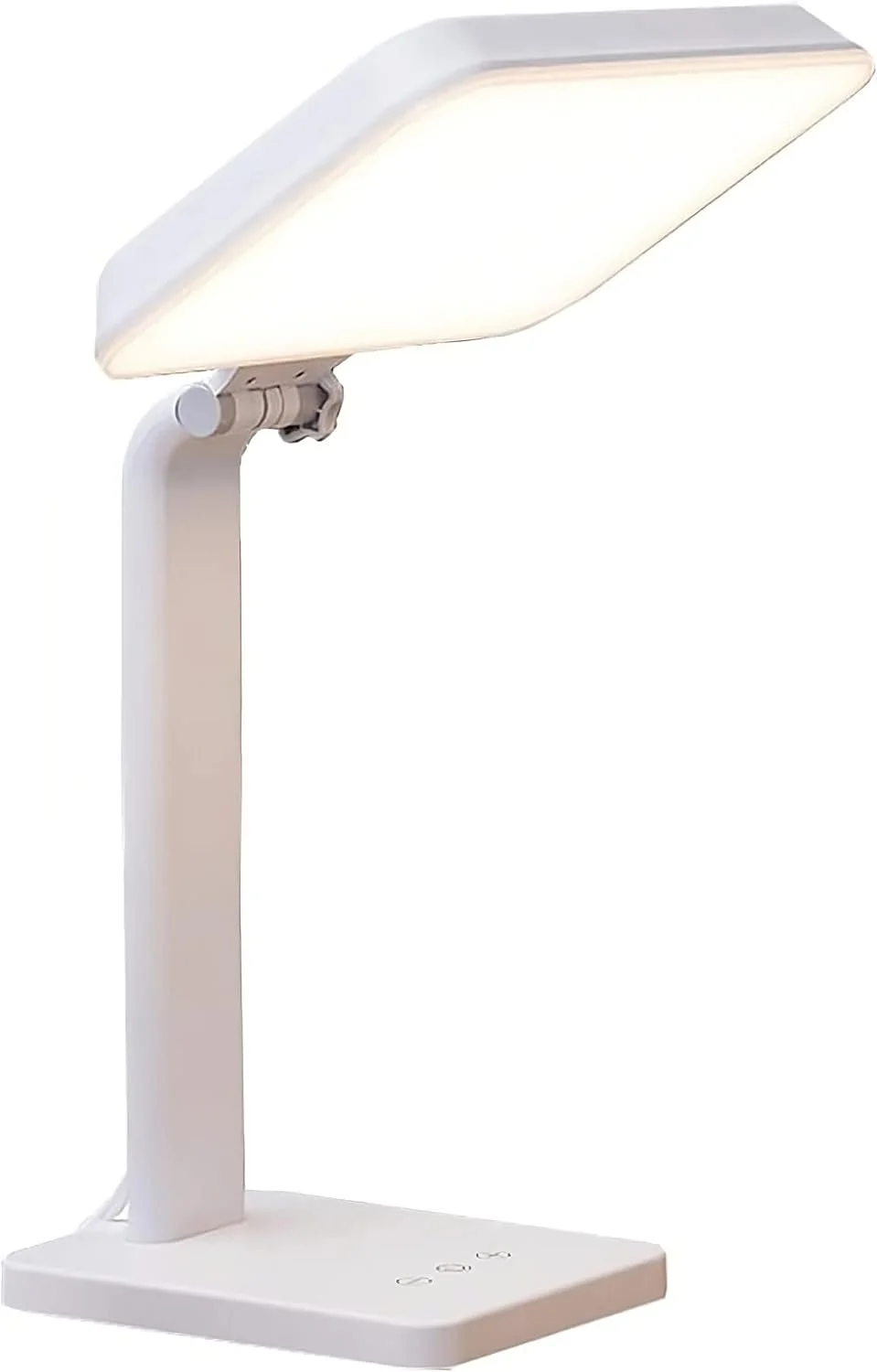
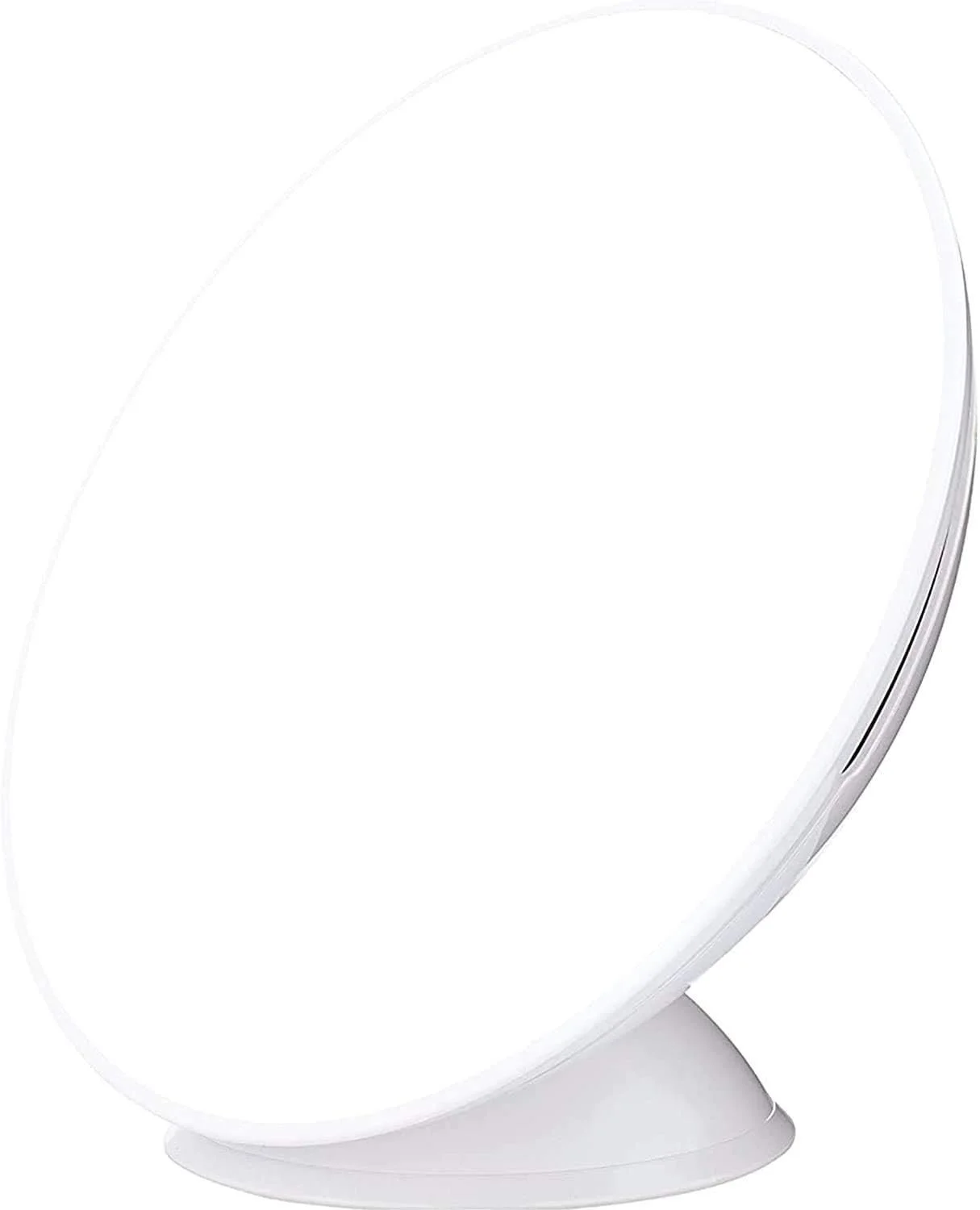
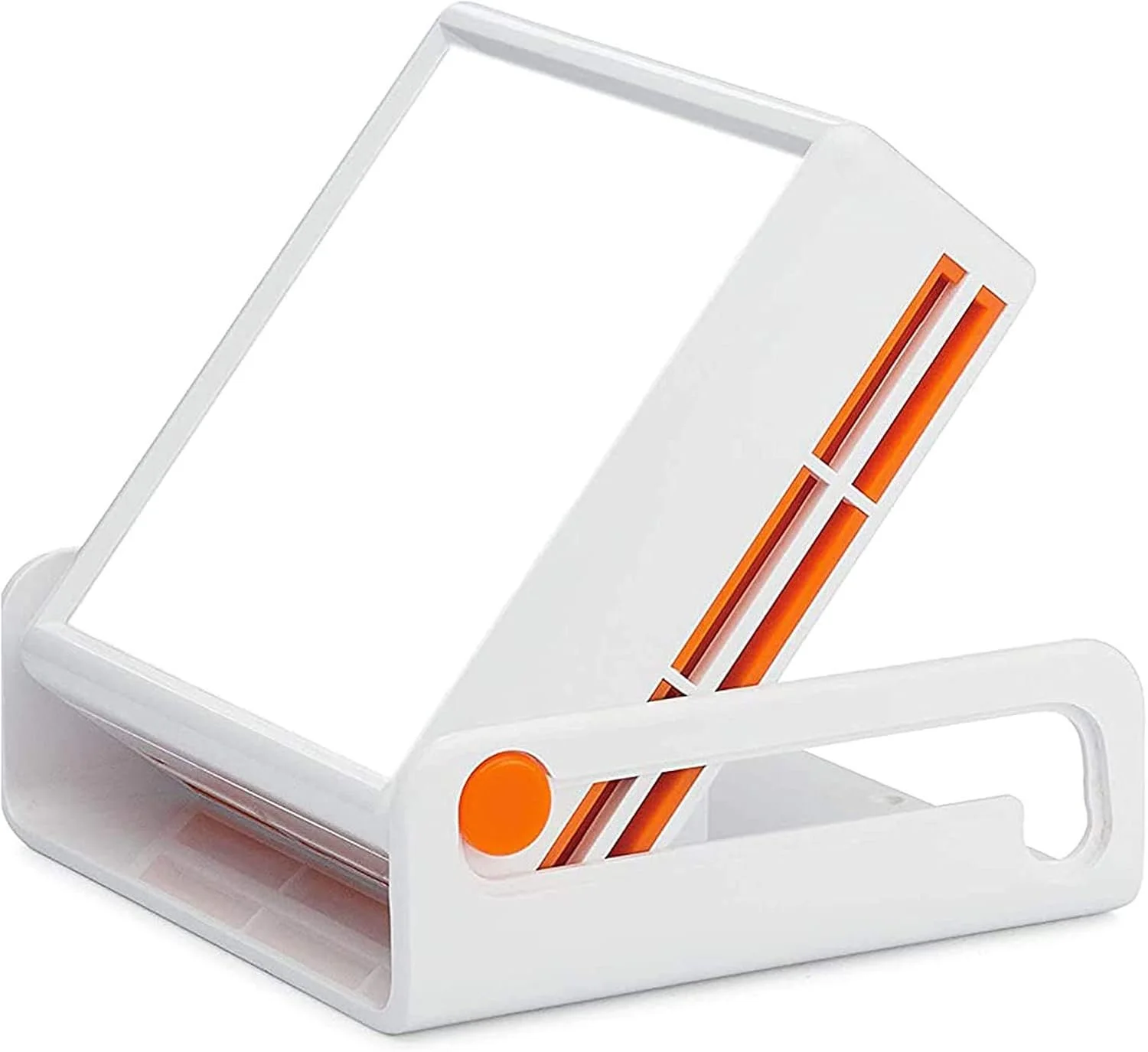
The further north you live, the more limited your natural light will be during winter. If you're working with seriously minimal daylight hours, light therapy lamps might be worth considering. These lamps are specifically designed to simulate exposure to sunlight, and sitting in front of one in the morning can help stimulate serotonin production.
If you're shopping for a light therapy lamp, pay attention to the lux rating (10,000 lux is the standard recommendation) and the surface area. Brightness matters, but so does glare (aka lux per square inch), because a tiny lamp that's incredibly bright will feel like staring into a flashlight. Most light therapy lamps are big flat rectangular boxes to maximize brightness while minimizing glare. They're not exactly beautiful, but they're functional.
If you'd rather have something less obtrusive, look for a smaller lamp that can sit on your desk while you work. It may need to stay on longer, but at least you can use it passively while you're doing other things. I personally went this route because I knew I'd only remember to use it if I left it out on my desk every day.
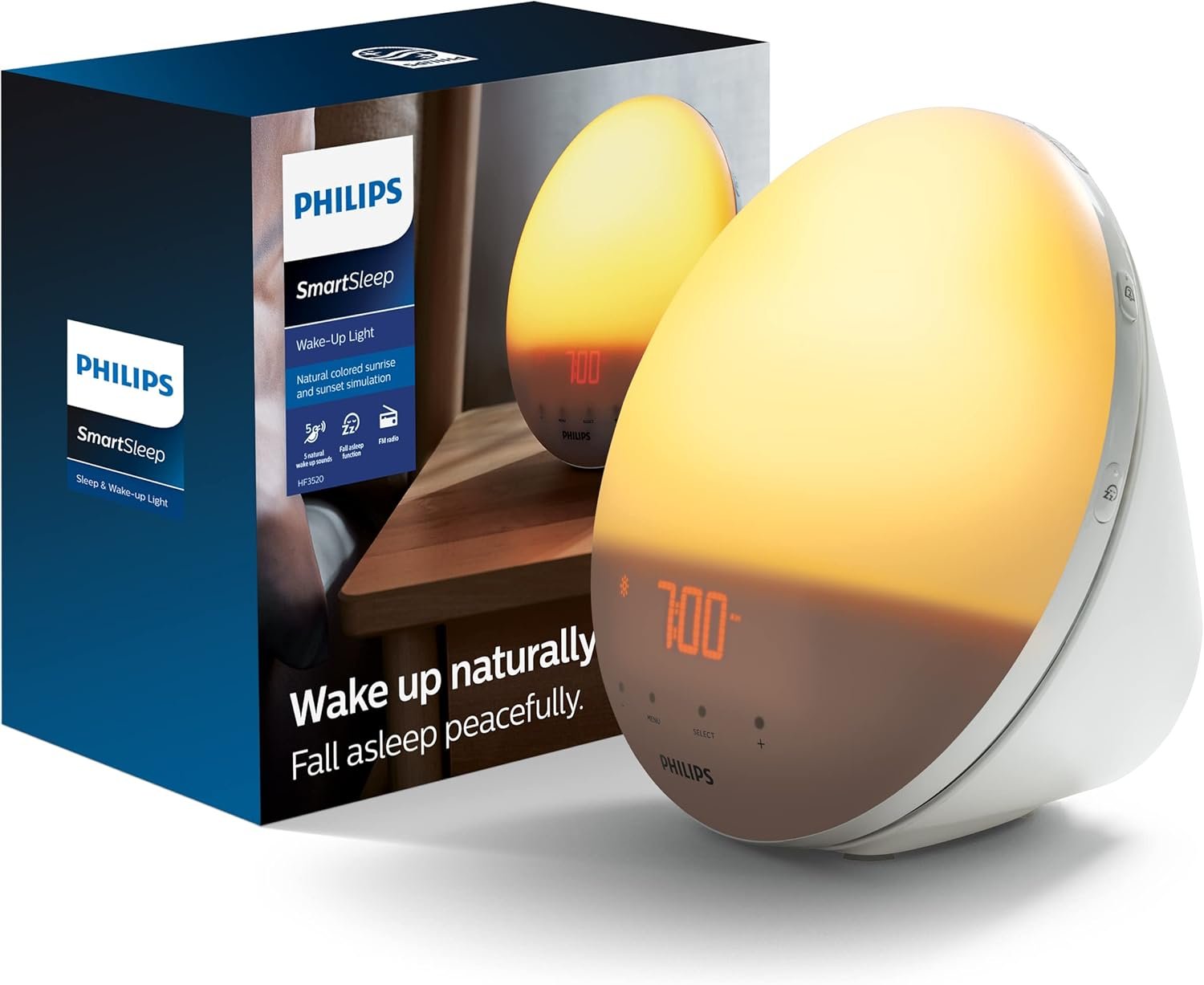
Another option worth considering is dawn simulation lights. If your bedroom doesn't get much natural light during winter mornings, these lights gradually brighten over 30 to 90 minutes before your alarm goes off, mimicking a natural sunrise. You can buy a standalone dawn lamp or use any multi-color LED smart bulb with automation features.
Dark
Health psychologist Kari Leibowitz has traveled all over the world researching how people weather the winter in places like Copenhagen and Reykjavik, where the winter months are especially dark and cold. Surprisingly, these places have lower rates of seasonal depression than you'd expect. It turns out that trying to white-knuckle our way through winter like it's business as usual is mostly an American tradition, and elsewhere people have much healthier strategies.
One of Dr. Leibowitz's recommendations for combating seasonal blahs might seem counterintuitive: embrace the dark. Get all the natural light you can during the day, but when the sun goes down, lean into it. Commit to not turning on any overhead lighting in the evening. Stick to lamps, and break out the candles. Making your evenings atmospheric and cozy will change your perception of winter darkness from something to fight against to something that can actually feel comforting.
This is where your interior design choices really shine. Layered lighting with warm-toned bulbs, candles on surfaces where you'll see them often, and maybe even some string lights can transform those long dark evenings from depressing to genuinely enjoyable. Instead of trying to recreate summer, you're creating an environment that makes winter feel inviting and special.
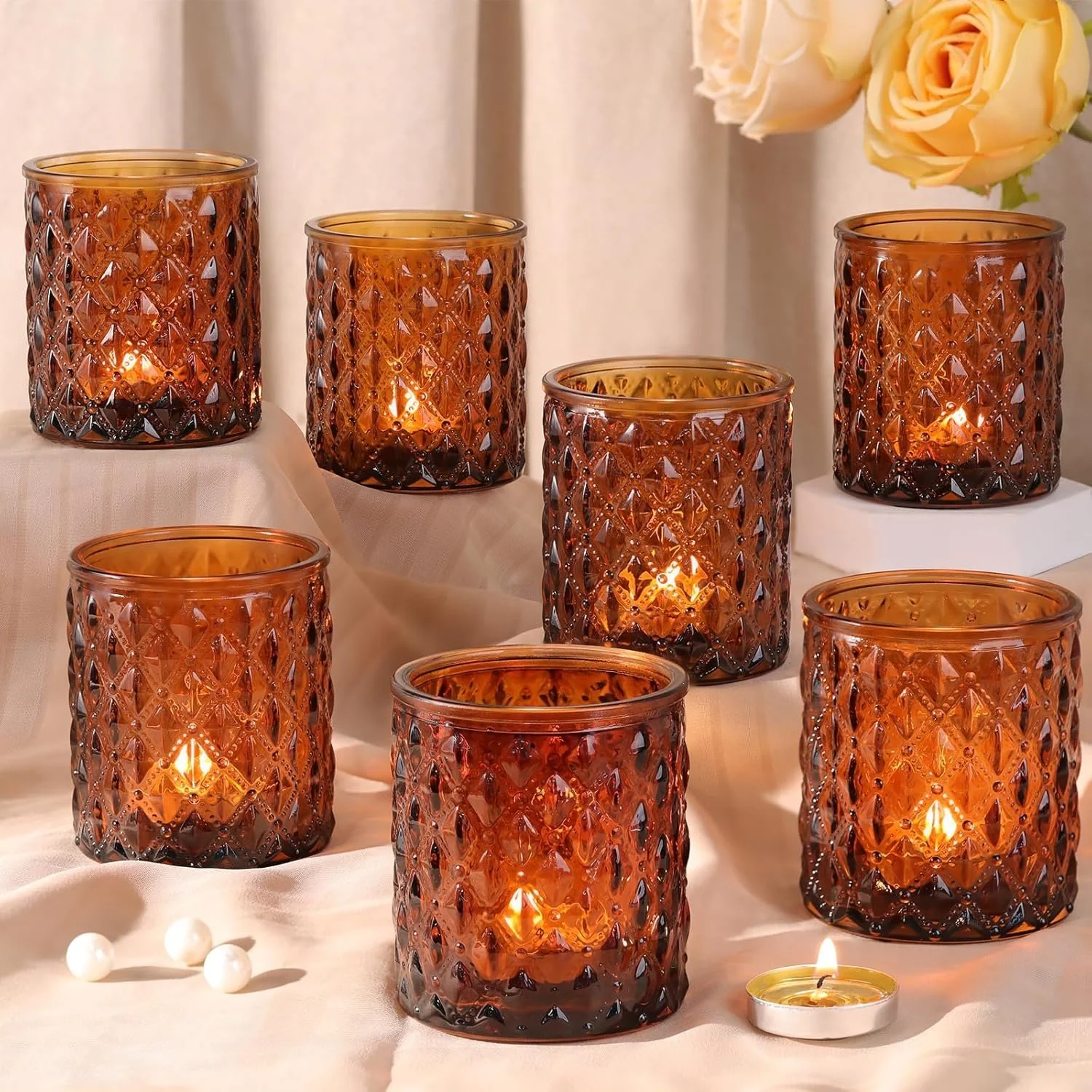

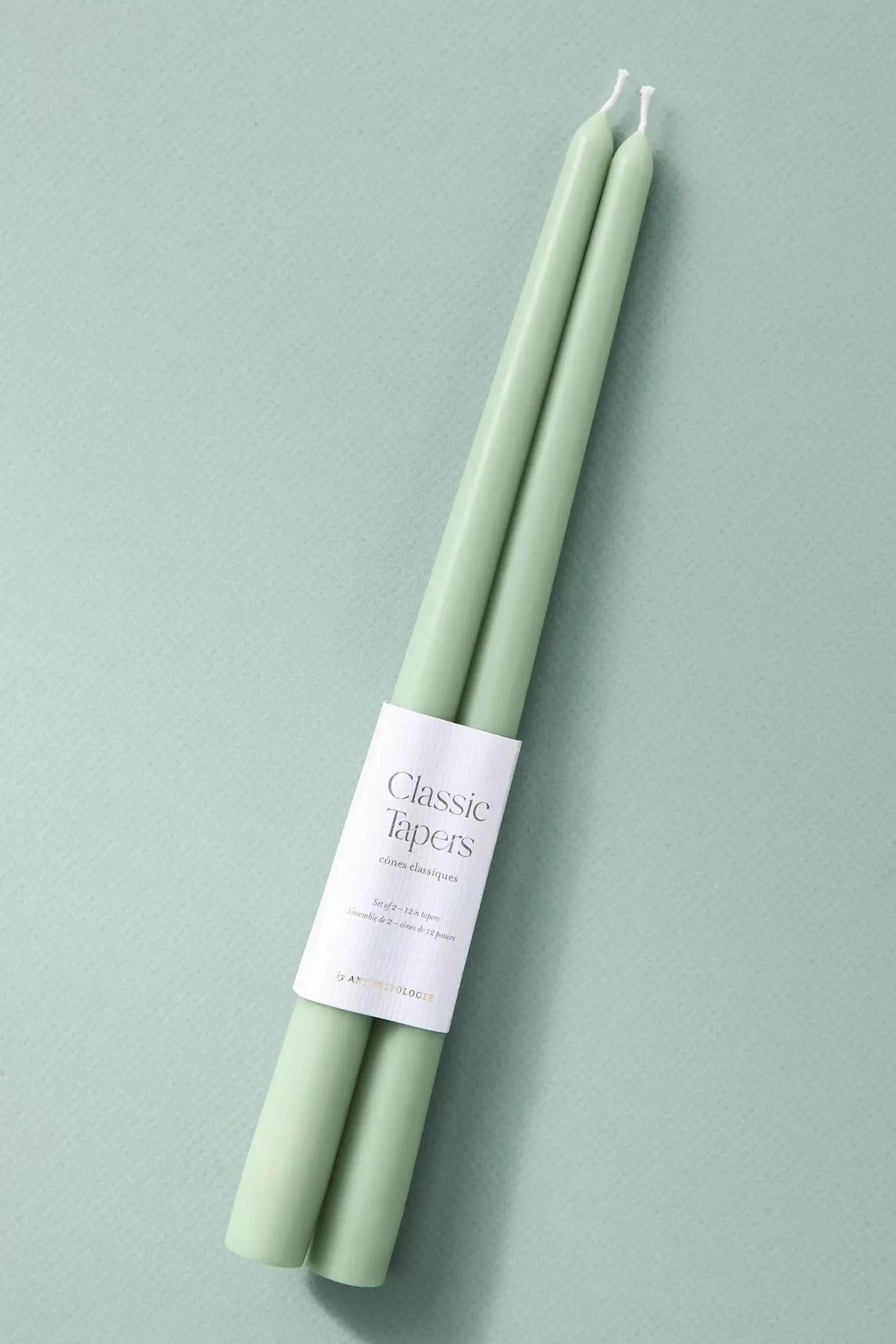
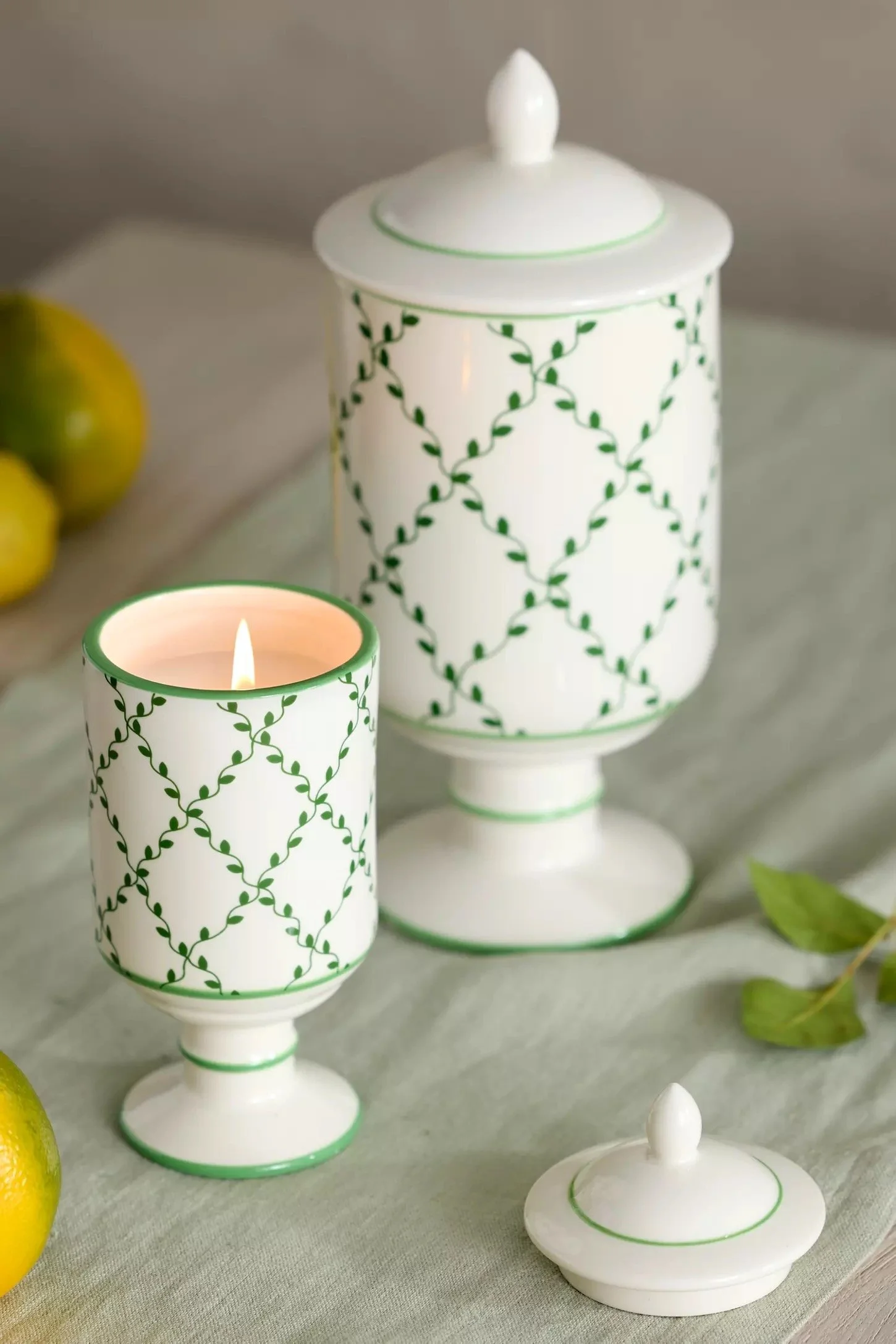
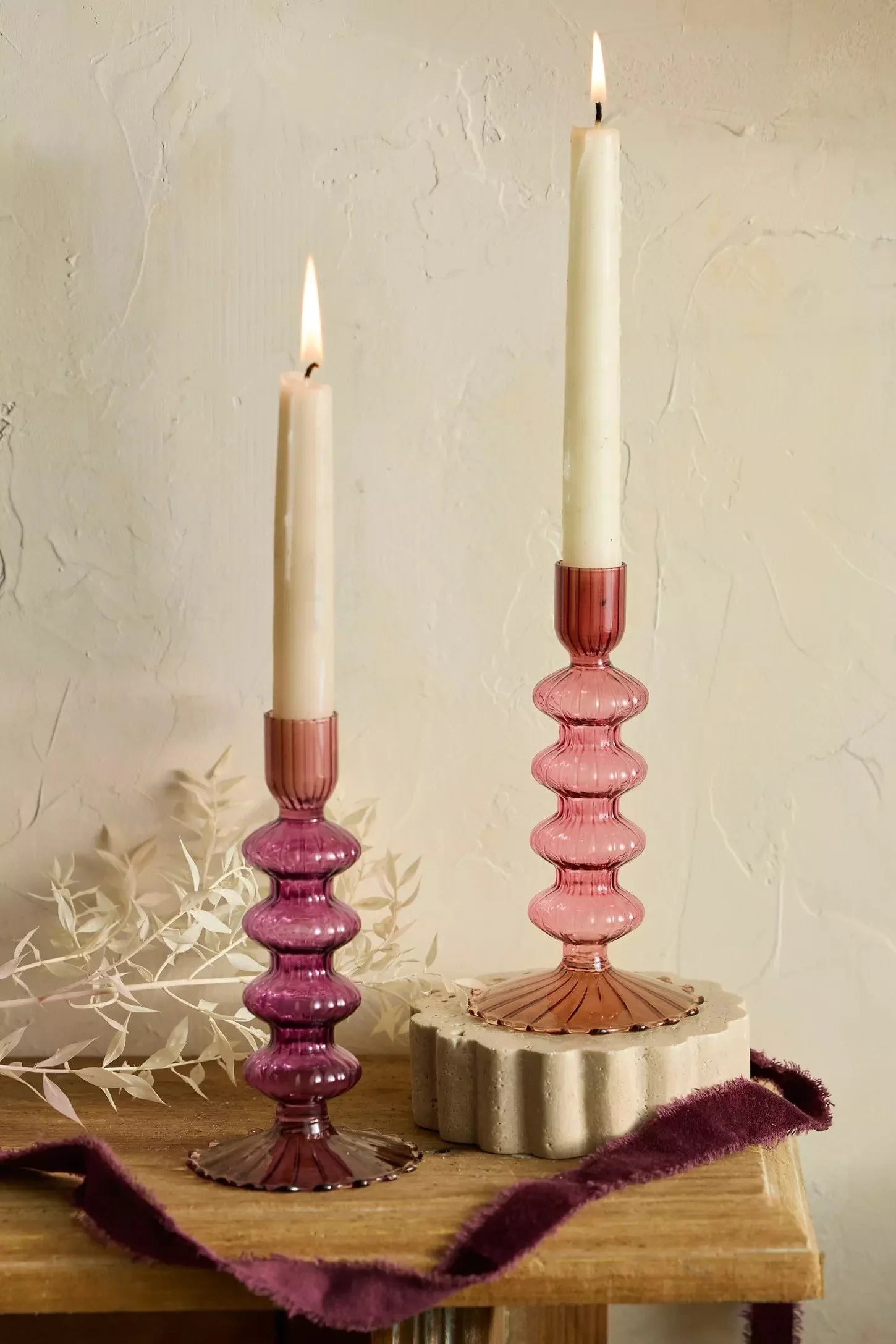
Winter doesn't have to be something you just survive. With a few thoughtful changes to your space you can create an environment that supports your wellbeing through the darker months. Your home should work for you year-round, and these adjustments will help make winter feel a whole lot more manageable.