DESIGN

Story by Virginia Beshears
Although I'm staunchly anti-popcorn ceiling, I am willing to admit that they have exactly one thing going for them: their sound dampening ability.
The past few decades of interior design trends have indeed been steering us towards an acoustic nightmare, trading the sound-absorbing qualities of our homes for sleeker, shinier hard surfaces. Let's talk about why this happened, and more importantly, how to get that peaceful, sound-absorbing feeling back (in ways that aren't visually assaulting).
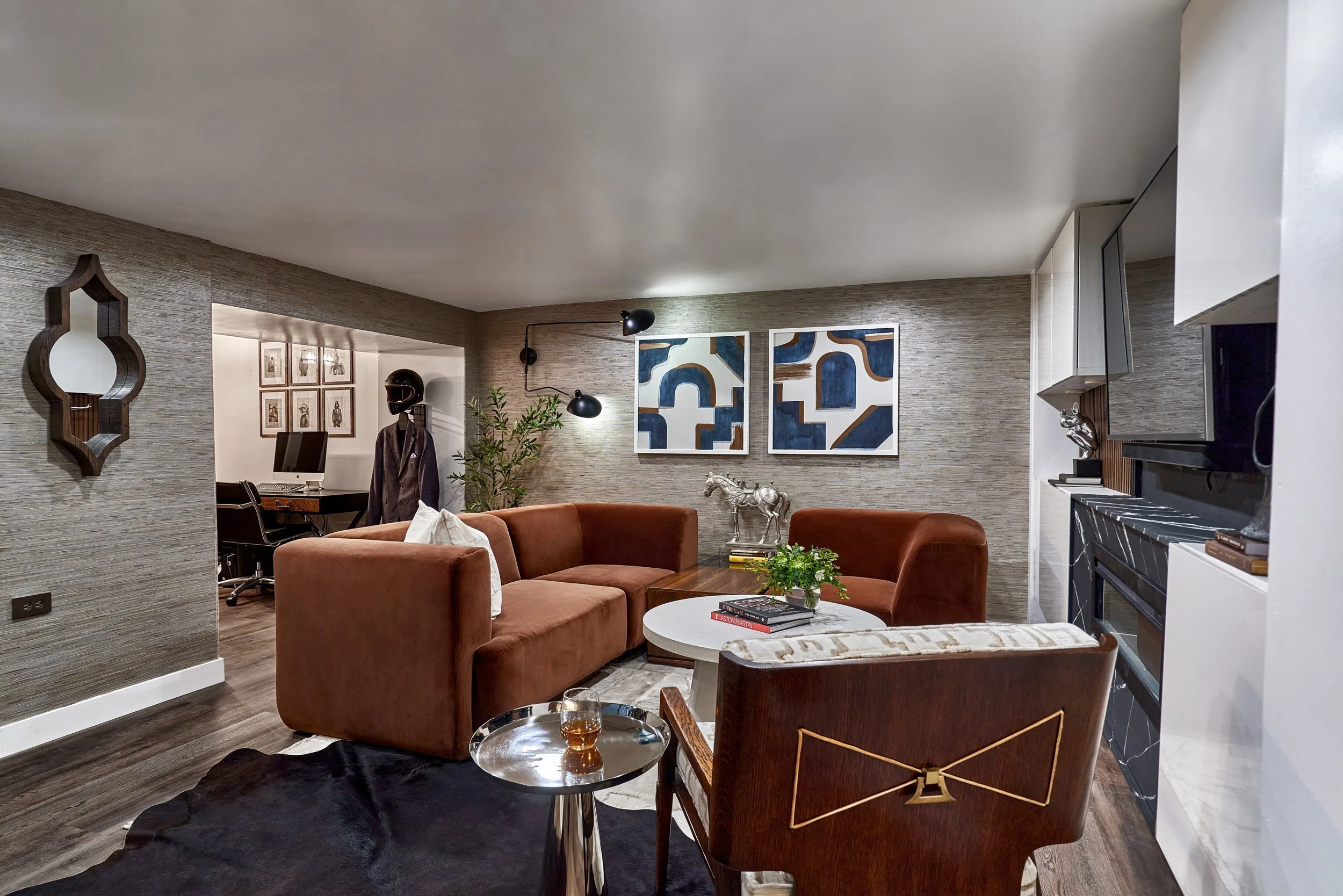
via Jadore le Decor
The Rise and Fall of Popcorn Ceilings
Popcorn ceilings, also known as acoustic ceilings or cottage cheese ceilings (appetizing, right?), became popular from around the 1930s through the 1990s. They were at least partially created for fire resistance and sound absorption, but mainly they became so ubiquitous because it was much cheaper for builders to spray texture over a ceiling rather than having to float perfectly smooth drywall.
But by the late 1990s and early 2000s, design trends shifted dramatically toward cleaner, more minimalist aesthetics. In large part, hardwood floors replaced carpet, roman shades replaced heavy drapes, leather furniture replaced fabric upholstery, and the resulting spaces often felt cold and echo-y to actually live in. Surfaces like hardwood floors, tile, exposed brick, and smooth ceilings reflect sound waves rather than absorbing them. This creates reverberation that makes spaces feel larger but also noisier, more chaotic, and less restful.
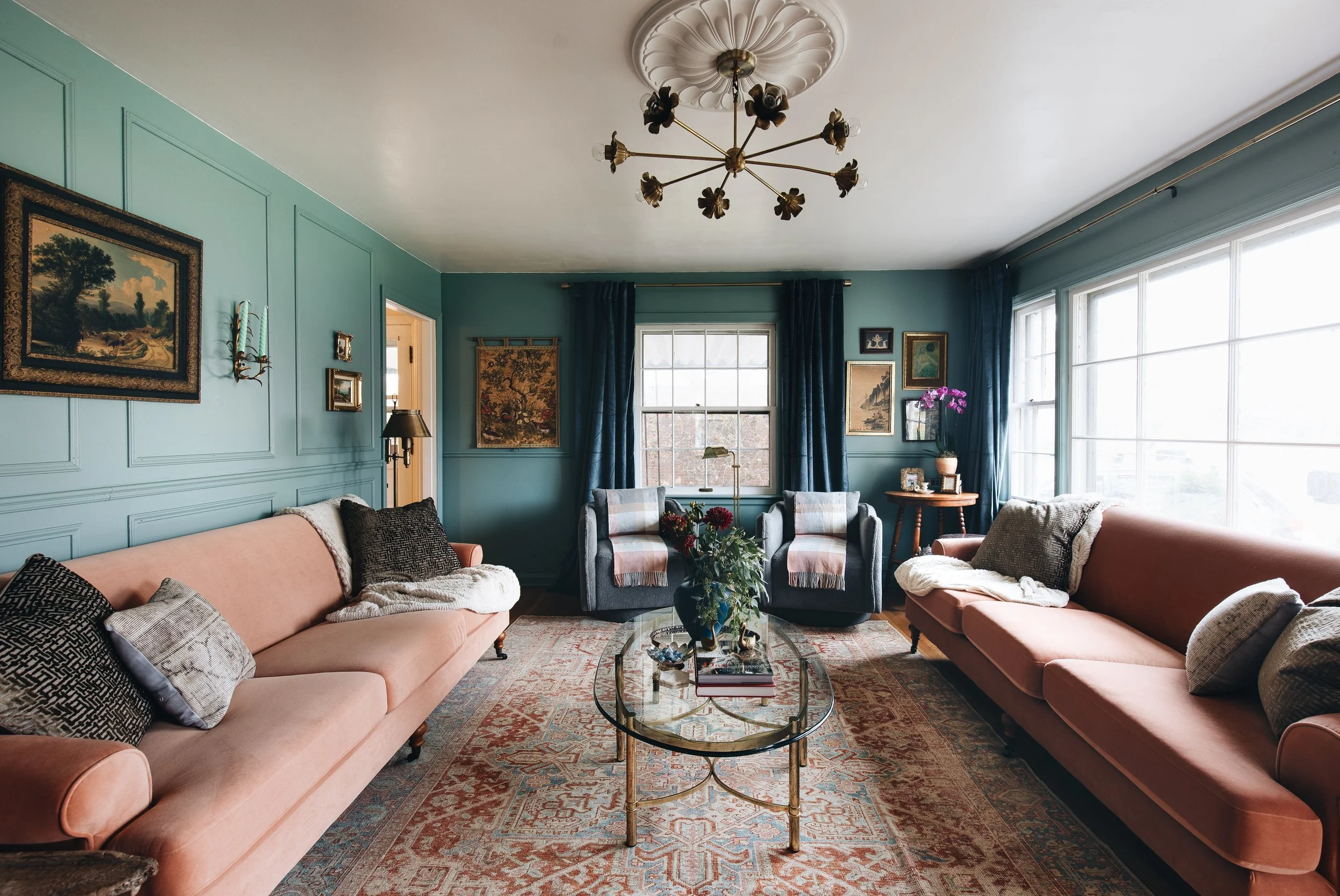
Although design trends within the past couple of years have thankfully course corrected for the warehouse-chic look of the 2000s, our homes today are still acoustically harsh in ways that many homeowners don't fully realize until they visit a space with good sound absorption. Think about the last time you walked into a high-end hotel lobby with plush carpeting and fabric wall coverings, or settled into a cozy library reading nook.
So, while I cherish my smooth ceilings and hardwood floors, I also highly recommend some strategic sound dampening.

Better acoustics, sans popcorn
Here are a few ways to add sound absorption back into your beautifully renovated spaces.
Textiles
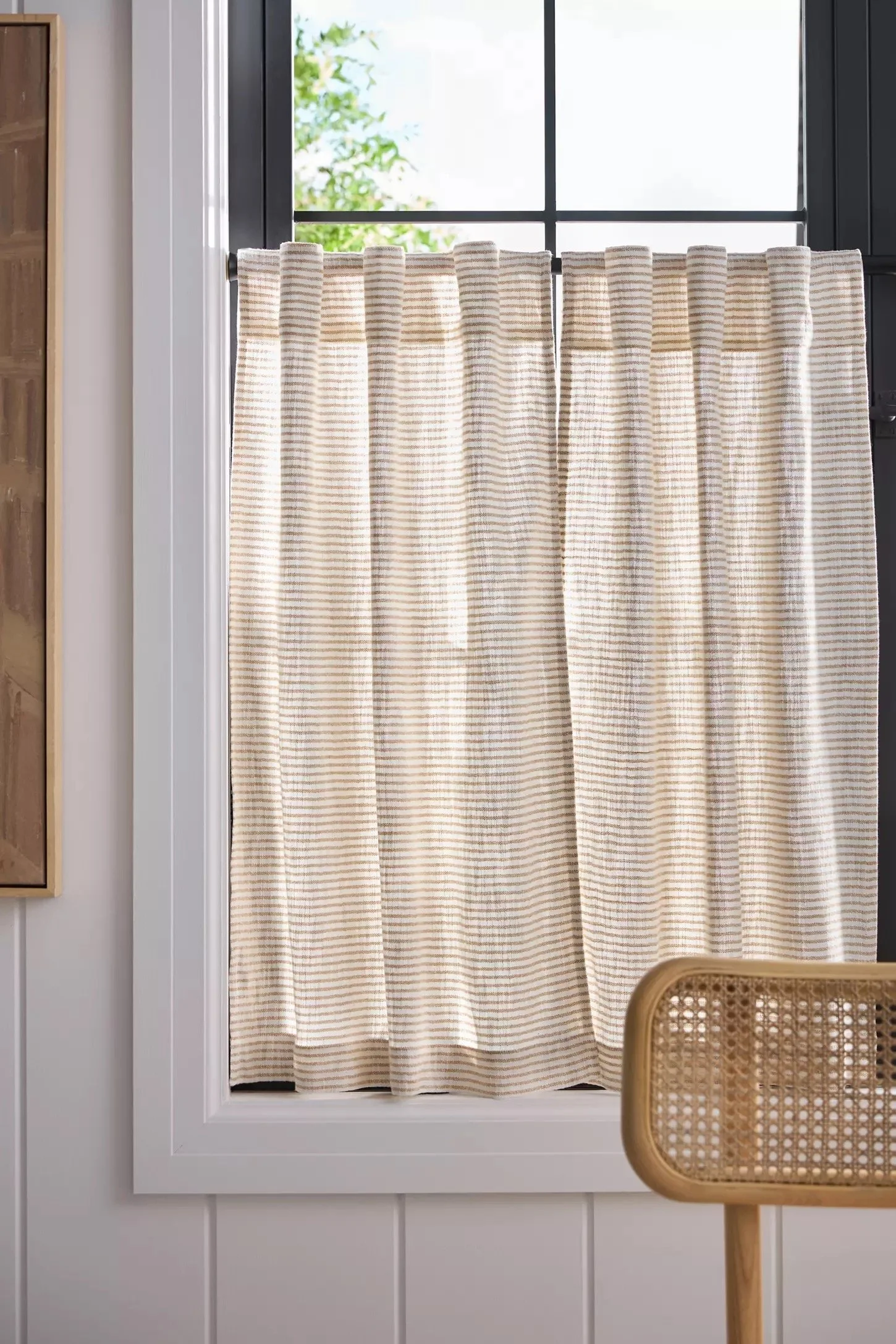
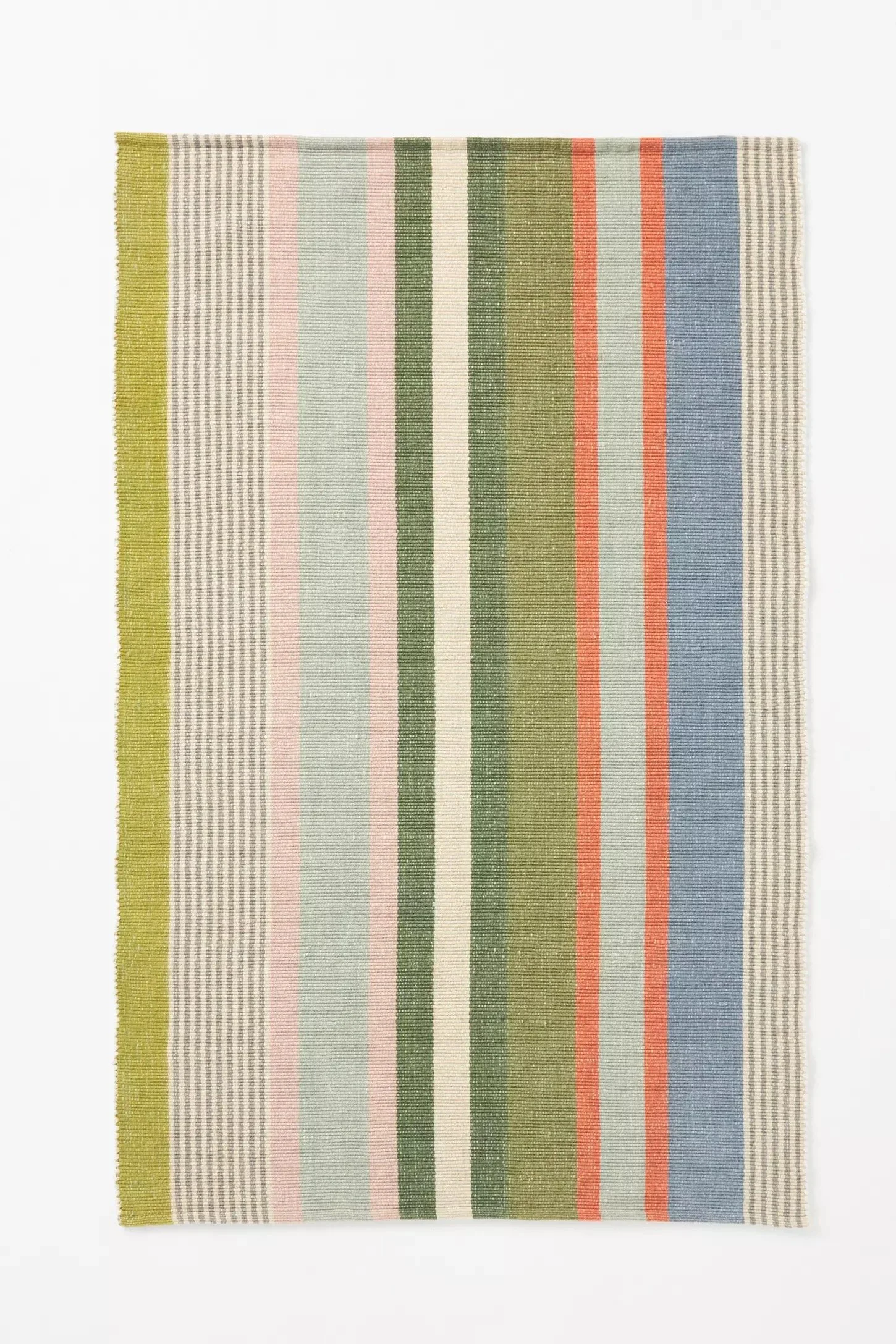
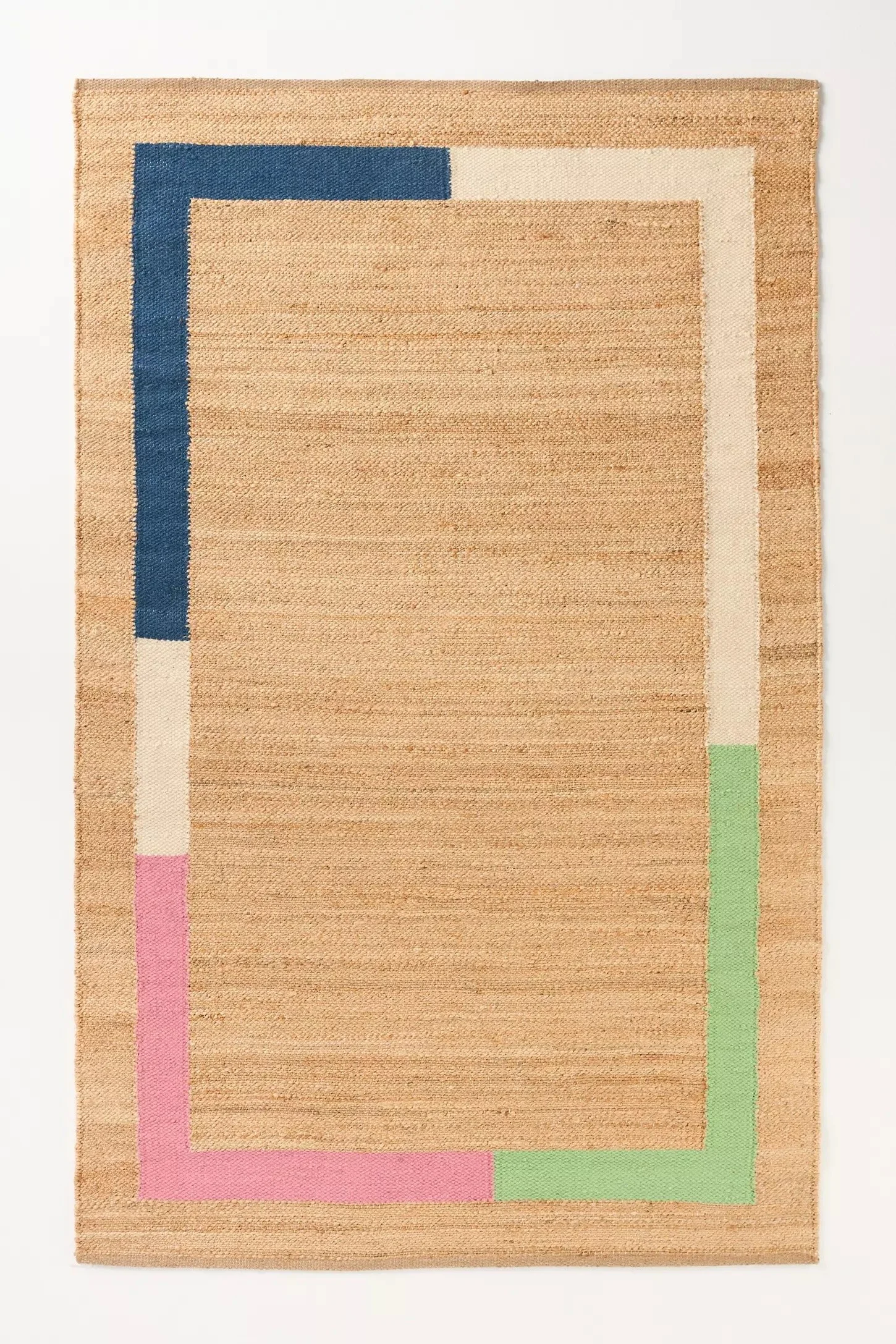
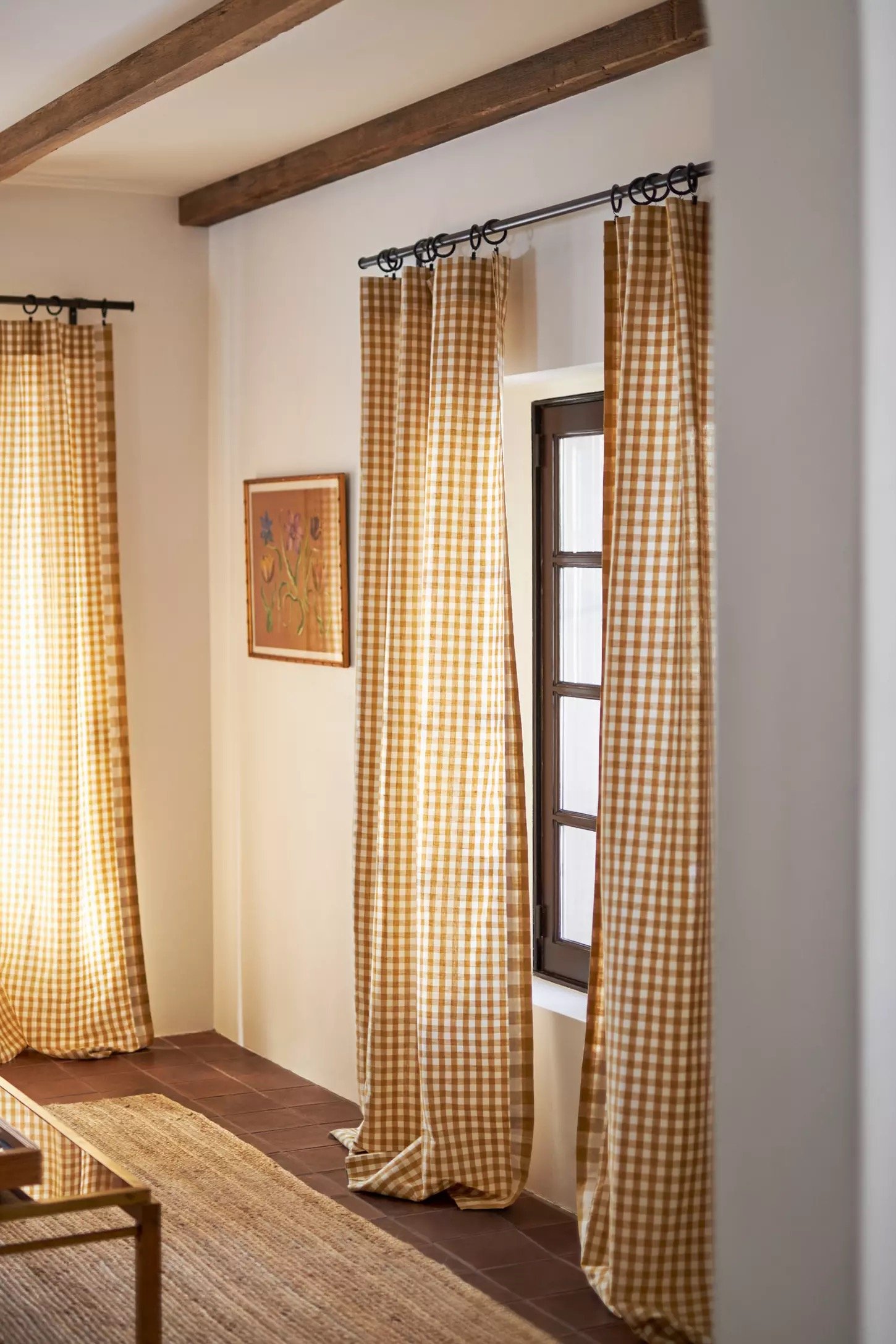
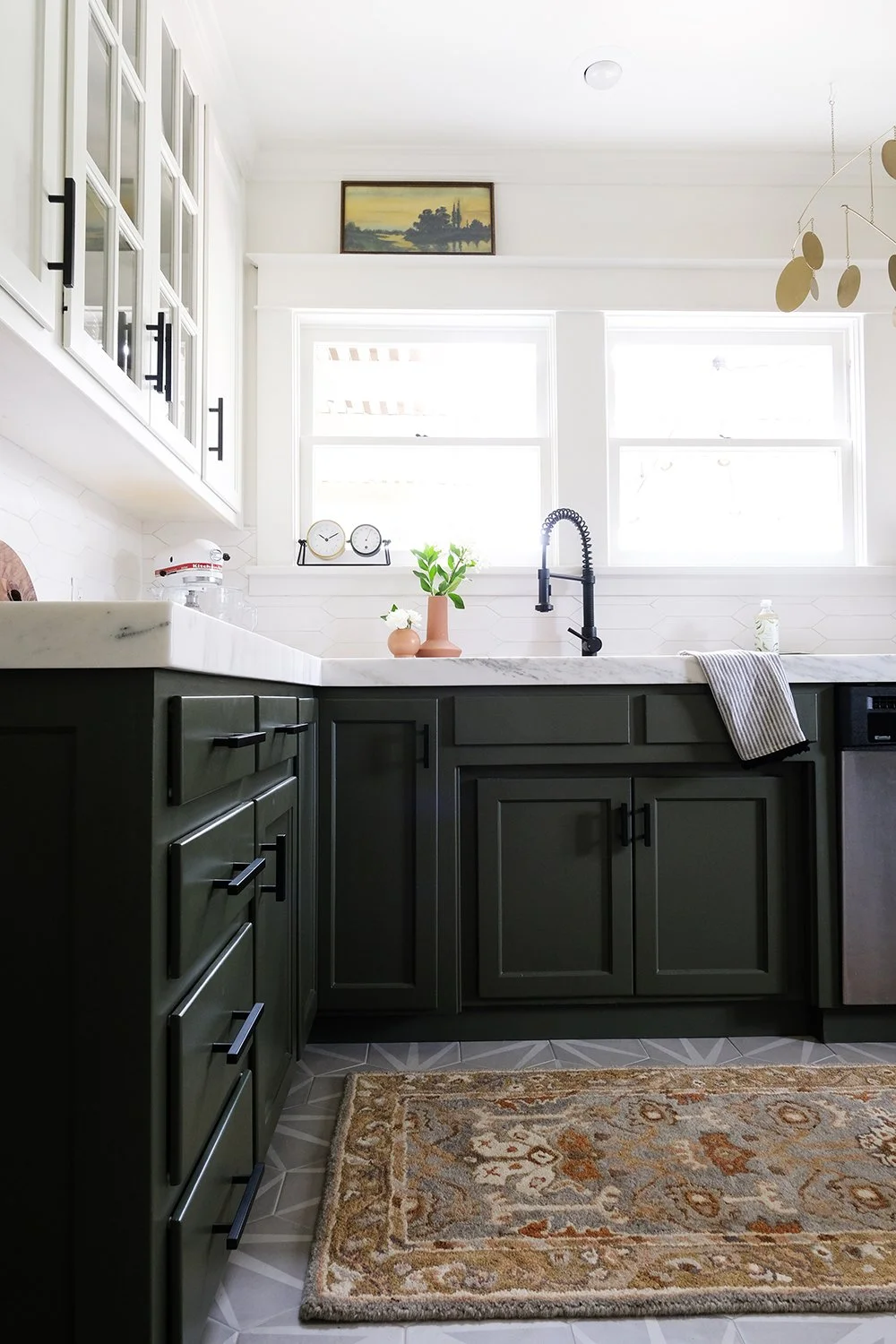
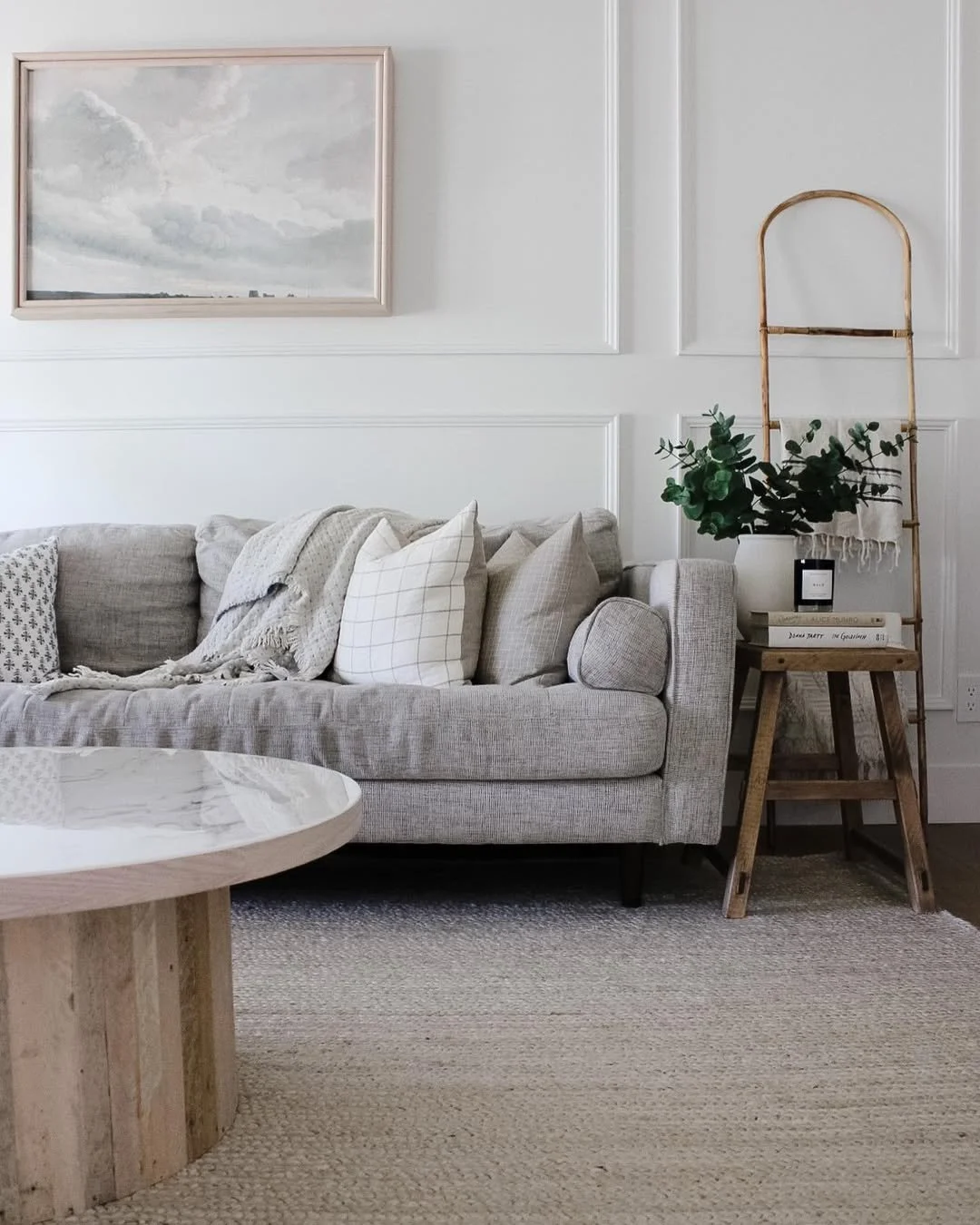
Layer in soft furnishings wherever possible. Area rugs on hard floors, a couple extra throw pillows on the sofa, and curtains or drapes on windows all help absorb sound. Even a beautiful throw blanket draped over the back of a chair adds acoustic benefit while looking intentional and styled.
Other ceiling options
If you have a popcorn ceiling you're itching to remove, one great option is to cover it up with wood paneling, which has about the same level of noise absorption. This option is ideal if your popcorn contains asbestos, since you can use ultra lightweight panels that stick with adhesive and never have to worry about the asbestos going airborne.
Strategic Upholstery
When choosing furniture, consider pieces with fabric upholstery for at least some of your seating. An upholstered headboard, dining chairs with fabric seats, or an ottoman with soft surfaces all contribute to better acoustics while maintaining a more current aesthetic.
Wall Treatments That Work Double Duty
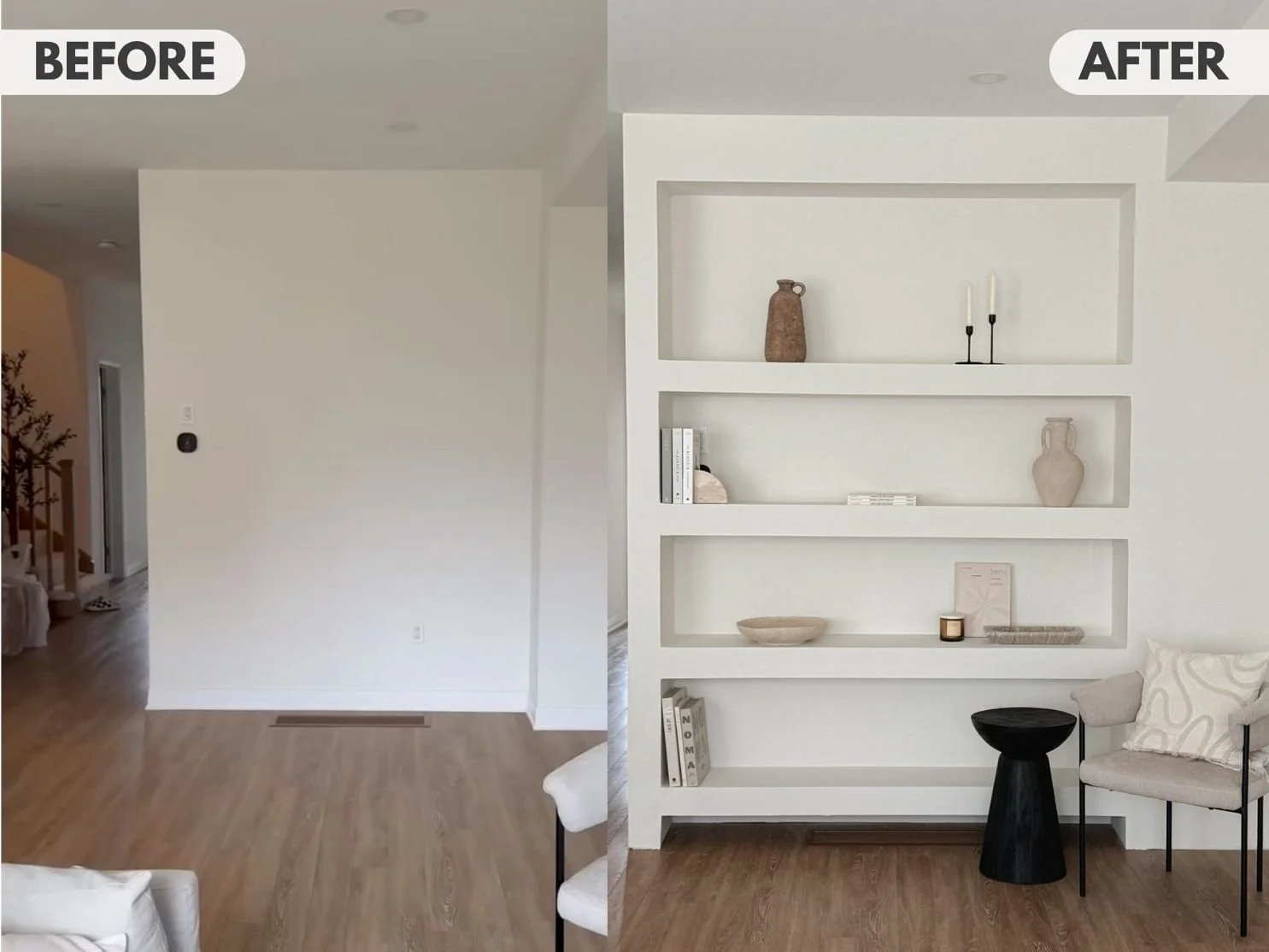
Fabric wall panels, tapestries, or even a gallery wall with canvas prints can help absorb sound. Bookshelves filled with books are also excellent sound absorbers—all those paper pages create natural acoustic dampening.
via hurryhometoyou
Plants and Natural Elements
Large plants, particularly those with soft, broad leaves, can help absorb sound while adding life and color to your space. A few well-placed fiddle leaf figs or monstera plants can make a surprising difference in a room's acoustic quality.
Window Treatments
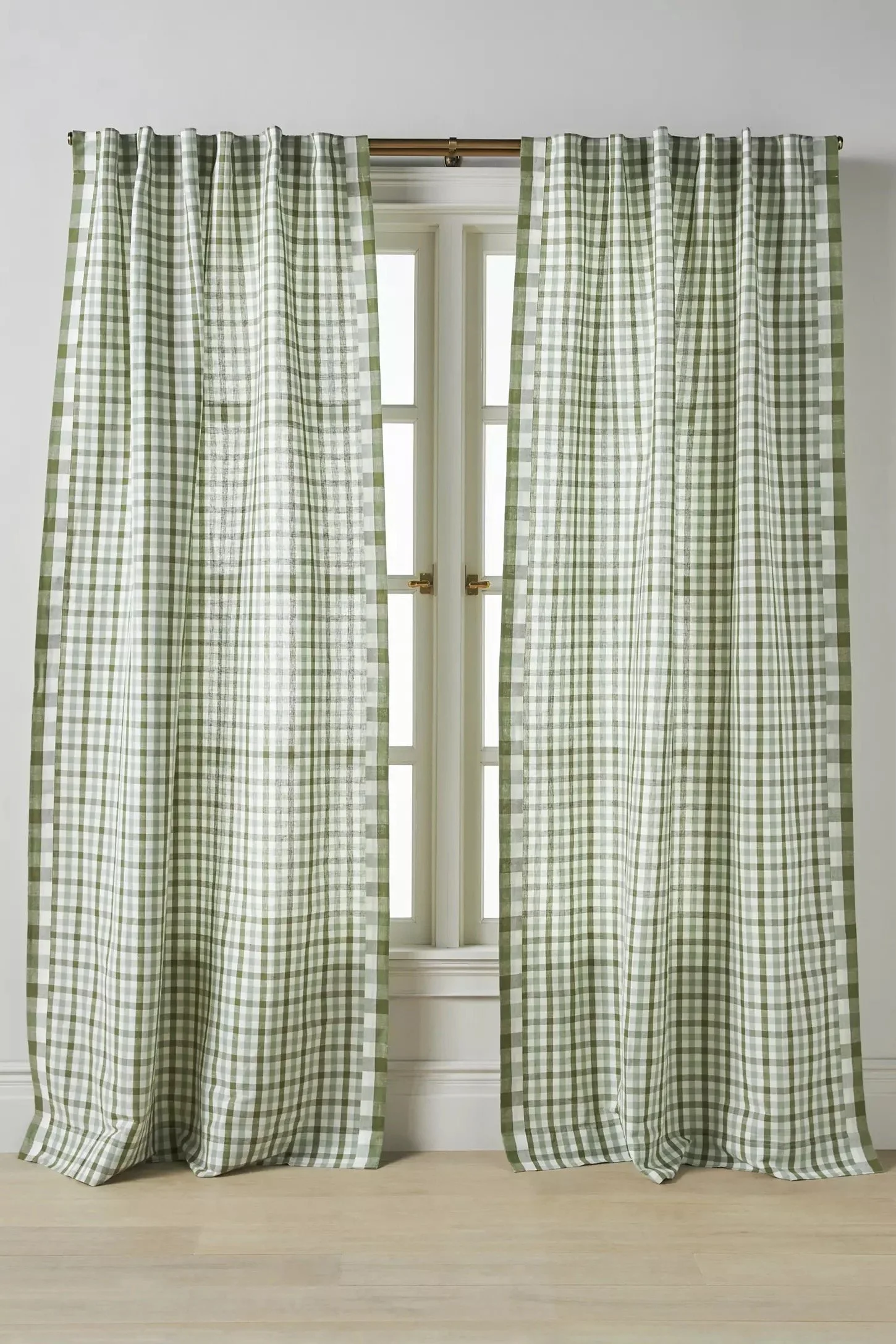
Curtains and layered window treatments are excellent sound absorbers in addition to providing privacy and light control. If you prefer the look of blinds, consider adding curtain panels that you can close when you want a quieter atmosphere.

via onemoredaydesign
Finding the Balance
The key to creating a home that both looks current and feels peaceful is balance. You don't need to choose between style and comfort. By thoughtfully incorporating sound-absorbing elements that align with your aesthetic preferences, you can have the best of both worlds.
While I sincerely hope popcorn ceilings never make a comeback, we can certainly learn from the acoustic wisdom of the past. After all, a truly well-designed space should appeal to all your senses, including your ears :)