Keeping Your Space Clean & Stylish with Pets
STORY BY VIRGINIA BESHEARS
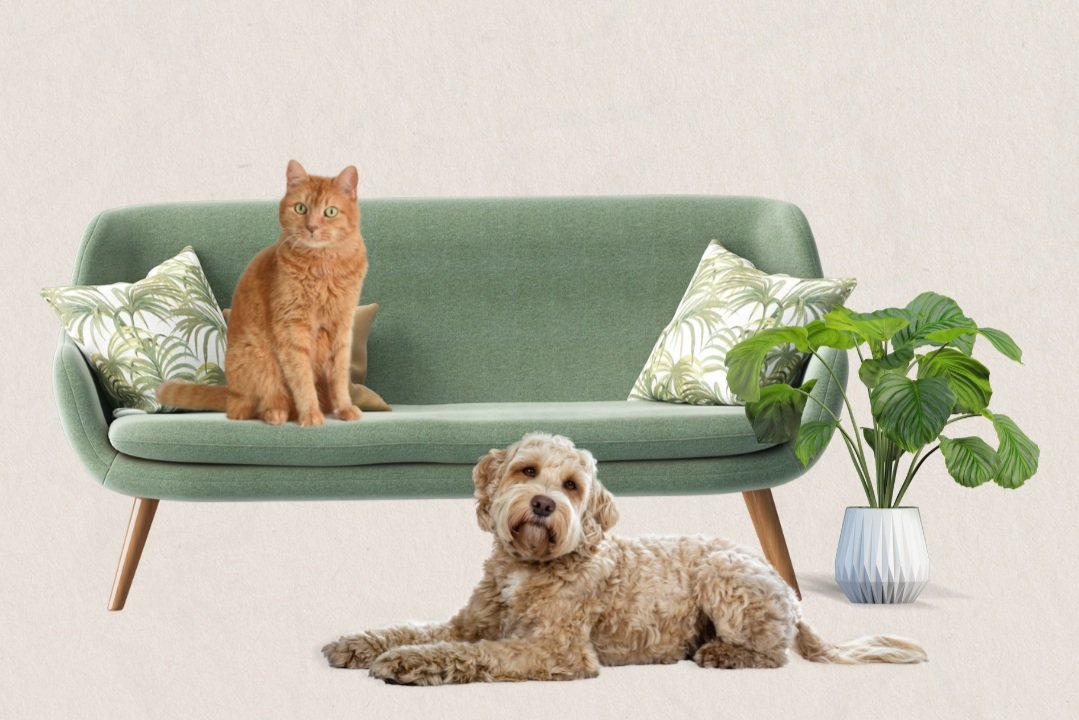
Pets bring so much joy, companionship, and fulfillment into our homes. They also tend to bring other things into our homes— things that might clash with carefully curated decor.
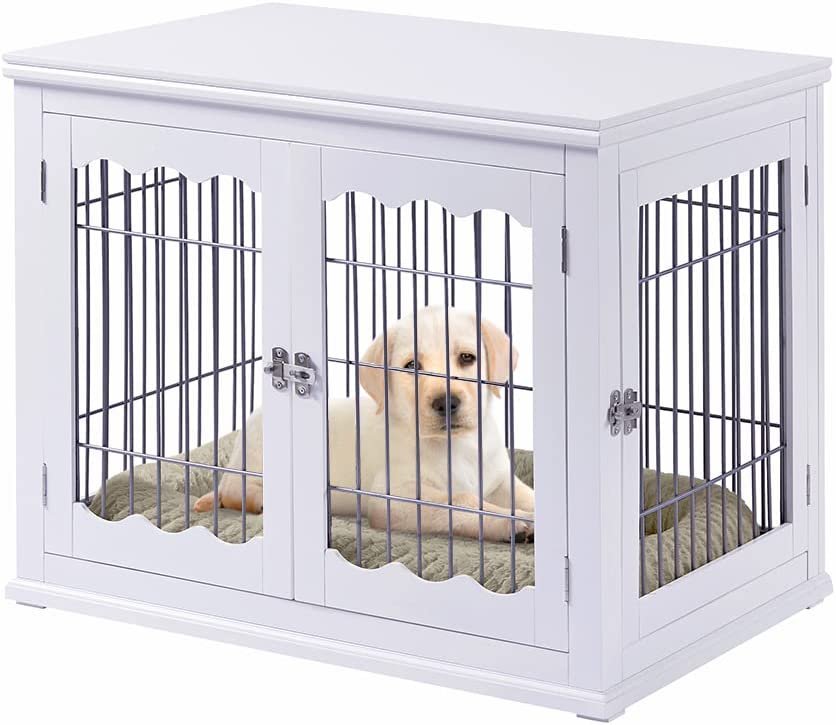
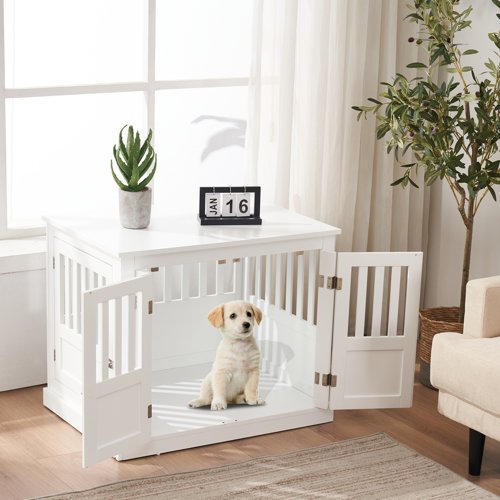
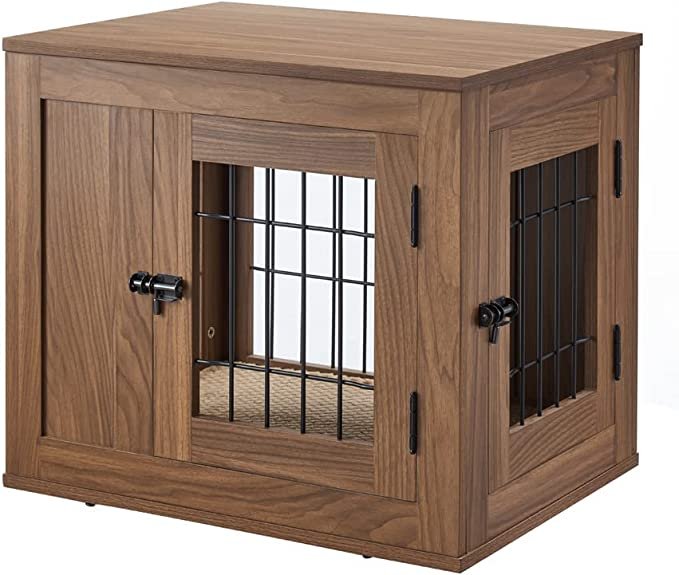
Keeping your house clean with pets can be challenging. Plus, the day to day items our pets need most— dog crates, food and water bowls, pet beds, cat trees and scratchers, and litter boxes— are usually eyesores in your space.
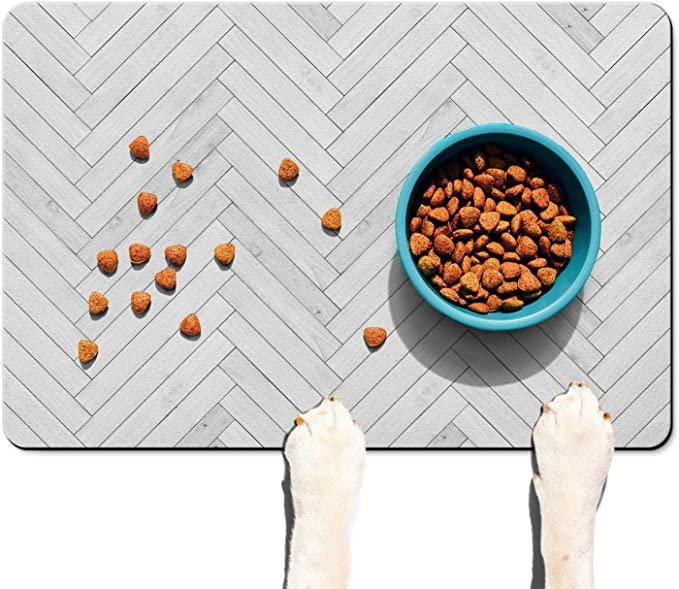
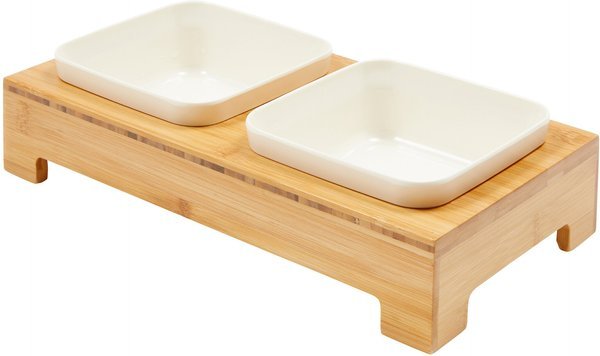
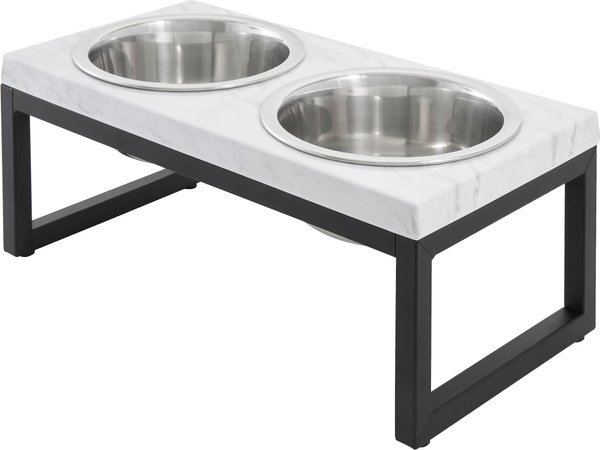
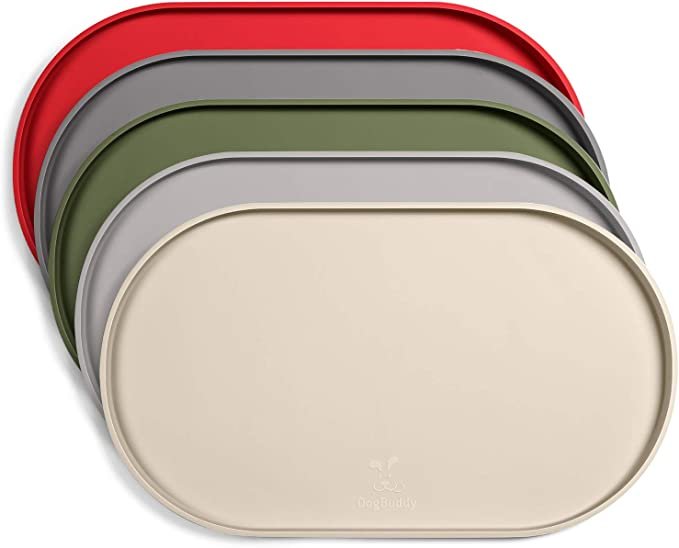
The best strategy when picking out pet items is to choose what will best blend in with your space. If you want to reduce visual clutter, you should choose items that will fade into the background, like a food and water mat that matches the color of your flooring. Or, if you don’t mind the extra visual clutter, find an item that will fit in with your style and color palette. Either option requires spending a little extra time digging past the standard options, but will result in a far more cohesive space that you and your pet will love.
Below are tips and finds for pet owners who want to preserve the style and cleanliness of their space while still making their furry friends happy and comfortable.
CLEANING
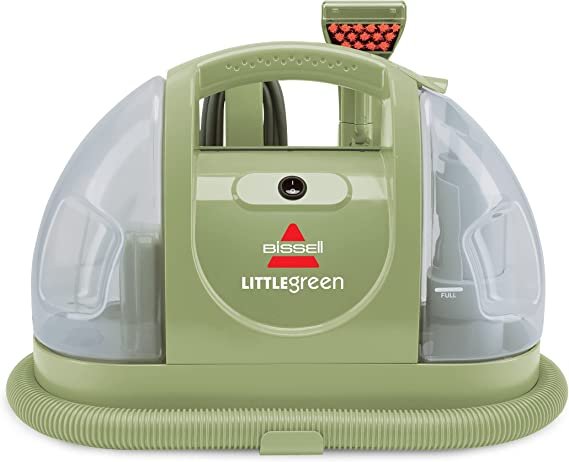
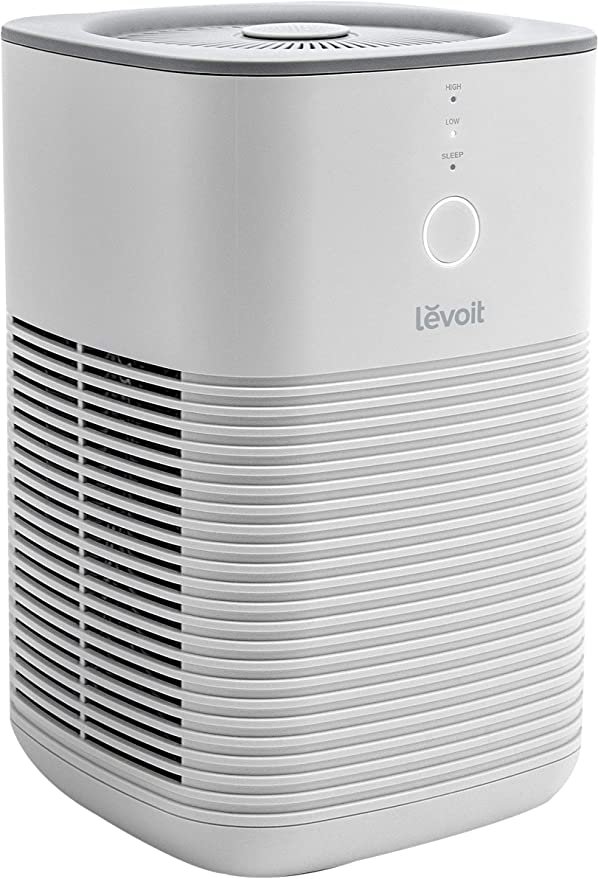
A lightweight vacuum and a good air purifier are must-haves for pet owners. Having to lug out the big upright vacuum all the time is just not practical. Investing in a smaller, lightweight vacuum will save you time and effort, and make it easier to clean upholstery. Running an air purifier will help filter out any allergens and pet odors that may linger. You don’t even need a giant, super fancy one— a small one that’s powerful enough to filter the space where you and your pets spend the most time together will suffice.
DOG CRATES
FOOD & WATER
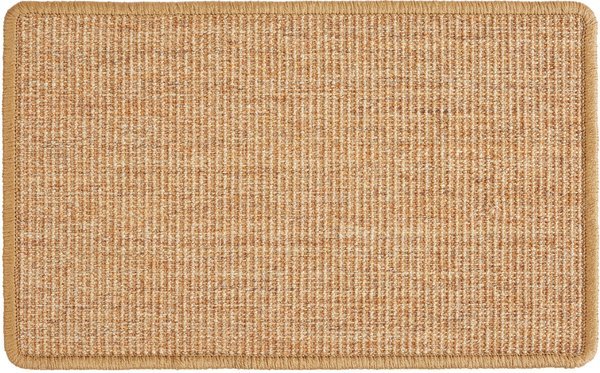
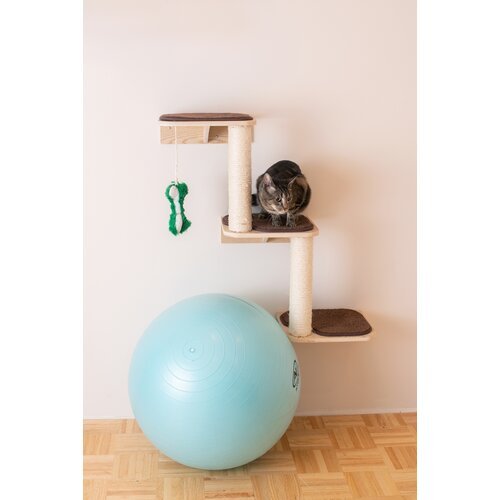
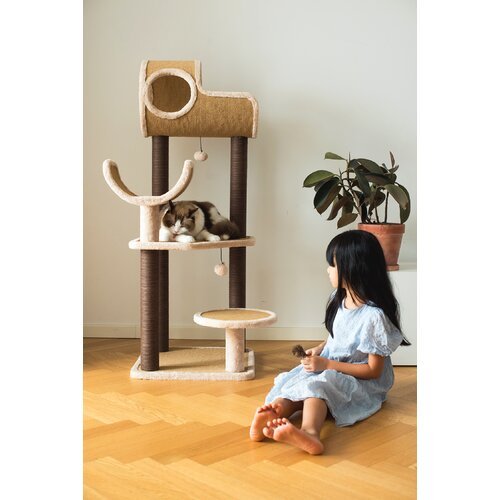
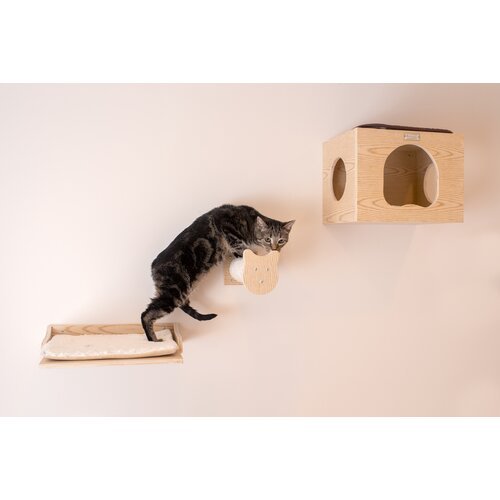
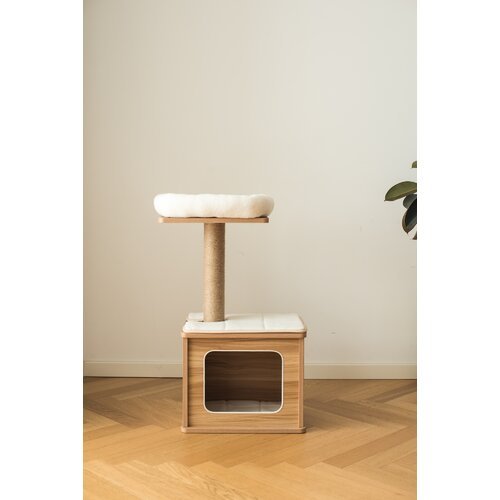
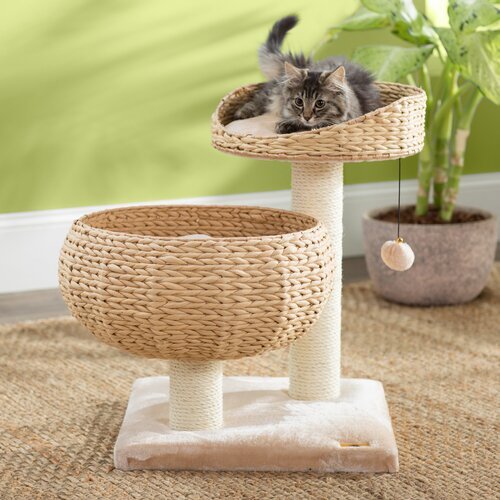
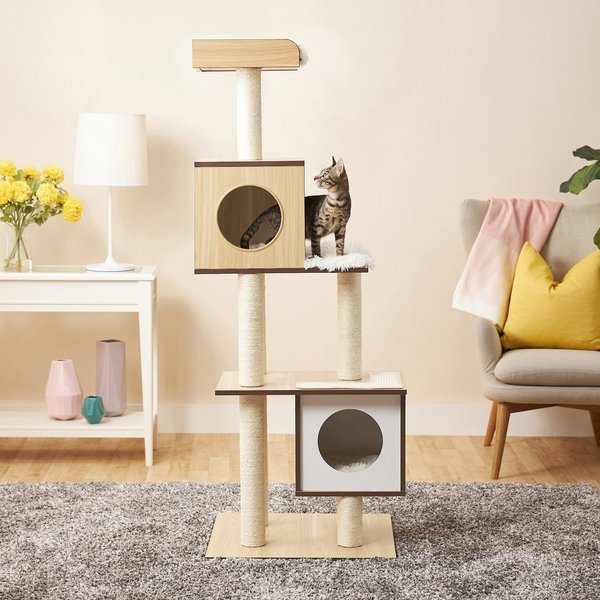
CAT TREES & SCRATCHERS
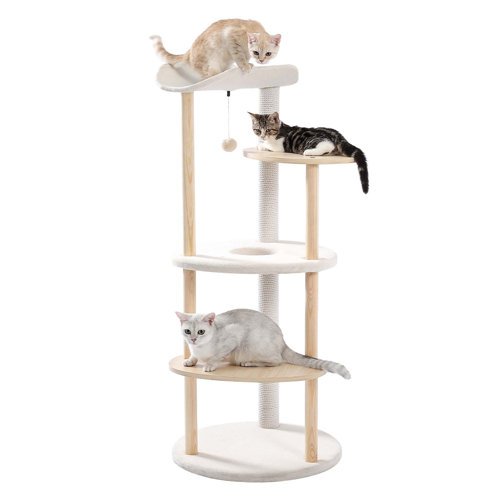
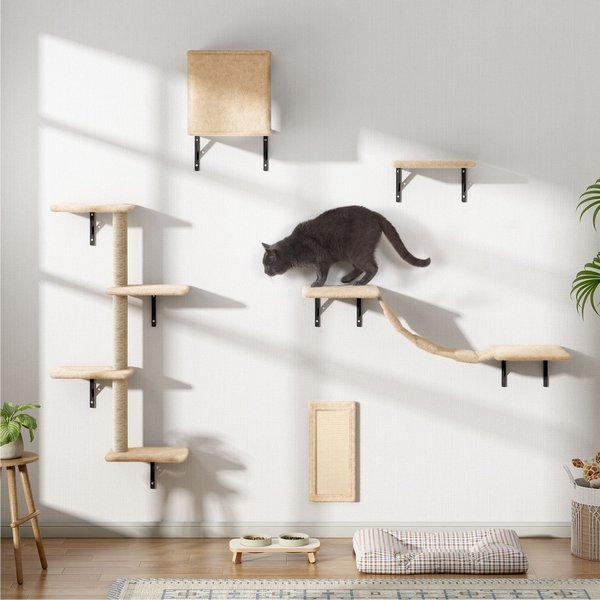
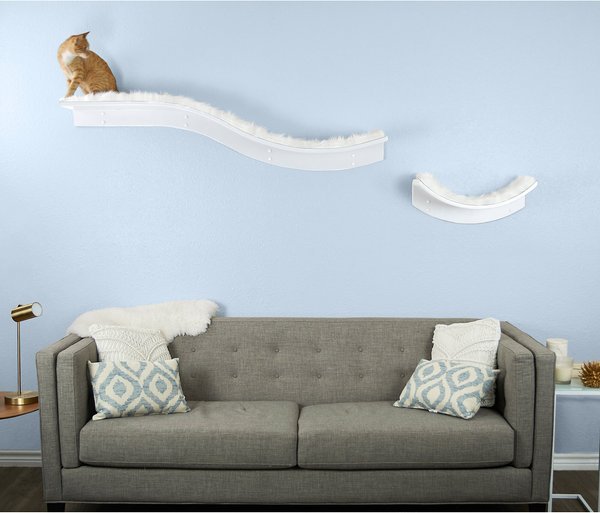
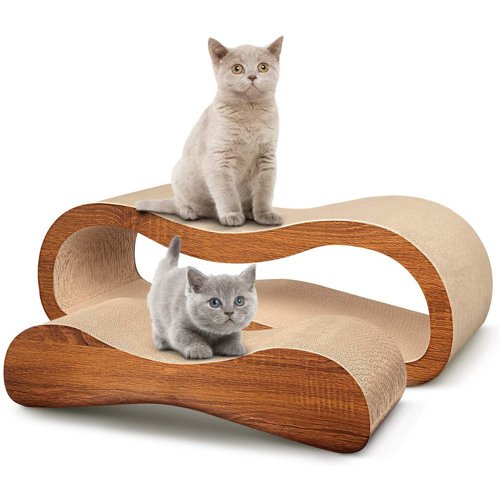
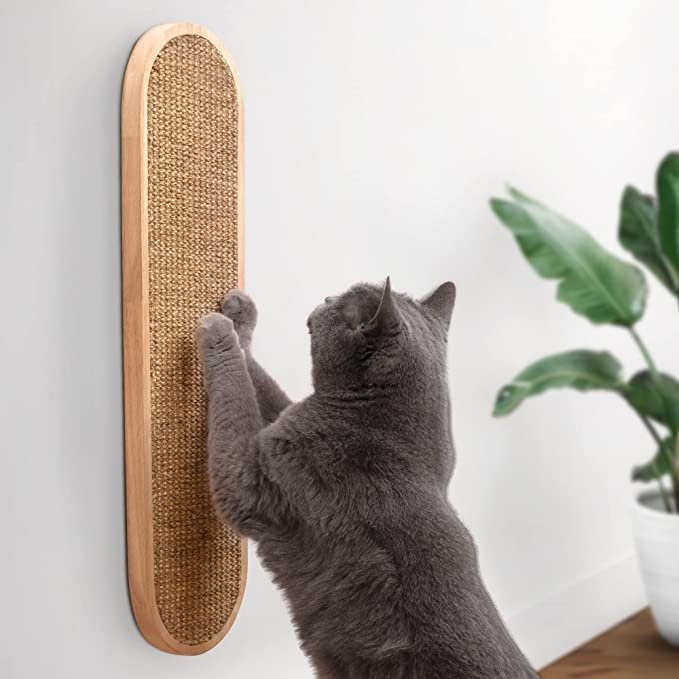
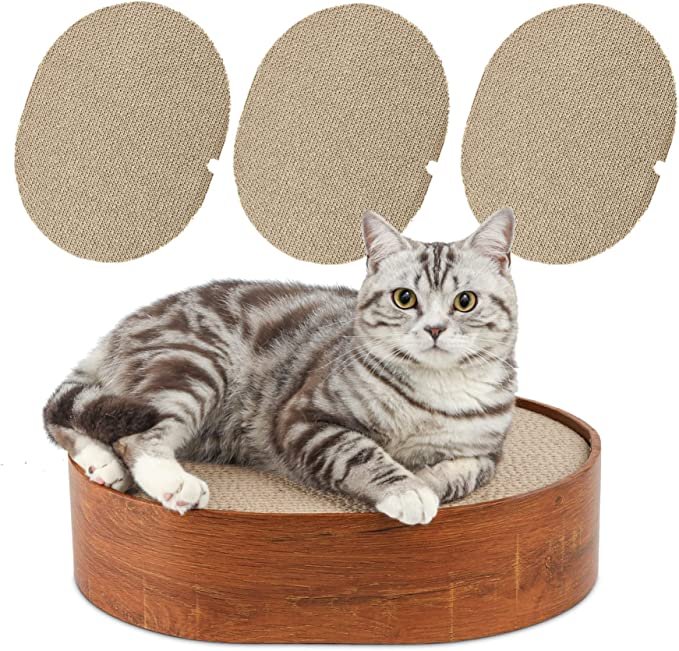
Providing your cat with plenty of places to climb and sharpen their claws is both essential to their quality of life and the best way to prevent damage to your furniture. If you don’t like the look of a cat tree, cat shelves are a nice alternative. Cat shelves provide a great way for feline friends to exercise, play, and lounge in elevated spaces, while also saving floor space. Plus, they can be pretty cool looking and might be better suited to go with your decor than a cat tree.
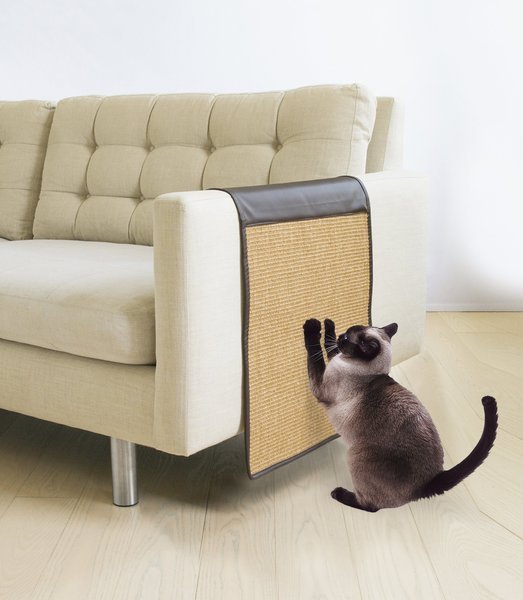
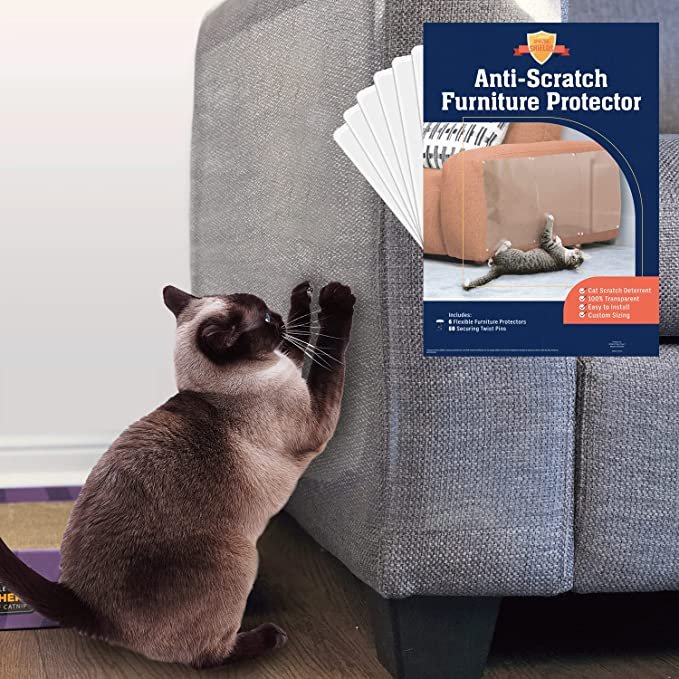
It’s also a good idea to be proactive and go ahead and put some protection on any nice upholstered furniture. I highly recommend using clear plastic couch protector sheets that are only sticky on one side. I used protector sheets that were sticky on both sides when I first got my cats because I thought they would work better, but they ended up covered in cat hair.
LITTER BOXES
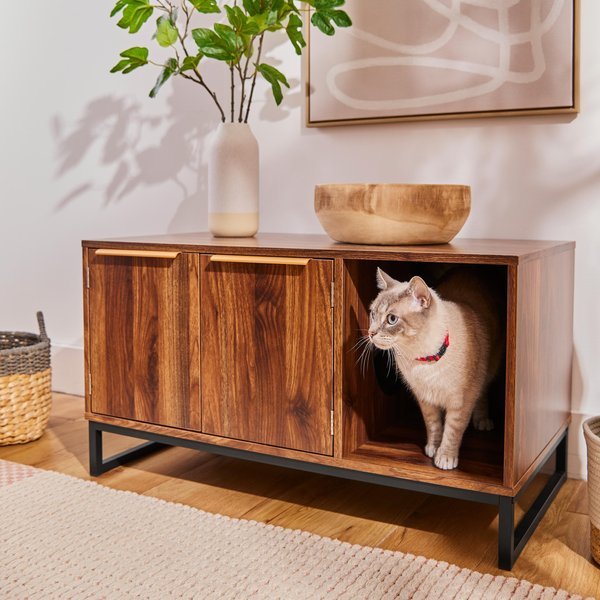
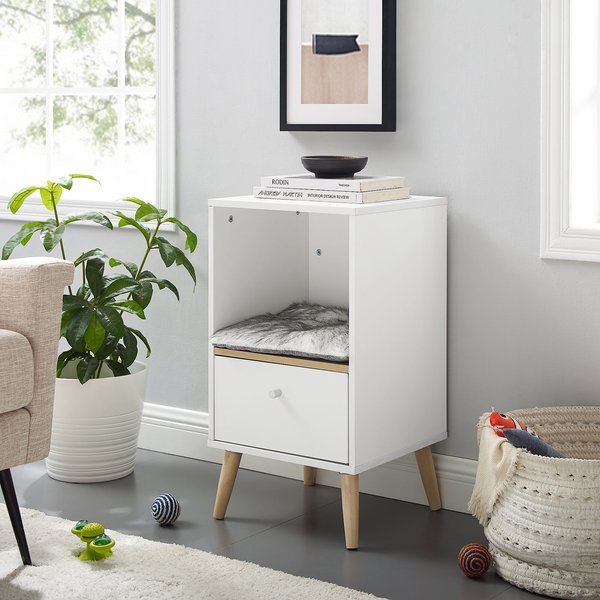
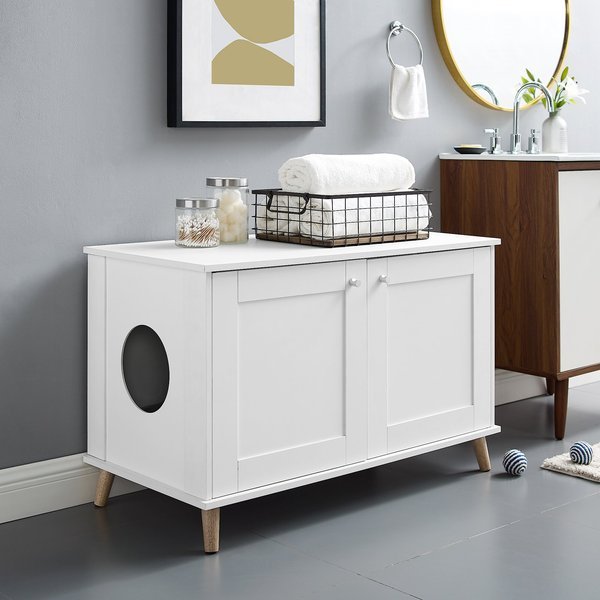
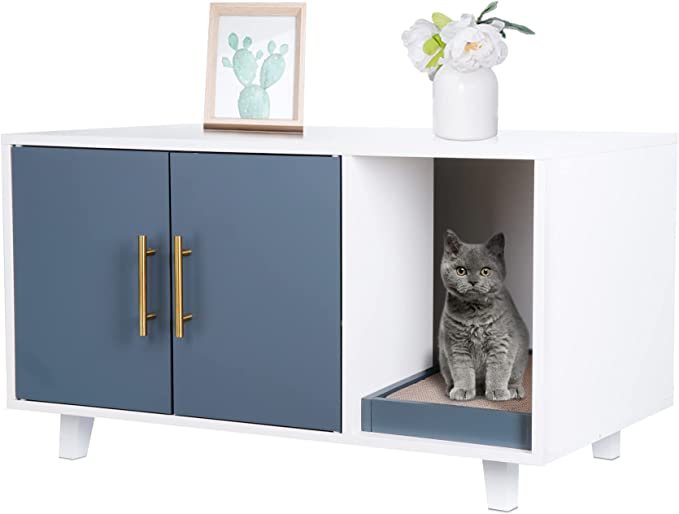
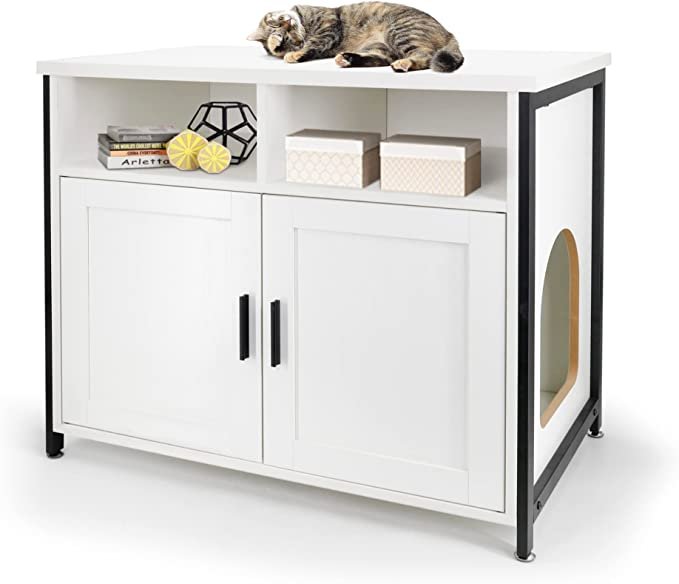
If your space doesn’t have a place for a litter box that’s out of the way, one good option is concealing the litter box with a cabinet. Litter box enclosures are made specifically to blend in with your space, and open like a cabinet for easy cleaning. Plus, the extra steps between the litter box and the floor means significantly less litter making it to your floors.
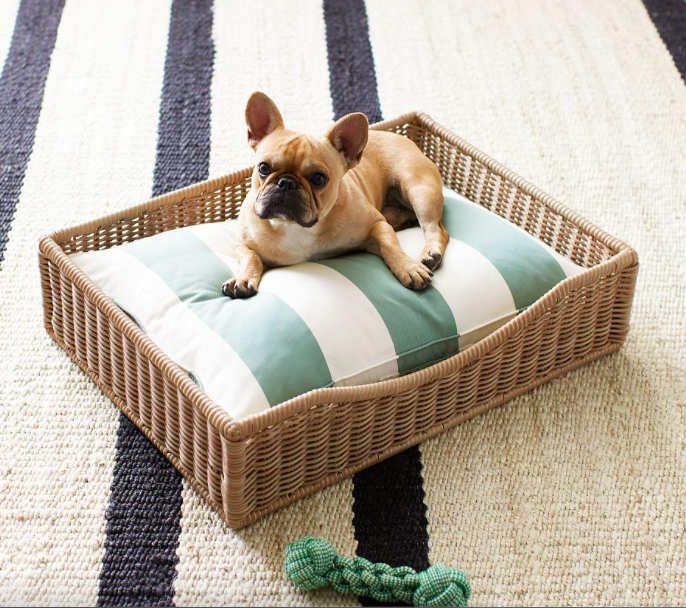
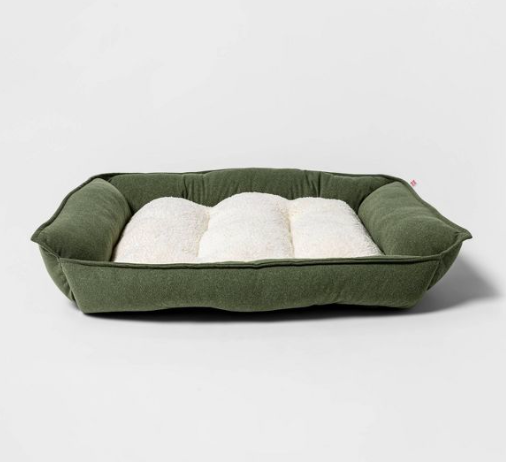
BEDS

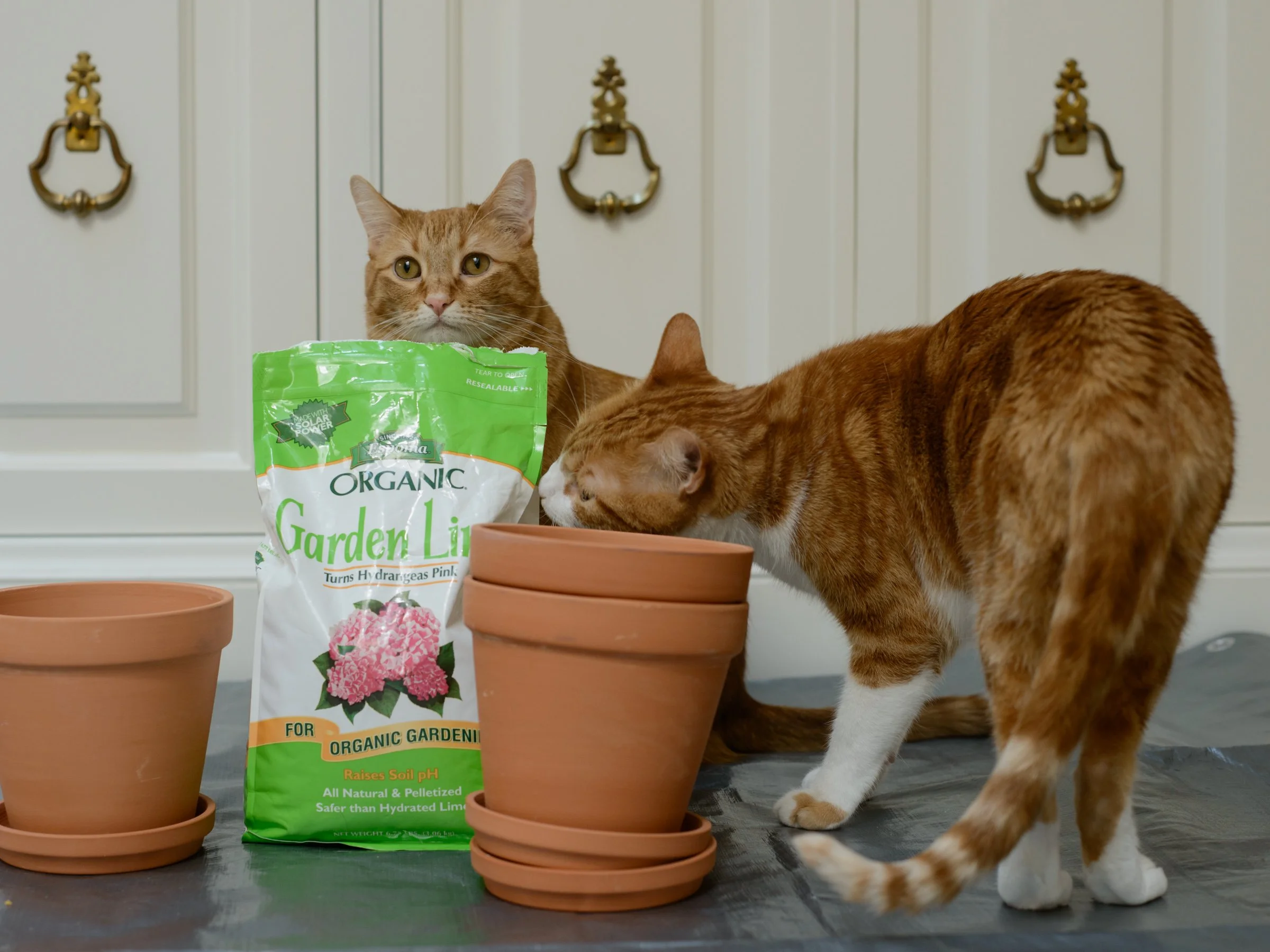
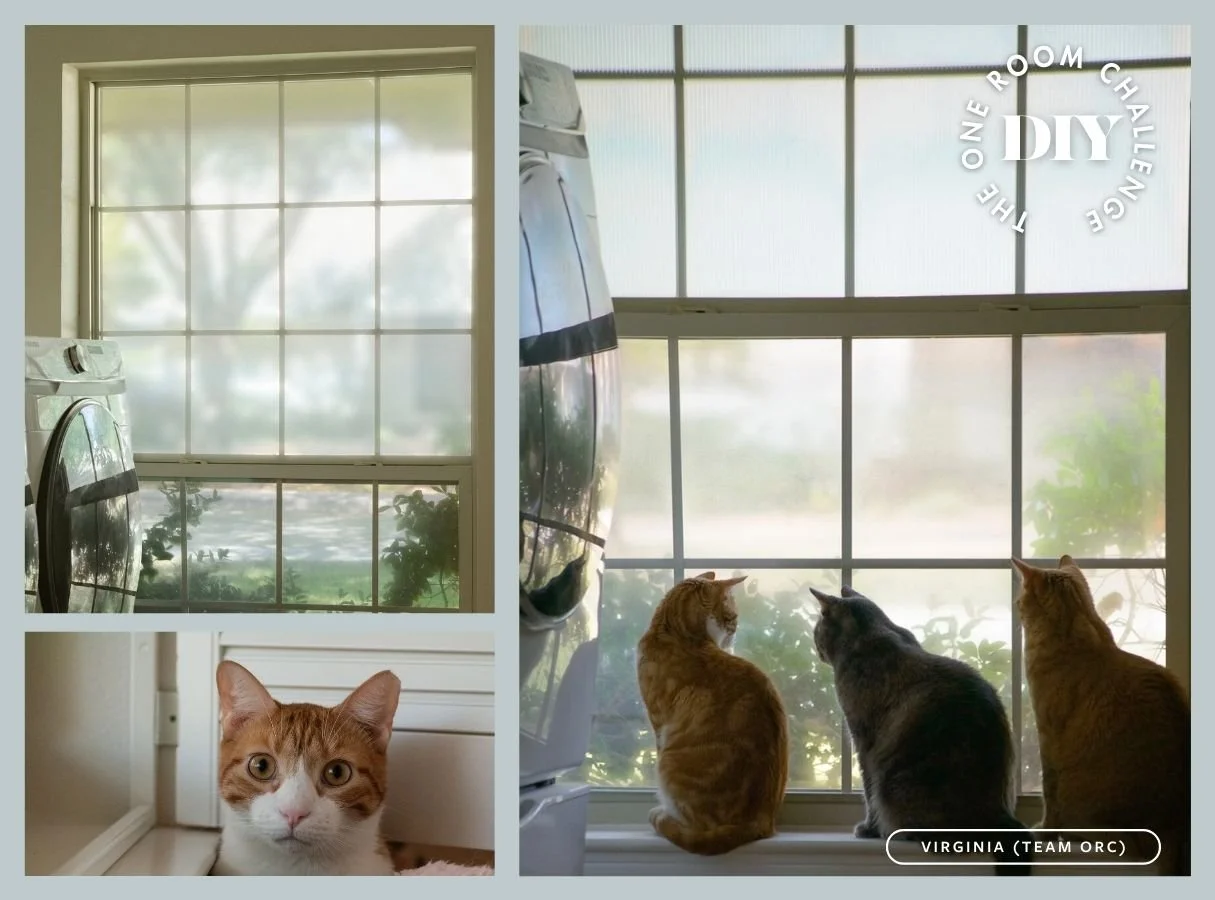
Maisy (gray) and Hamish (orange), the author’s cats
Some of the most satisfying home improvements are the tiny ones that take less than an hour but somehow never make it to the top of the to-do list.
Last week, on the very first day after the time change, I could already feel myself getting sluggish and blah as the sun started setting at 5:30pm. This year, I'm deciding to be proactive and set myself up for success, and I've learned some genuinely interesting stuff that I'm sharing here.
We're officially halfway through the fall '25 ORC, and wow, what a season it's shaping up to be! We've been absolutely loving watching everyone's progress unfold. In case you missed the first few weeks, here are just a few of the MANY highlights from this season so far.
Welcome back, now comes the fun part! It's time to use design to finish creating a dining space you'll enjoy. The aesthetic choices you make should support and enhance the functional plan you created in Part 1.
If your Instagram feed is anything like ours right now, you're probably drowning in jaw-dropping fall vignettes that look like they took a full weekend (and a small fortune) to create. Not everyone has Martha Stewart's budget or her team of stylists, though, and that's absolutely okay.
As we head into October and November, we're sharing our strategy for bringing seasonal charm into your home in an economical, thoughtful, and refreshingly low-effort way.
When it comes to creating a dining space, the most crucial (and the oft skipped) step of the process is figuring out how you actually live and how the space where you eat can fit or enhance your existing routines.
It is SO tempting to jump straight into decor, but unfortunately even the most beautiful dining room in the world won't serve you well if it doesn't match how your family actually eats, entertains, and uses the space.
When it comes to window treatments, there's an overwhelming number of options available, each with its own benefits and best-use scenarios. Let's break down every major type of window treatment, when to use each one, and how to choose what's right for your space.
Luckily, you don't need to learn a bunch of technical terms. You just need to know which paint works for your project so you don't have to repaint your kitchen cabinets in six months. Let's figure out paint together, shall we?
You might discover, like I did, that a handful of well-chosen smart devices can quietly handle life's little annoyances without turning your home into a complicated tech project.
Although I'm staunchly anti-popcorn ceiling, I am willing to admit that they have exactly one thing going for them: their sound dampening ability.
The past few decades of interior design trends have indeed been steering us towards an acoustic nightmare, trading the sound-absorbing qualities of our homes for sleeker, shinier hard surfaces.
If your home has a bad case of “boring hallways,” fear not! There are so many ways you can make them feel just as special as every other room.
We were so excited to see so many community members interested in tackling mini projects. With help from ORC folks on Instagram, we’ve put together this mini project guide that should answer any questions and give you lots of ideas.
Think you don’t have space for a garden? Think again. Container gardening makes it possible to grow flowers, herbs, and even vegetables just about anywhere—balconies, patios, windowsills, or tucked into a corner of your yard.
Looking to go green? Green continues to be one of the most versatile and beloved colors in interior design. There are so many gorgeous shades, though, that it can be difficult to know where to begin choosing the best green for your space.
Creating faux wallpaper with a stencil and paint is drastically cheaper than wallpaper, and it’s completely customizable. If your interest is piqued, here’s what to consider before you start.