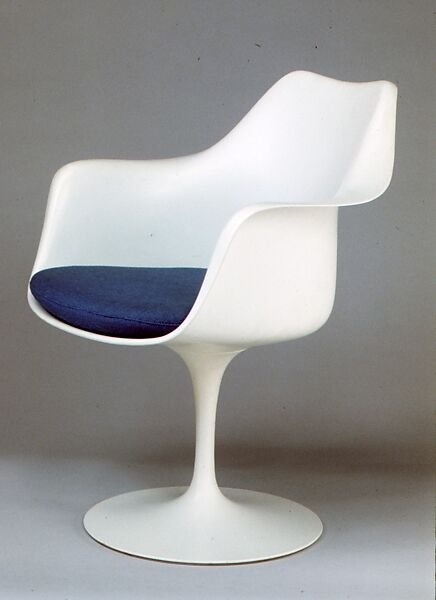

What Makes Mid-Century Modern So Great
STORY BY VIRGINIA BESHEARS
It’s almost impossible to overstate how influential the mid-century modern movement has been for interior design, product design, architecture, and graphic design. More than 70 years later, mid-century modern furniture and decor are staples. Reproductions and MCM-inspired pieces are everywhere, and original pieces sell for thousands at auction.
So, what exactly is mid-century modern? And why does it have such a hold on us all?
Spoiler alert— its iconic status is well deserved, and it’s not going anywhere.
WHAT IS IT, AND HOW TO SPOT IT
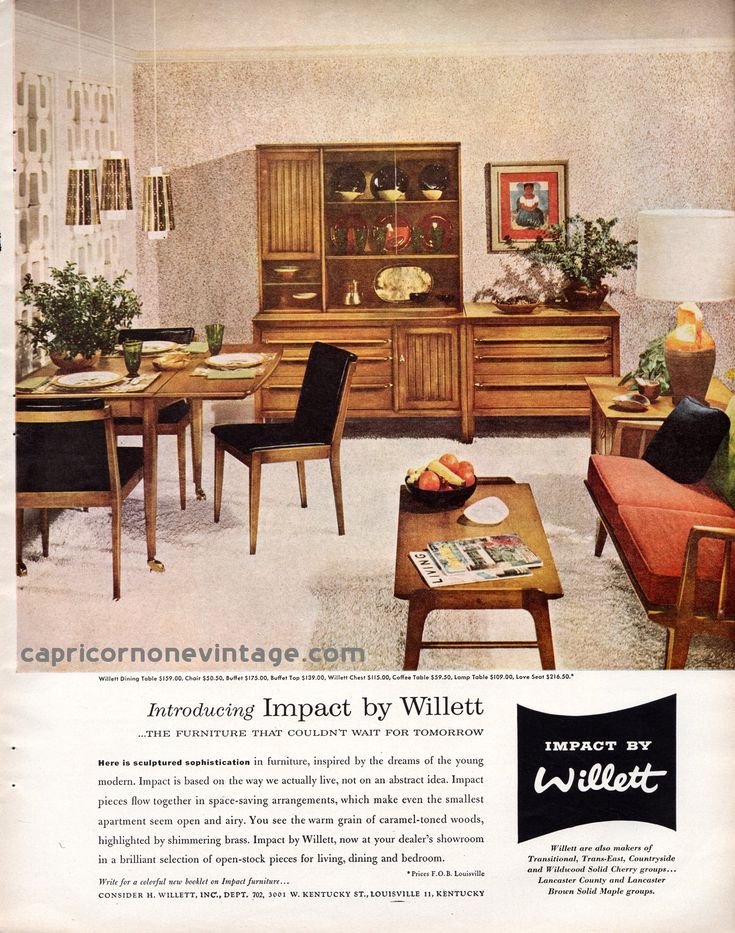
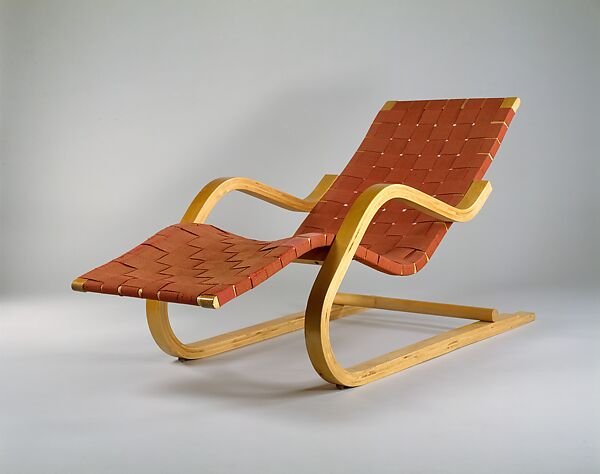
The rise of mid-century modern occurred when, following the end of World War II, young American families were moving to the suburbs. Itching to put the war behind them, they were ready for a new, futuristic aesthetic. The most prominent designers of the original MCM movement believed in marrying mass production with an artistic spirit, and making beautiful, well crafted decor more accessible.
Once you know the basic principles of mid-century modern design, it’s easy to spot both true MCM and MCM’s influence.
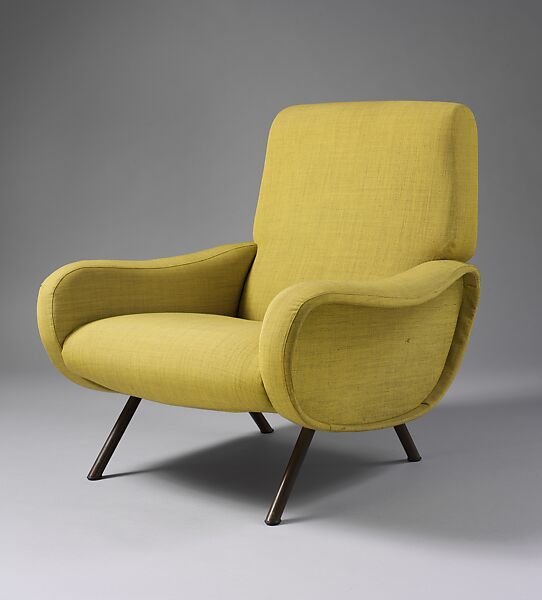
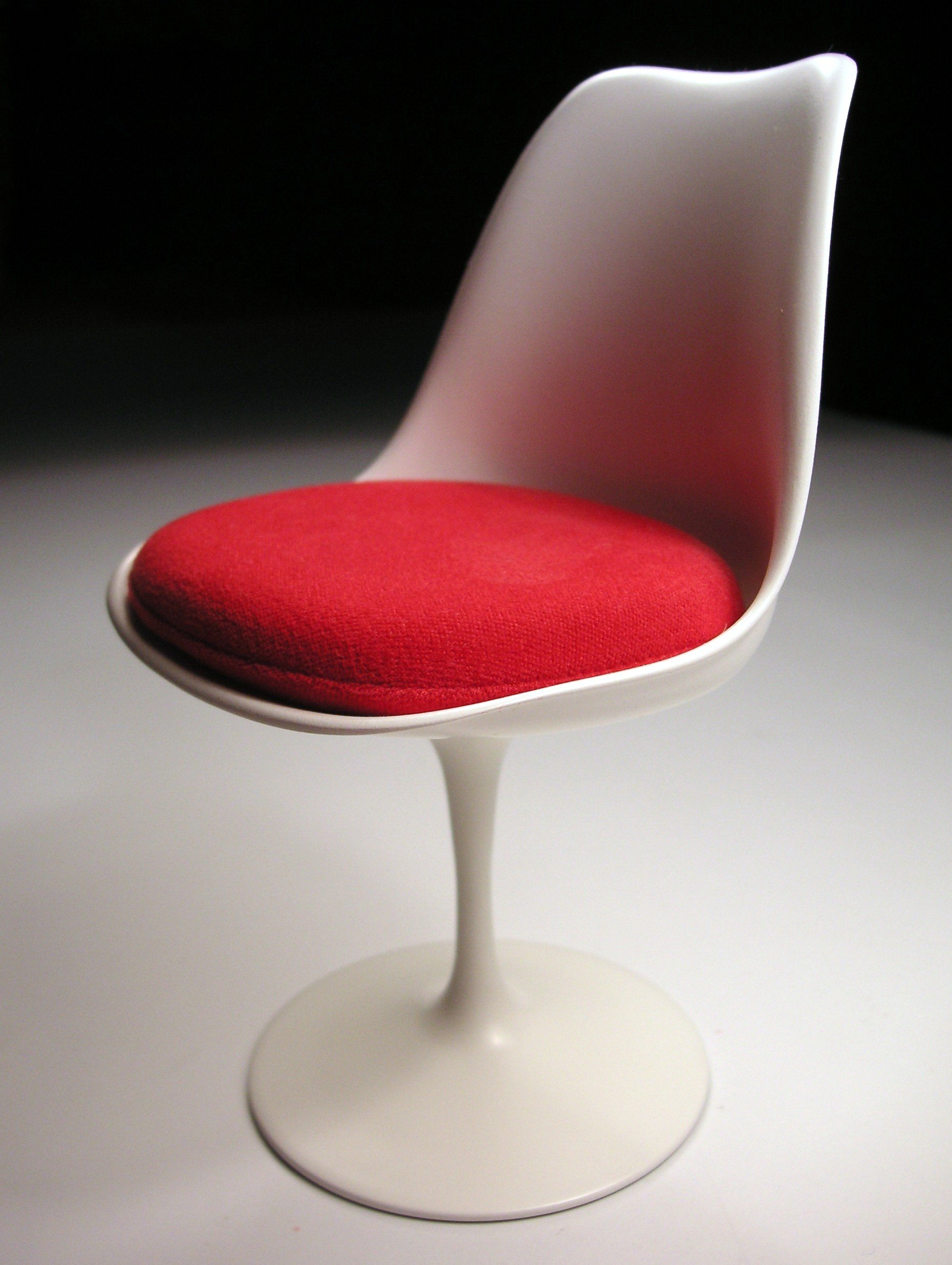
Mid-century modern design is clean and straightforward. It is decidedly un-frilly, instead drawing its beauty from practicality, clean lines, and organic forms.
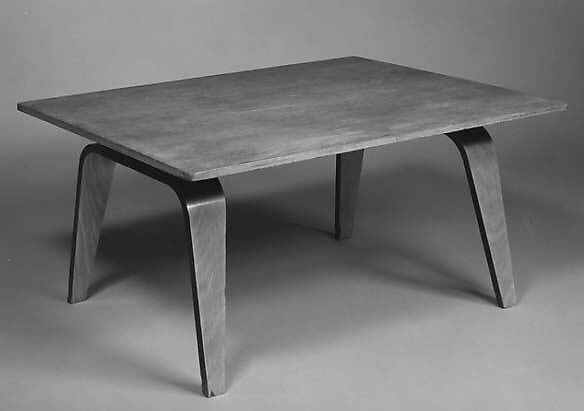
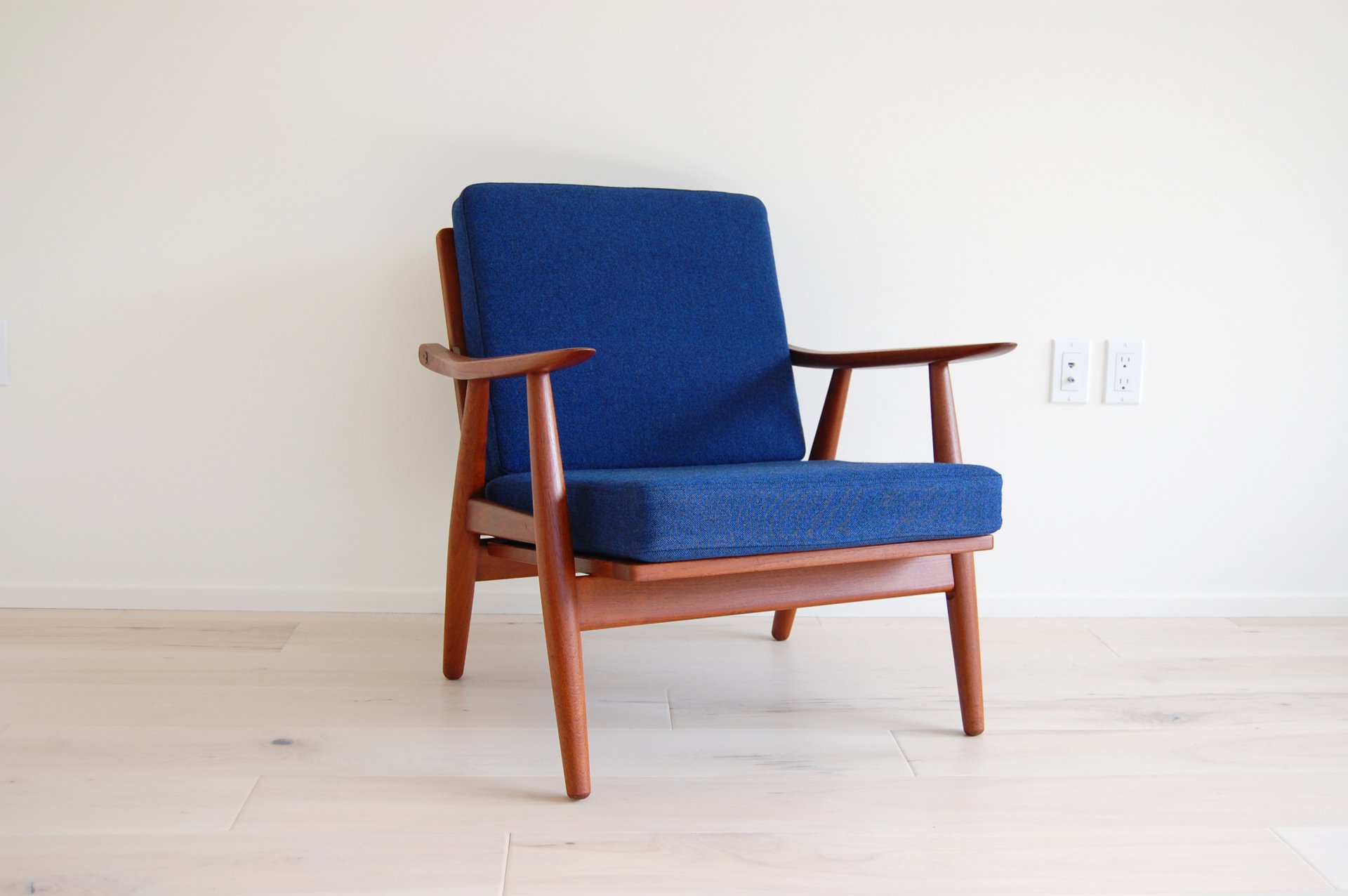
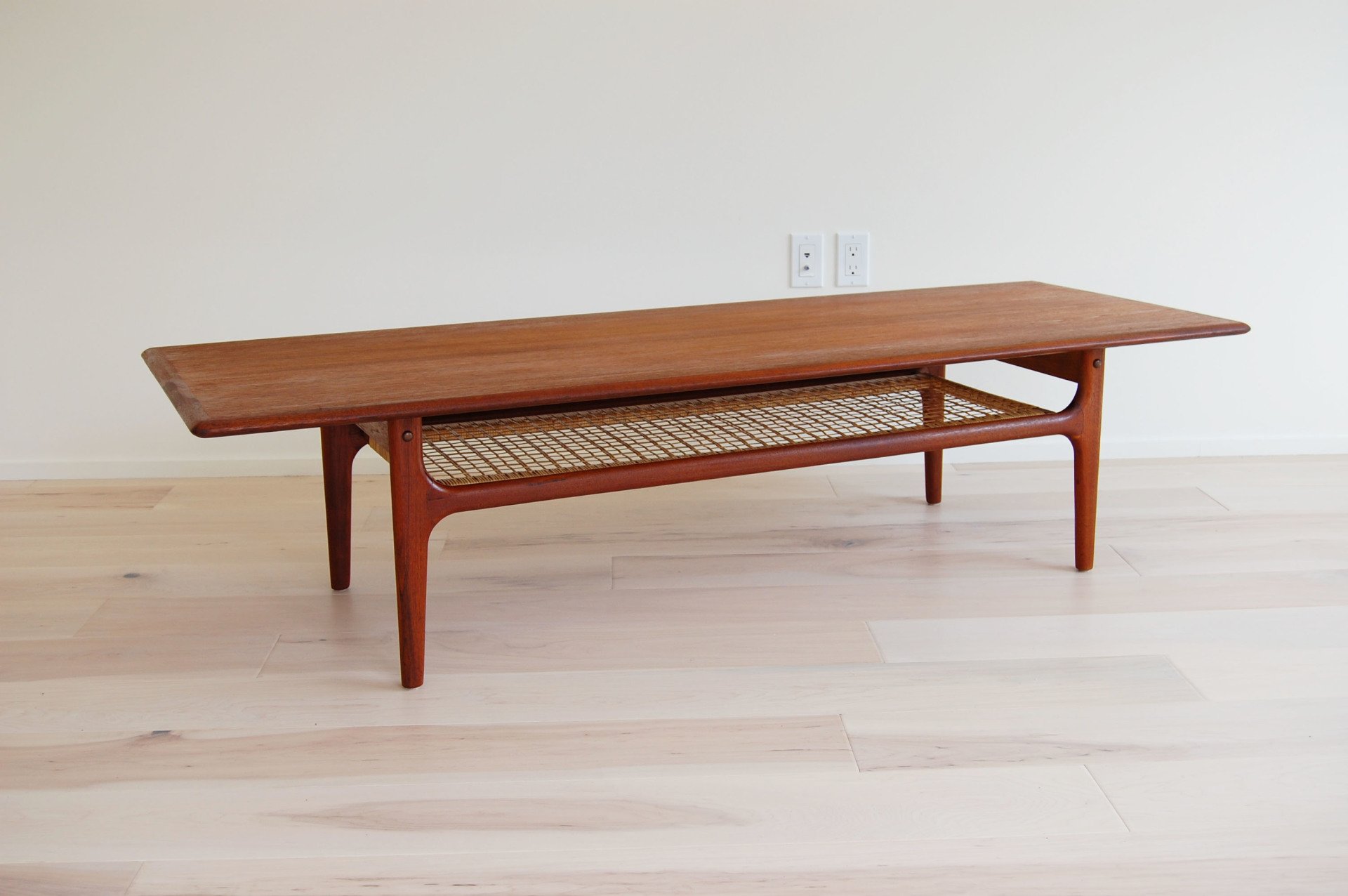
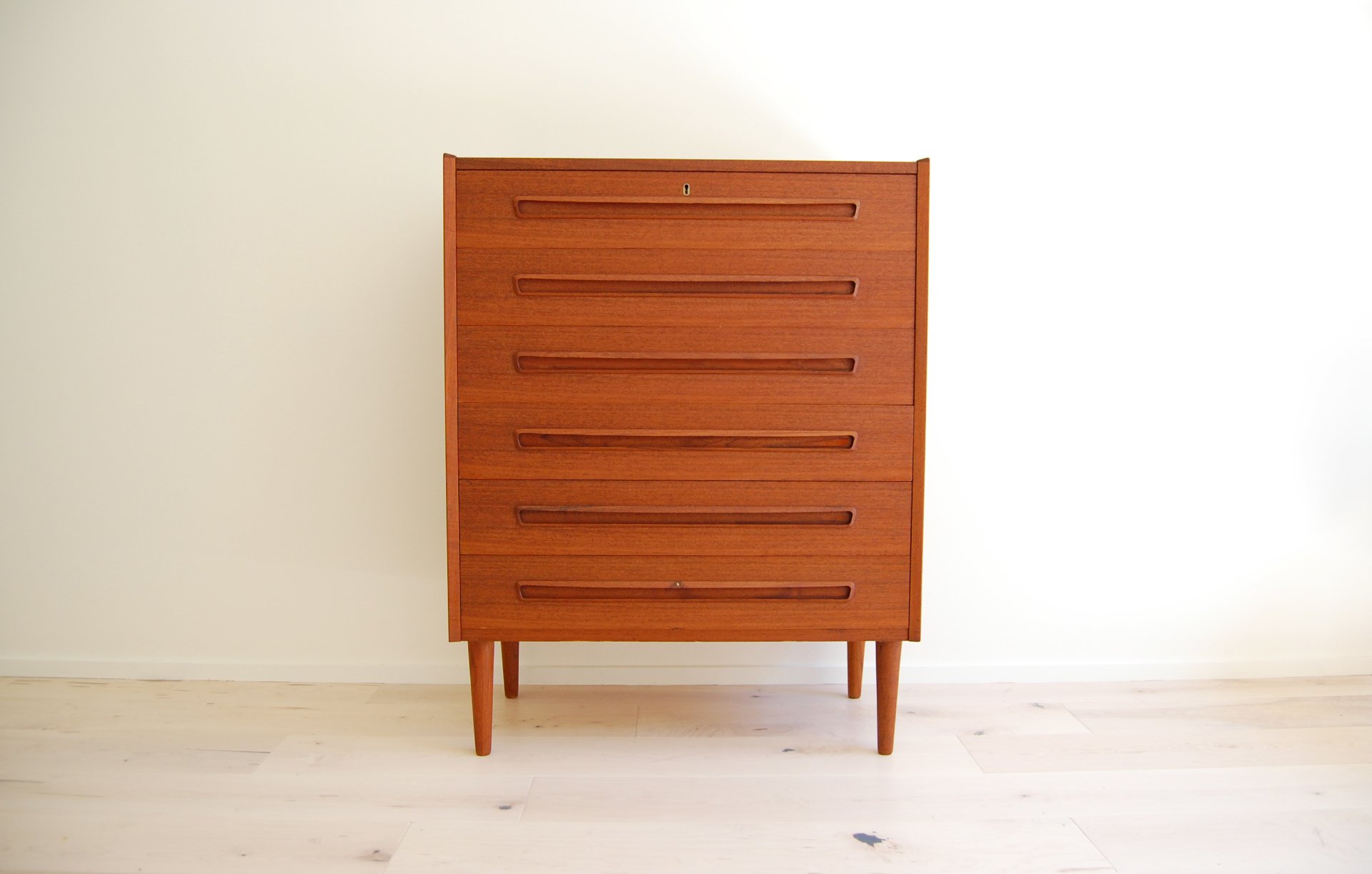
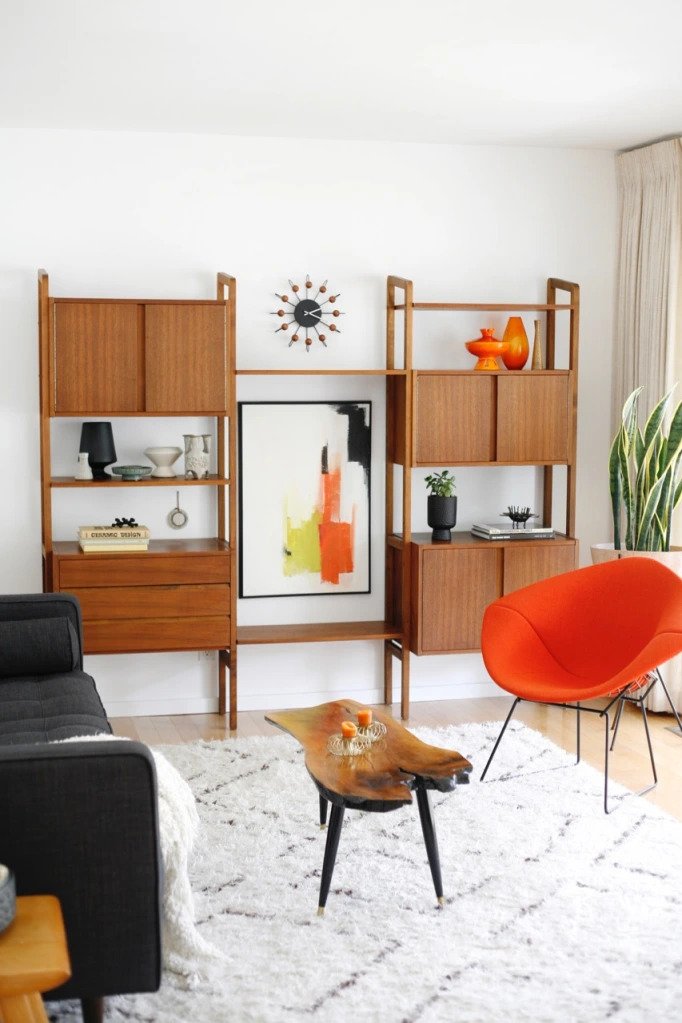
Mid-century modern design is not to be confused with modern design, which is characterized by a completely industrial, utilitarian look. Mid-century modern design, by contrast, is full of life and character despite being minimalistic and practical, due to the founding belief that an artistic spirit can and should be visible even in simple mass-produced items. Teak and rosewood are hallmark MCM materials due to their warmth and liveliness.
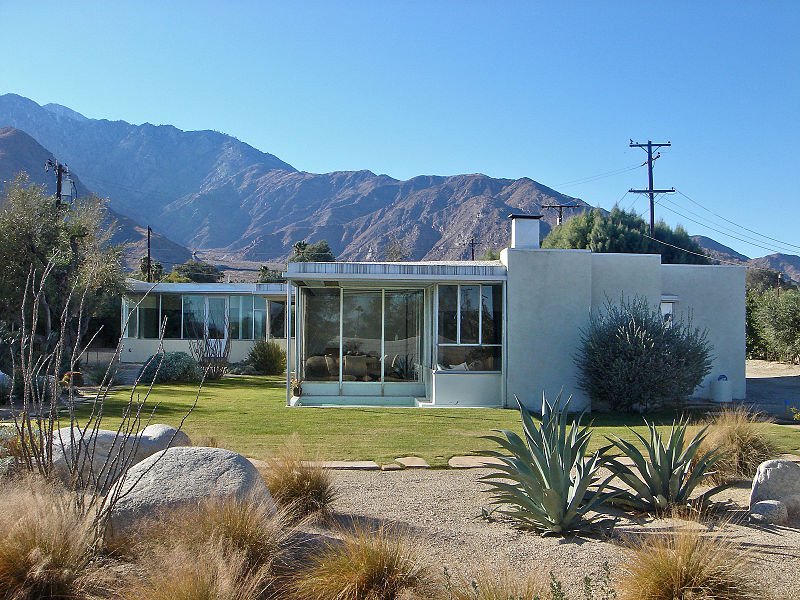
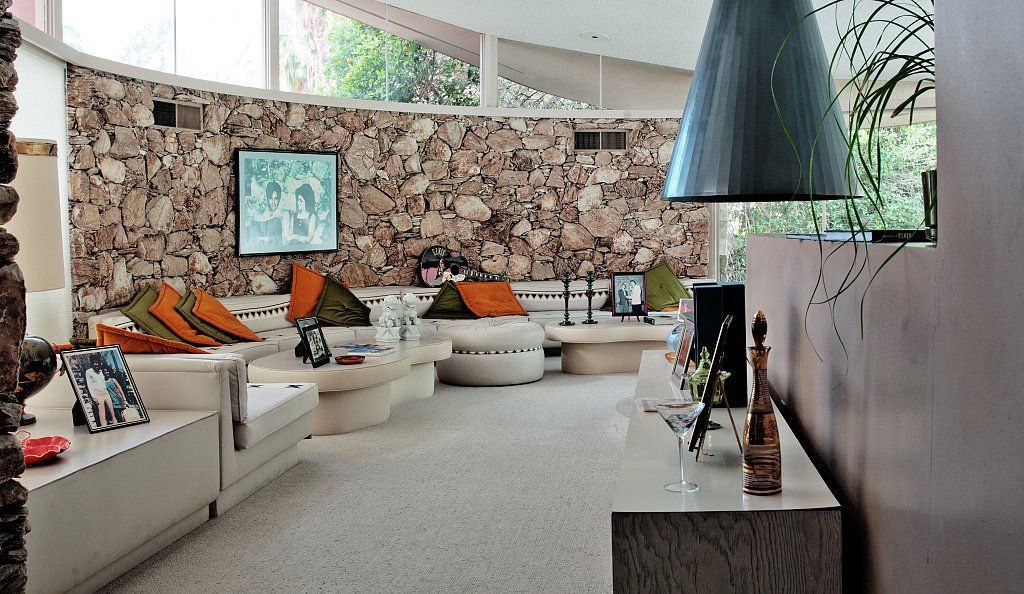
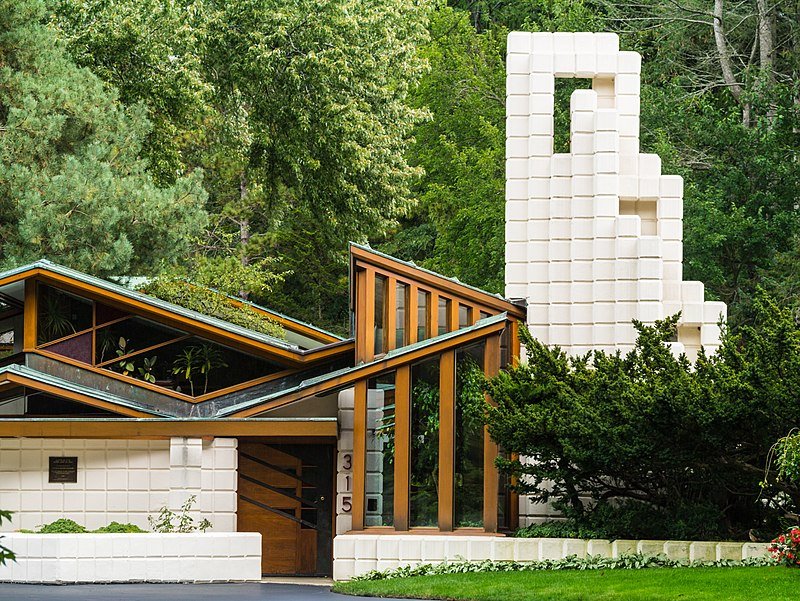
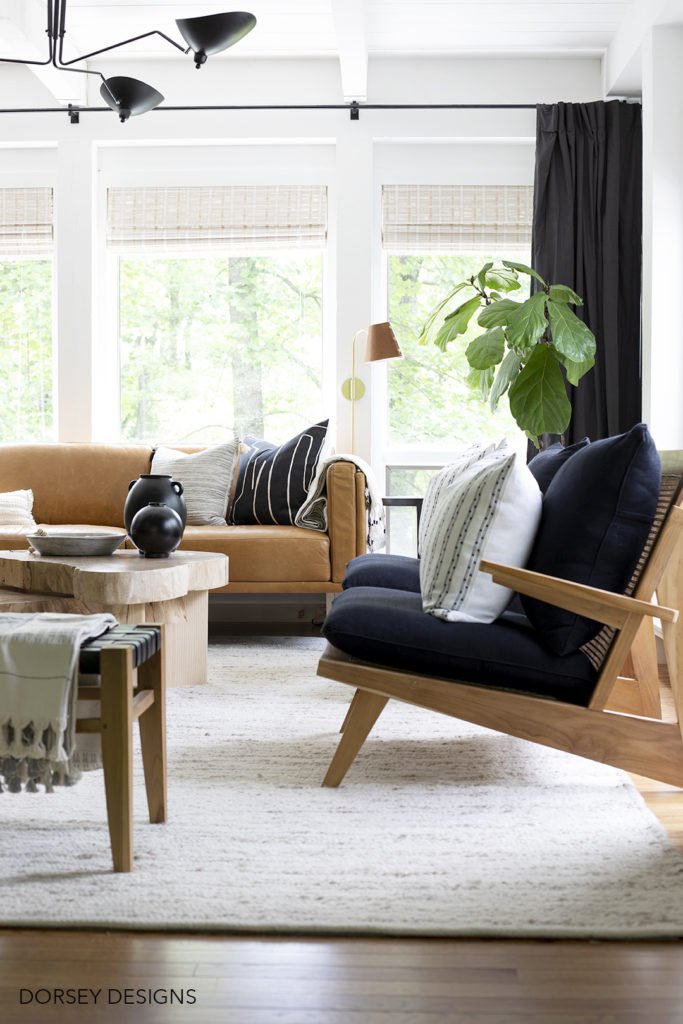
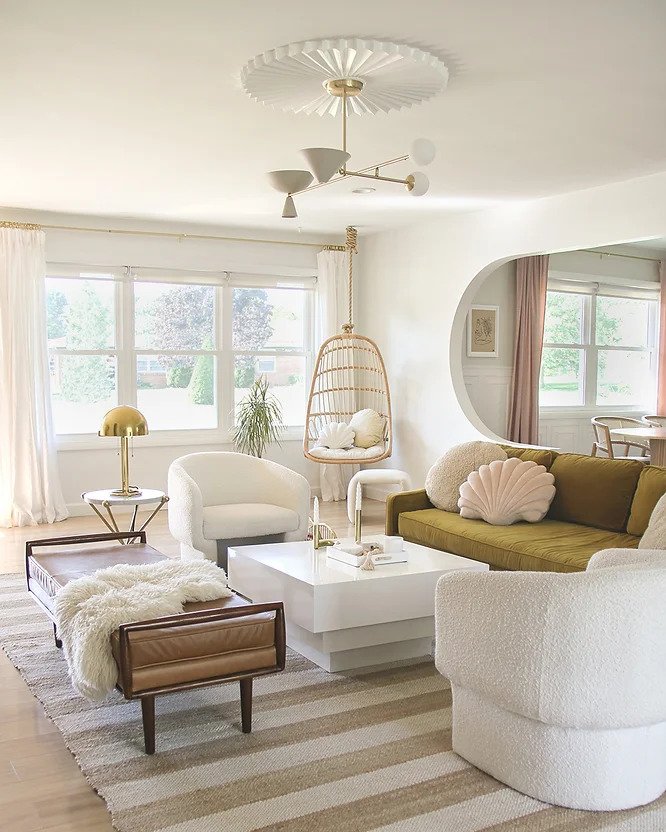
Mid-century modern architecture is especially distinct. It seeks to integrate with nature through use of organic materials, open floor plans, and windows galore.
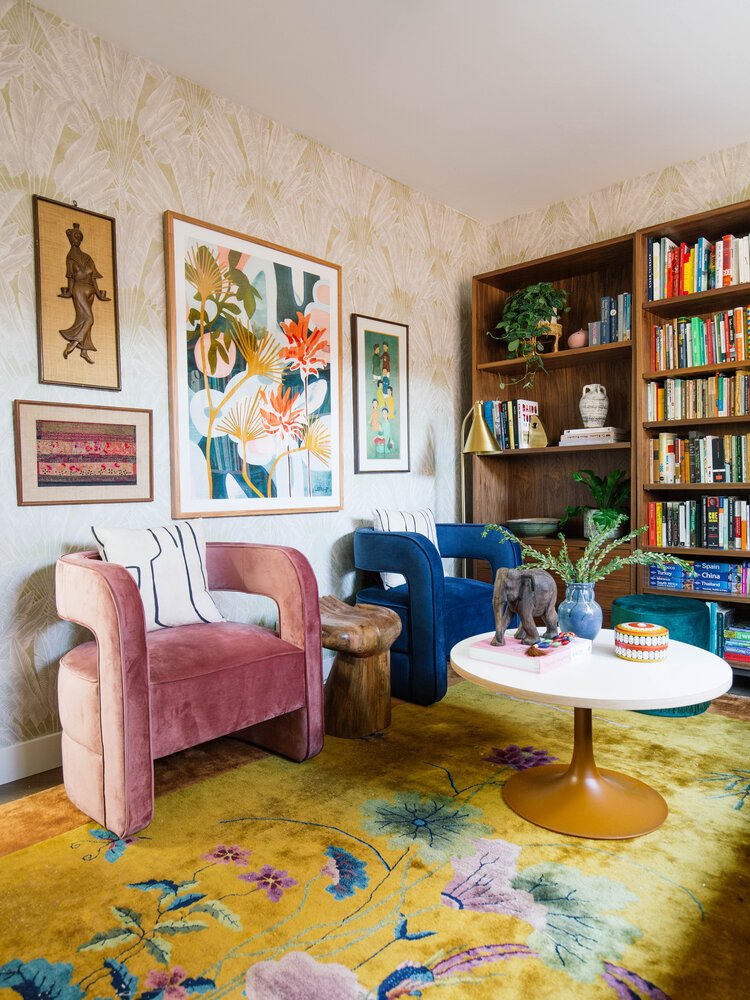
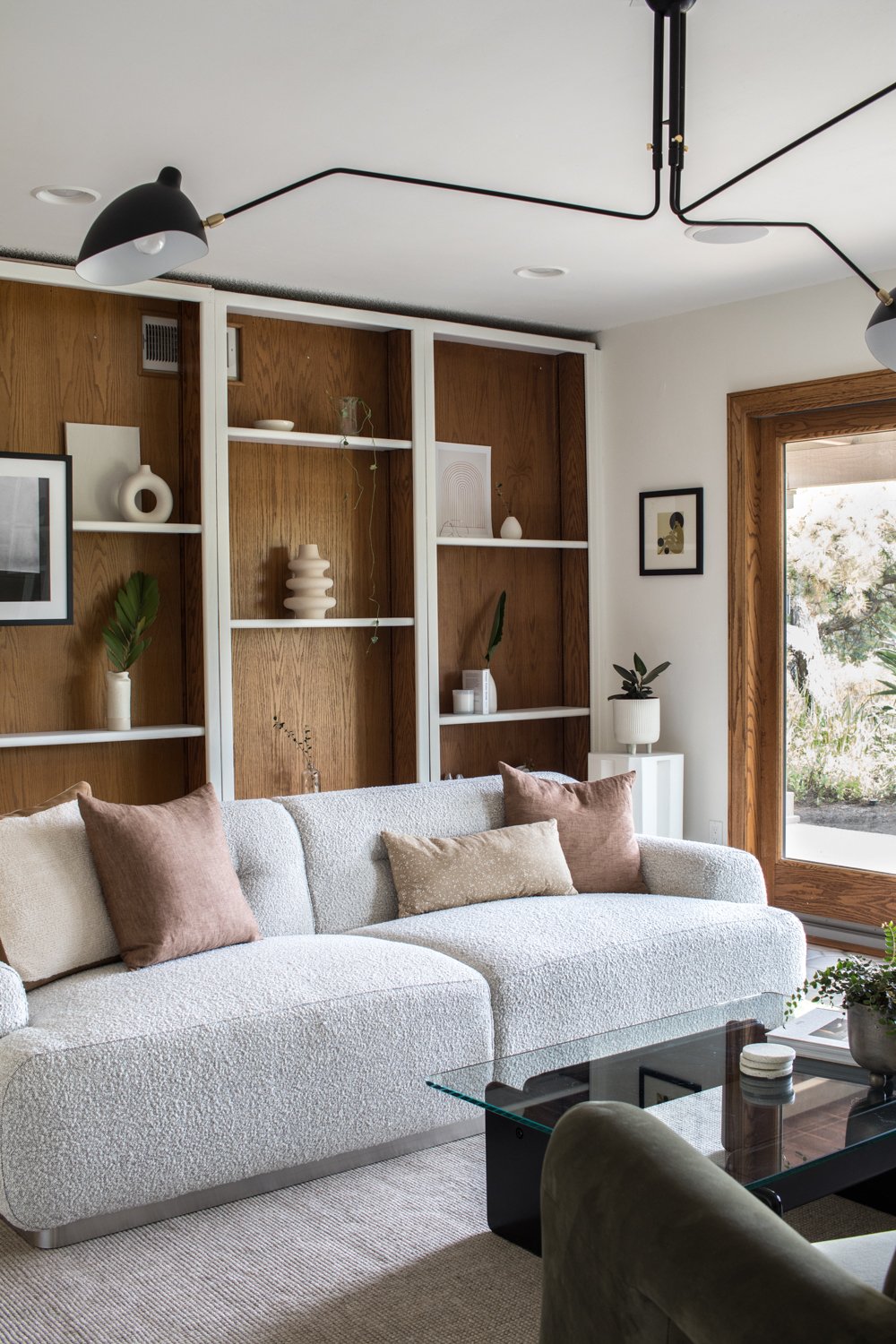
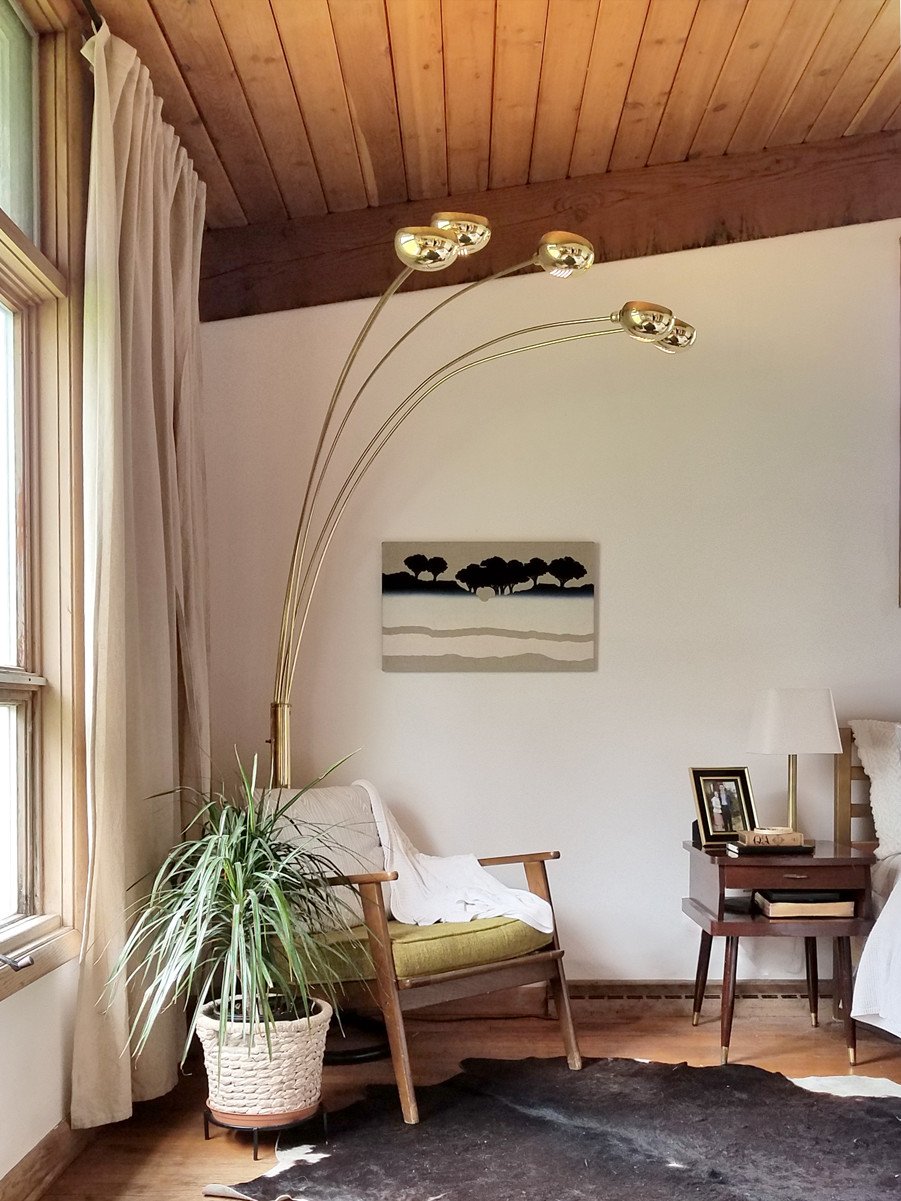
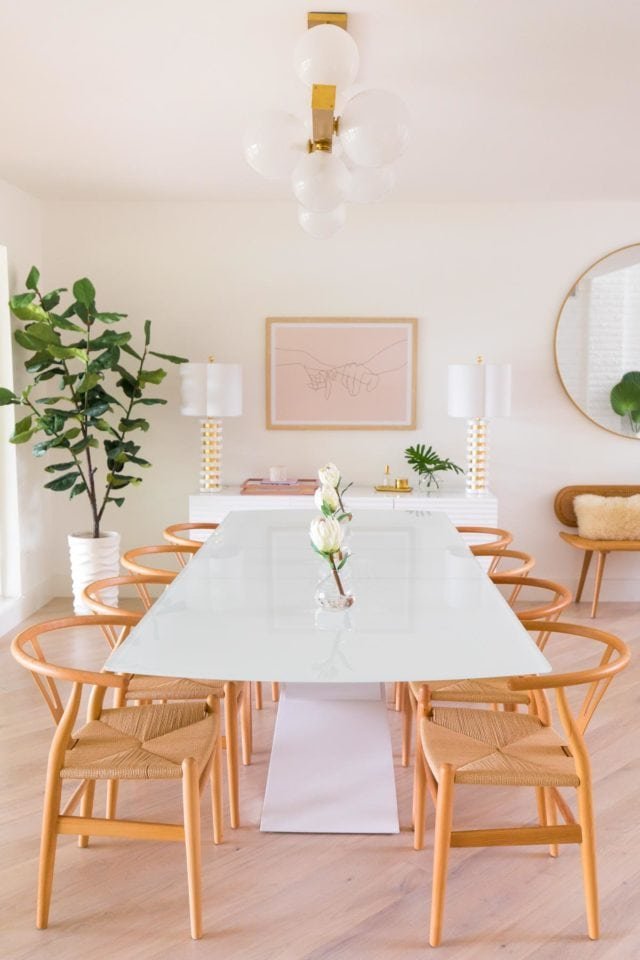
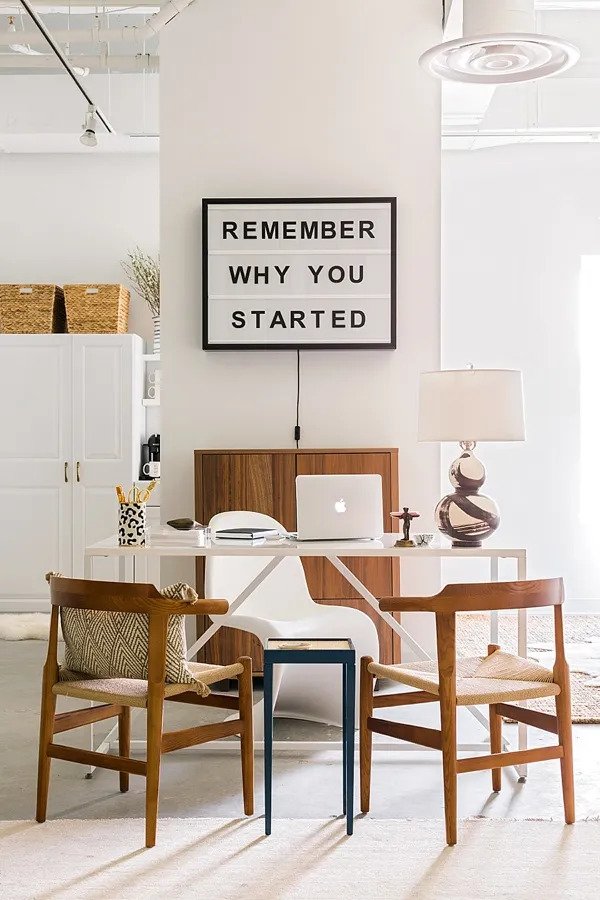
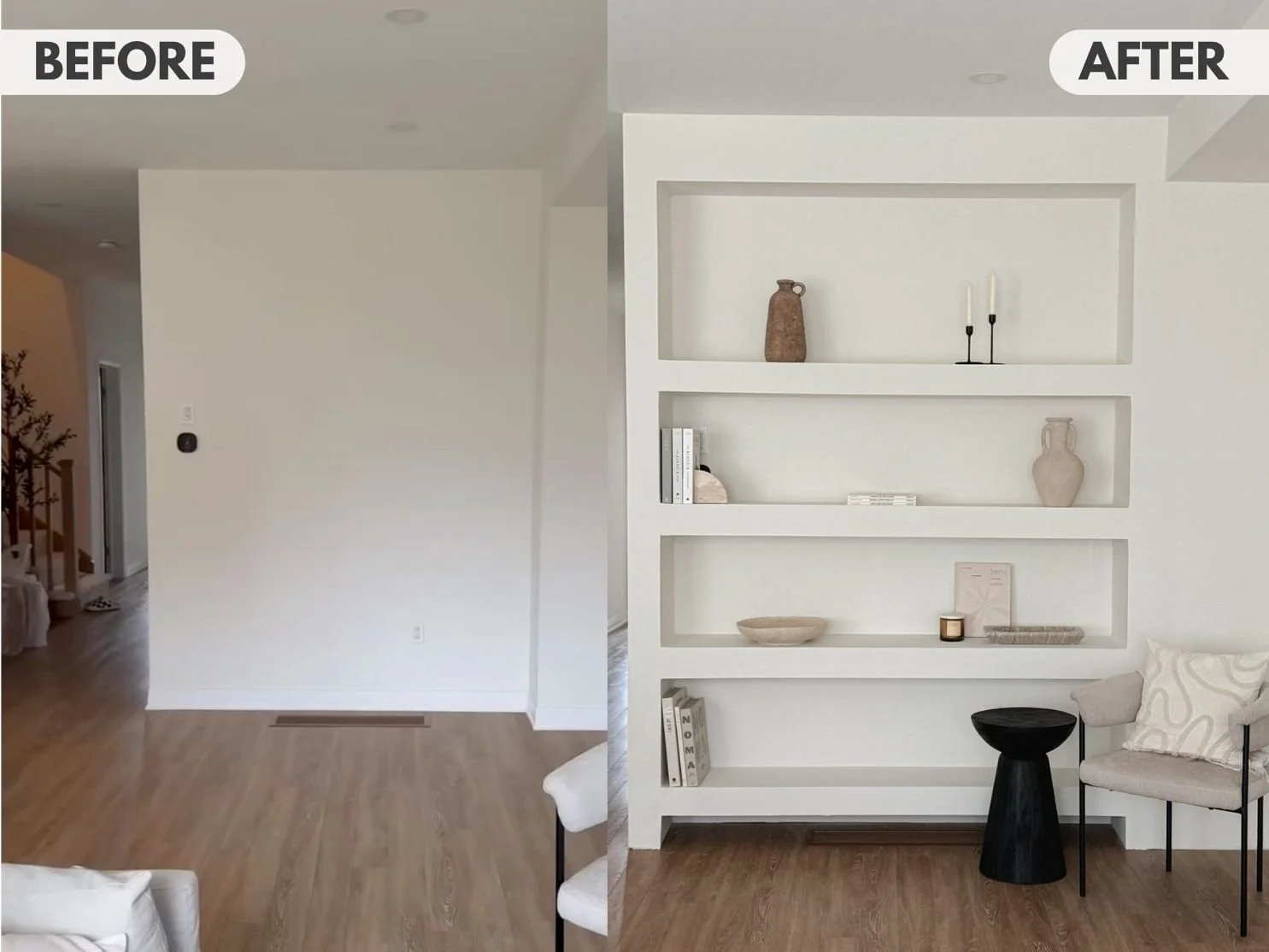
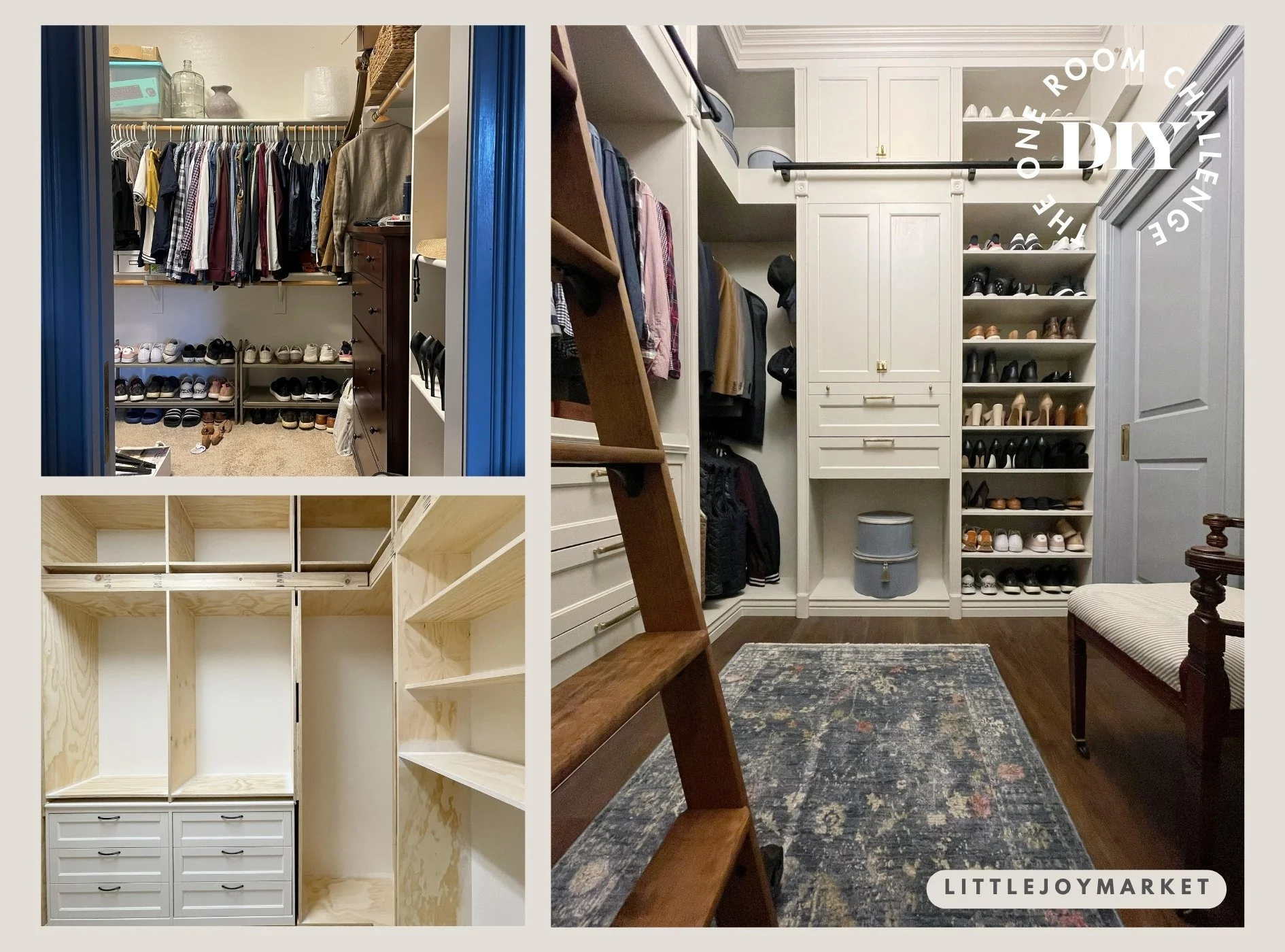
MID-CENTURY MODERN IN PAST ORC PROJECTS
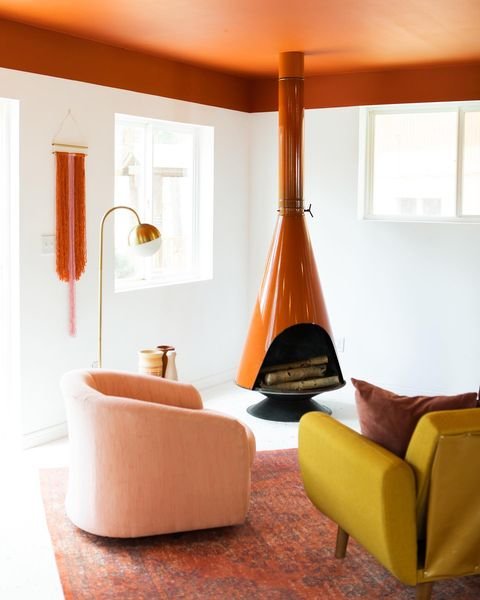
WHAT MAKES IT GREAT
So, why are we still using mid-century modern decor more than half a century later?
The ideology and intention behind MCM design is a huge part of its longevity.
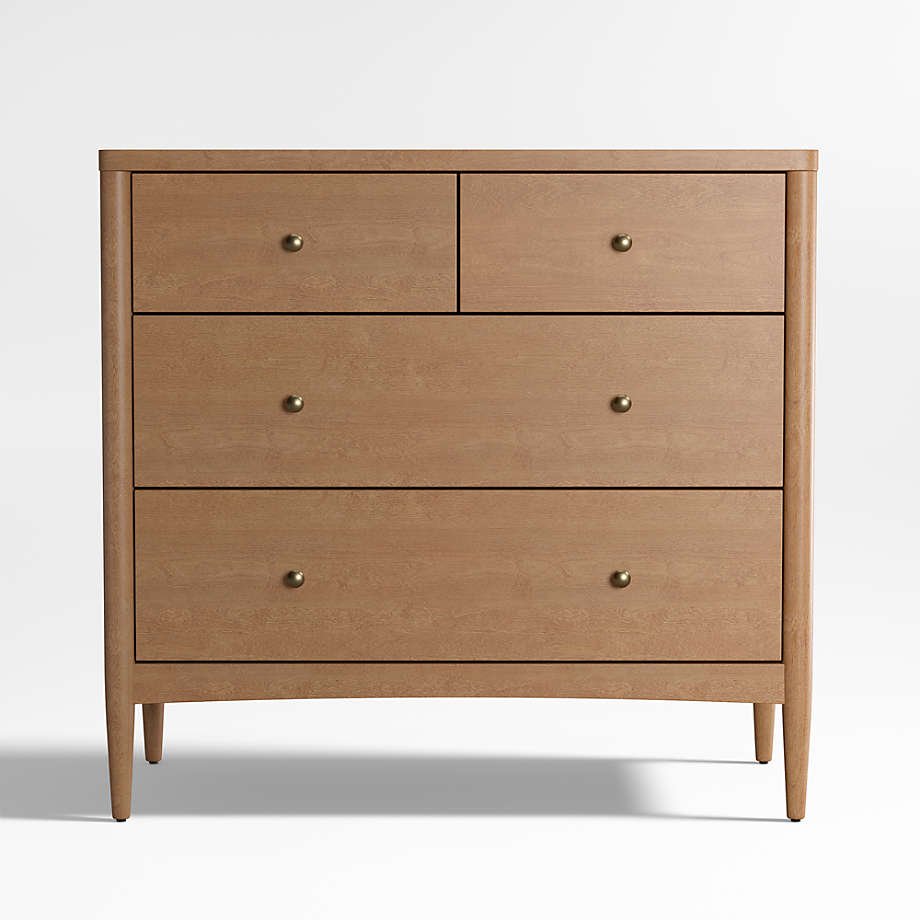
Mainly, mid-century modern design was founded on accessibility, and bringing beauty and function into every home. MCM pieces are works of art in and of themselves. You don’t have to be a design pro to make one look great in your space. An MCM dresser or coffee table is a smart investment for a first apartment or house. MCM furniture will mix well with every design phase you go through, and it will truly never go out of style.
WHERE TO FIND MID-CENTURY MODERN
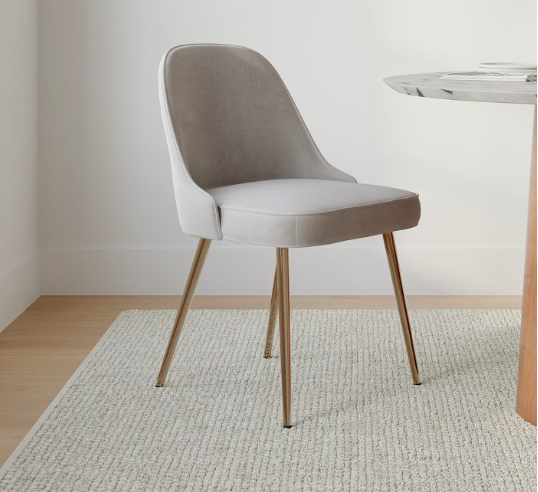
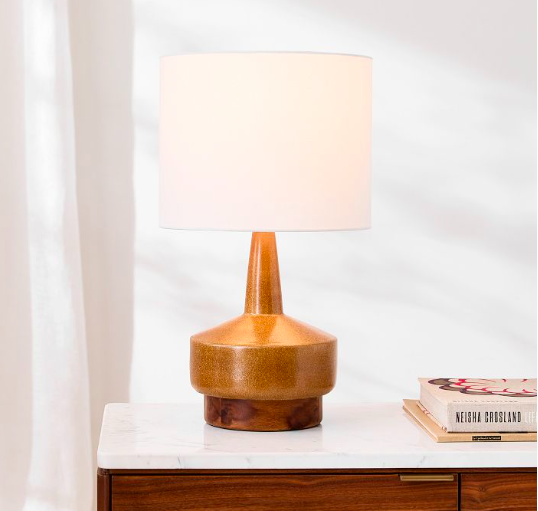
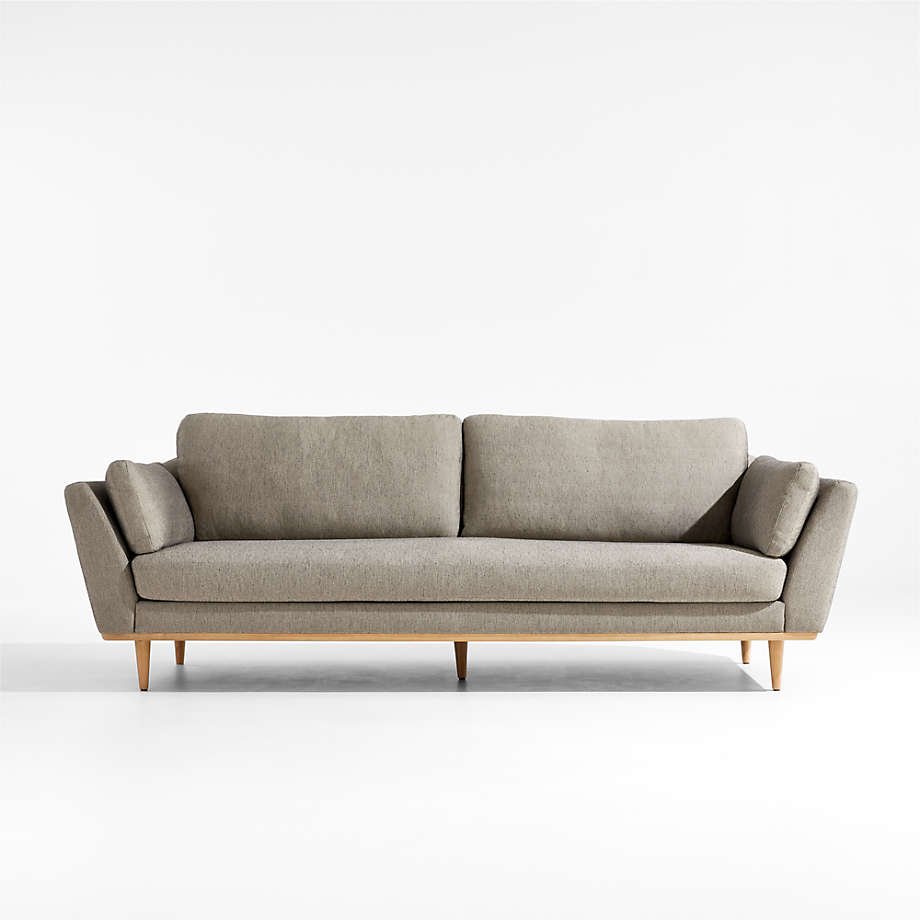
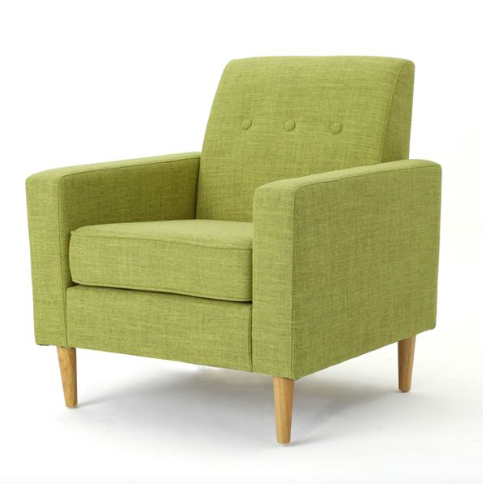
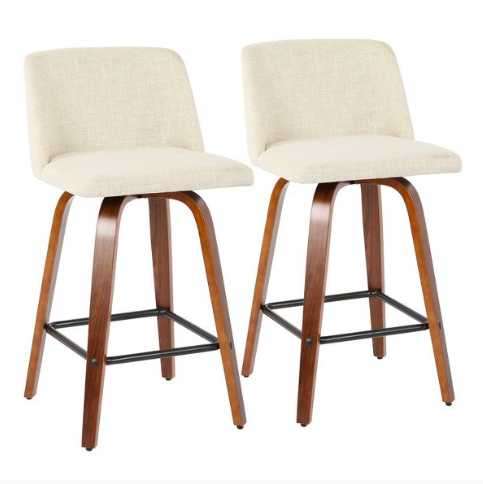
Beautiful, high quality mid-century modern reproductions are available at West Elm, Target, Wayfair, and Crate & Barrel.
If you’re looking for an original mid-century modern investment piece, try looking at Chairish, Etsy, or First Dibs.
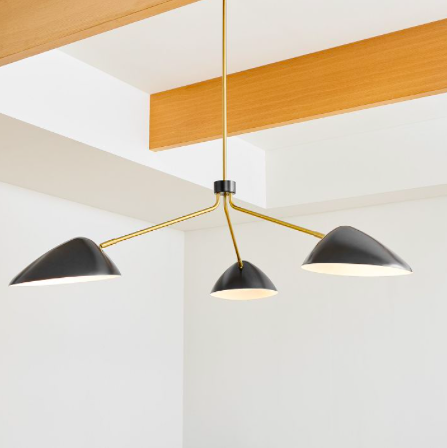
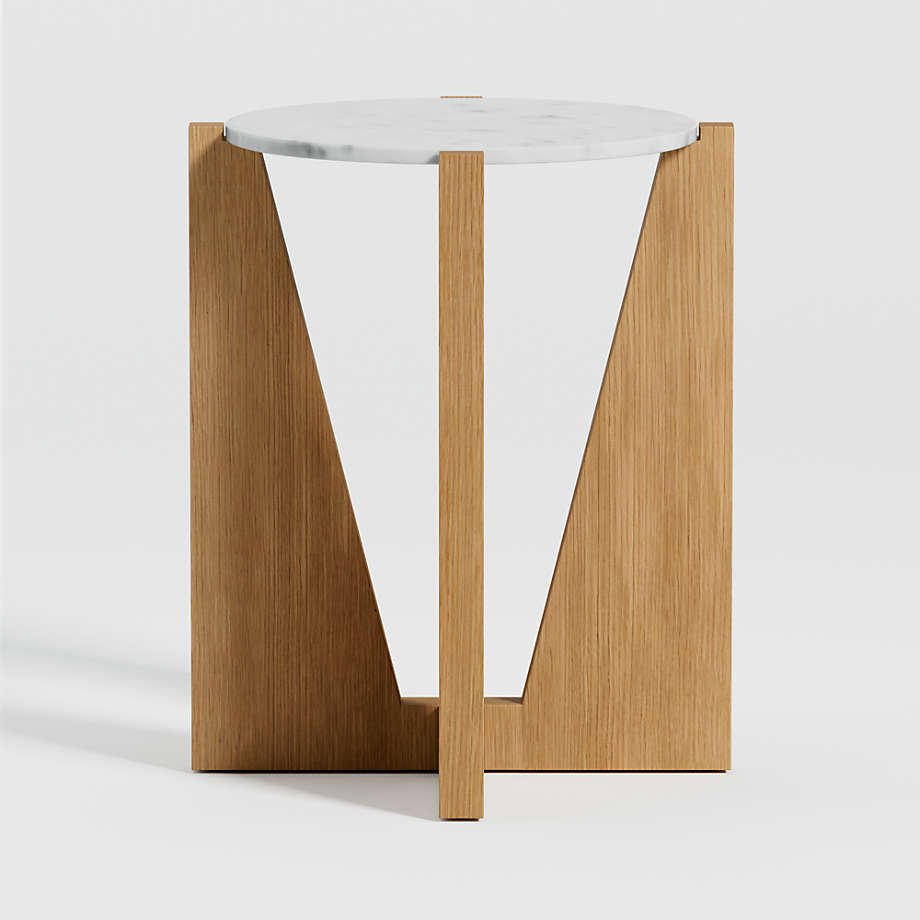
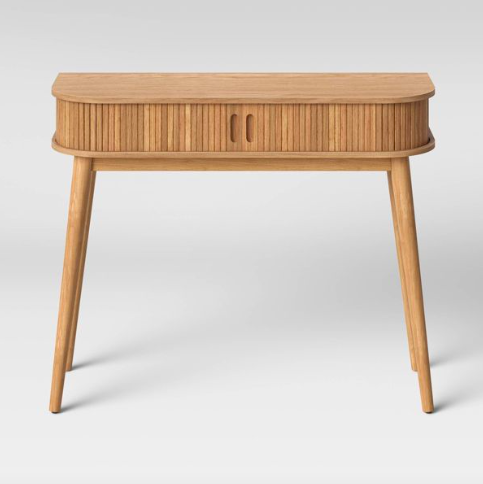
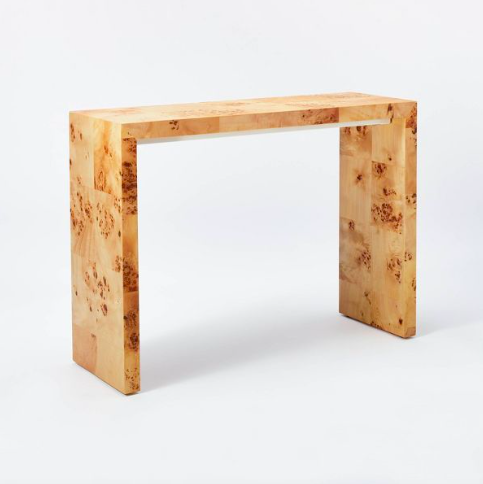
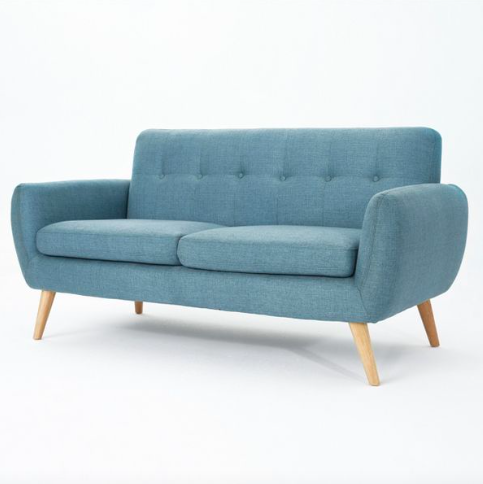
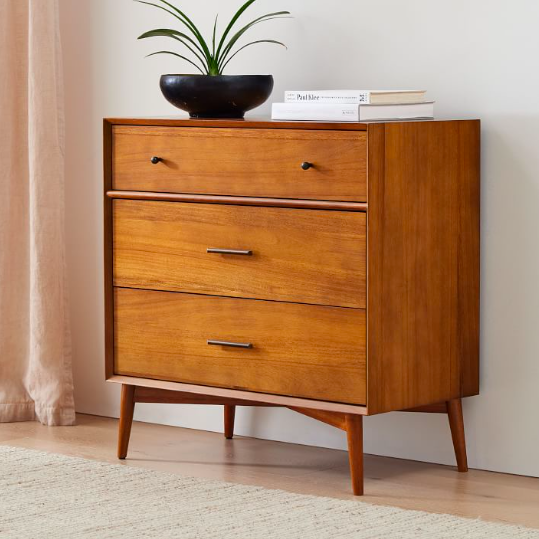
Below are some of our favorite MCM finds.
Some of the most satisfying home improvements are the tiny ones that take less than an hour but somehow never make it to the top of the to-do list.
Last week, on the very first day after the time change, I could already feel myself getting sluggish and blah as the sun started setting at 5:30pm. This year, I'm deciding to be proactive and set myself up for success, and I've learned some genuinely interesting stuff that I'm sharing here.
We're officially halfway through the fall '25 ORC, and wow, what a season it's shaping up to be! We've been absolutely loving watching everyone's progress unfold. In case you missed the first few weeks, here are just a few of the MANY highlights from this season so far.
Welcome back, now comes the fun part! It's time to use design to finish creating a dining space you'll enjoy. The aesthetic choices you make should support and enhance the functional plan you created in Part 1.
If your Instagram feed is anything like ours right now, you're probably drowning in jaw-dropping fall vignettes that look like they took a full weekend (and a small fortune) to create. Not everyone has Martha Stewart's budget or her team of stylists, though, and that's absolutely okay.
As we head into October and November, we're sharing our strategy for bringing seasonal charm into your home in an economical, thoughtful, and refreshingly low-effort way.
When it comes to creating a dining space, the most crucial (and the oft skipped) step of the process is figuring out how you actually live and how the space where you eat can fit or enhance your existing routines.
It is SO tempting to jump straight into decor, but unfortunately even the most beautiful dining room in the world won't serve you well if it doesn't match how your family actually eats, entertains, and uses the space.
When it comes to window treatments, there's an overwhelming number of options available, each with its own benefits and best-use scenarios. Let's break down every major type of window treatment, when to use each one, and how to choose what's right for your space.
Luckily, you don't need to learn a bunch of technical terms. You just need to know which paint works for your project so you don't have to repaint your kitchen cabinets in six months. Let's figure out paint together, shall we?
You might discover, like I did, that a handful of well-chosen smart devices can quietly handle life's little annoyances without turning your home into a complicated tech project.
Although I'm staunchly anti-popcorn ceiling, I am willing to admit that they have exactly one thing going for them: their sound dampening ability.
The past few decades of interior design trends have indeed been steering us towards an acoustic nightmare, trading the sound-absorbing qualities of our homes for sleeker, shinier hard surfaces.
If your home has a bad case of “boring hallways,” fear not! There are so many ways you can make them feel just as special as every other room.
We were so excited to see so many community members interested in tackling mini projects. With help from ORC folks on Instagram, we’ve put together this mini project guide that should answer any questions and give you lots of ideas.
Think you don’t have space for a garden? Think again. Container gardening makes it possible to grow flowers, herbs, and even vegetables just about anywhere—balconies, patios, windowsills, or tucked into a corner of your yard.
Looking to go green? Green continues to be one of the most versatile and beloved colors in interior design. There are so many gorgeous shades, though, that it can be difficult to know where to begin choosing the best green for your space.
Creating faux wallpaper with a stencil and paint is drastically cheaper than wallpaper, and it’s completely customizable. If your interest is piqued, here’s what to consider before you start.