Getting Your Plants Through The Heatwave
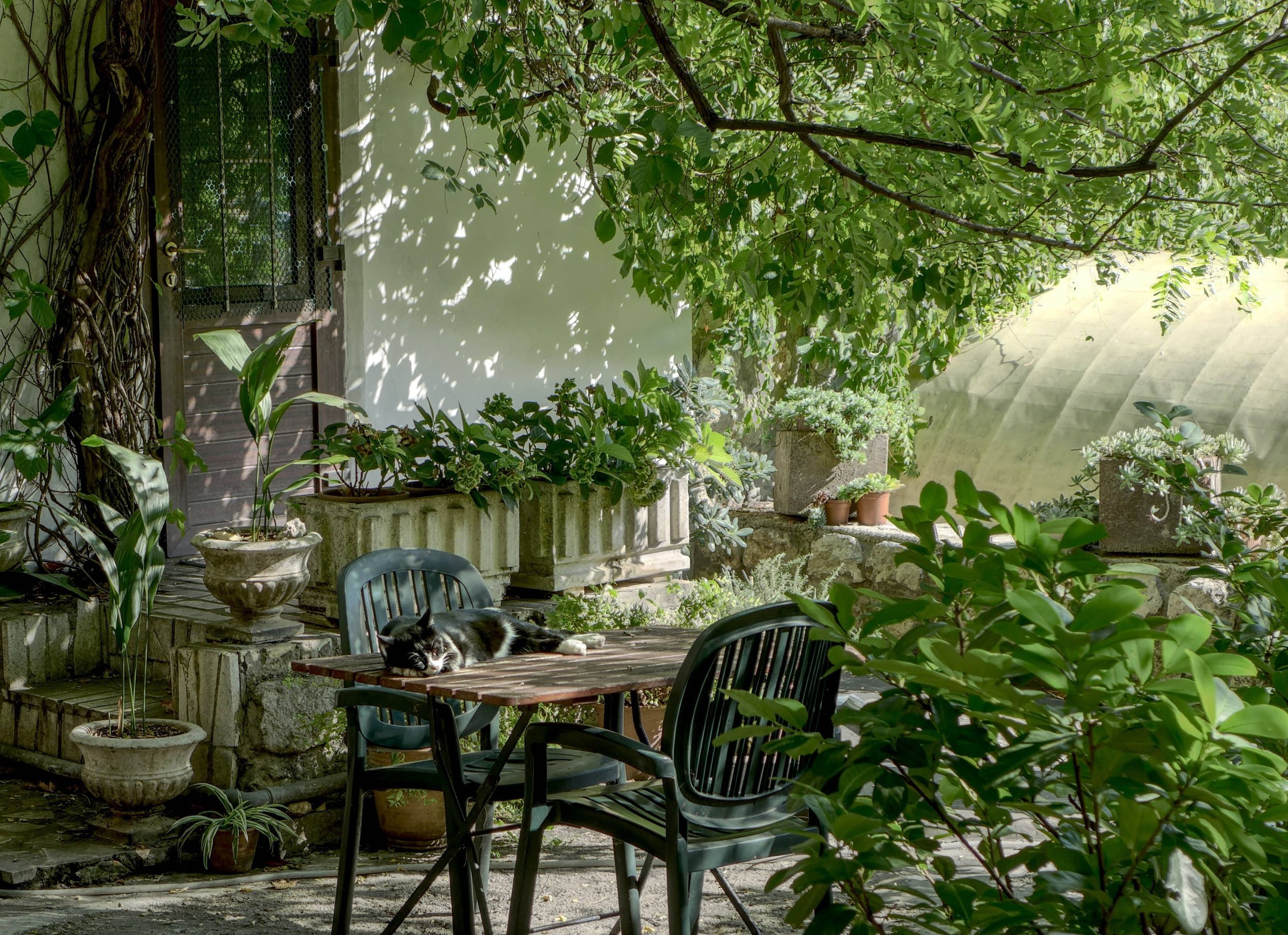
PHOTO BY ROBIN WERSICH
We’re in the middle of one of the hottest summers ever and aside from being incredibly unpleasant for us, this heat is also very hard on your plants.
Here are some tips and ideas to help you get your plants through this heatwave.
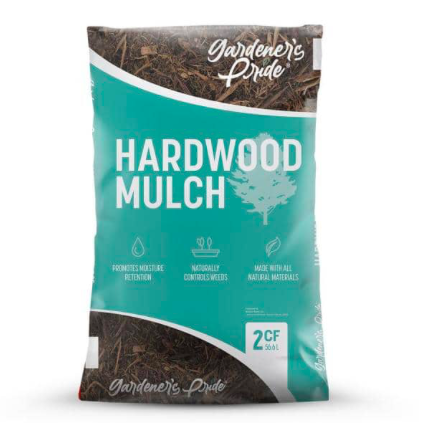
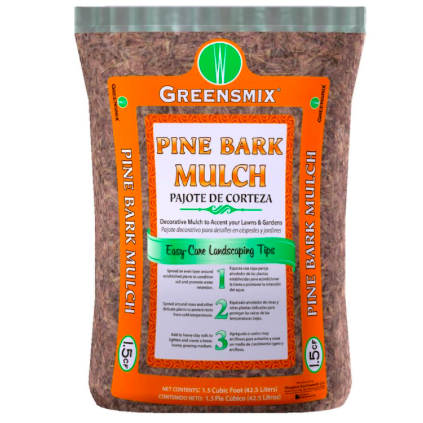
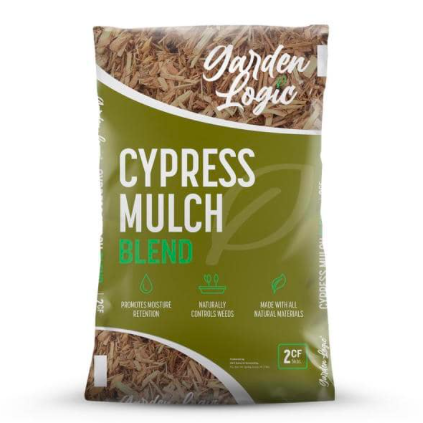
Mulching is very important when it’s hot because it helps to insulate the soil and roots from the heat and helps the soil retain water. Mulch made from materials like bark or pine needles is ideal; don’t use rock-based mulches or anything that will absorb and hold heat.
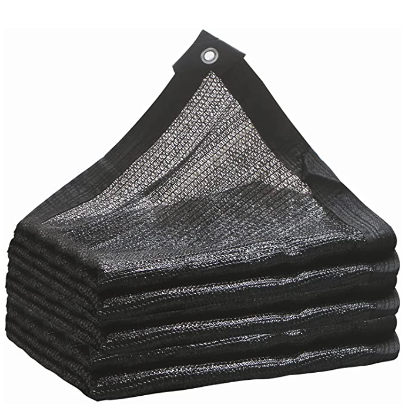
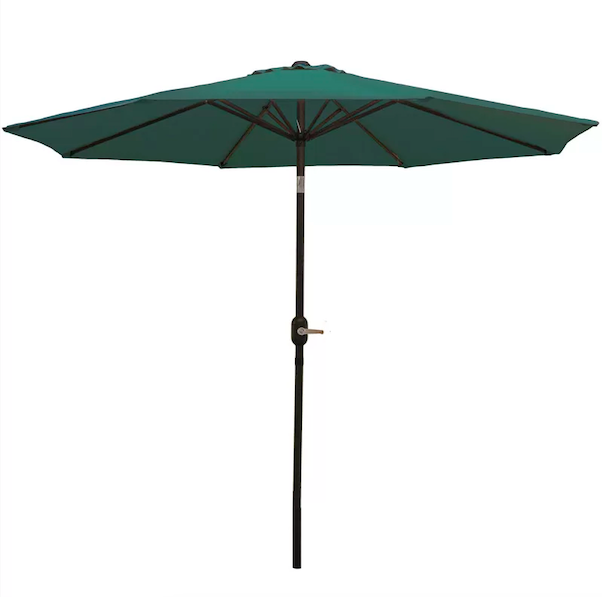
If you’ve got plants in beds that don’t have any shade coverage, be sure to watch for signs that your plants are struggling, like wilting, fading color, or rough yellow/brown patches on leaves. You can give your plants some shade with something more temporary like a patio umbrella that can be easily moved around, or you can create a more permanent set-up with some shade cloth and supports.
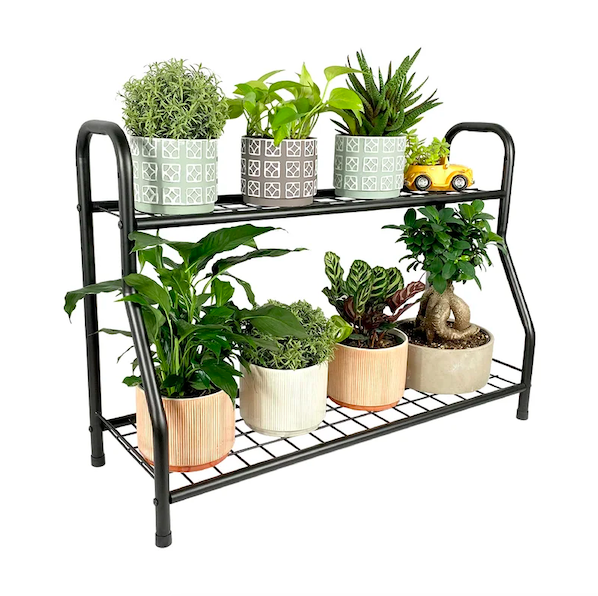
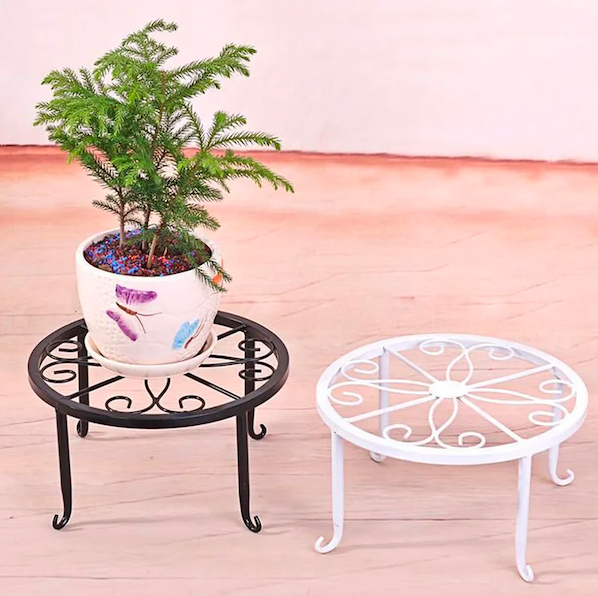
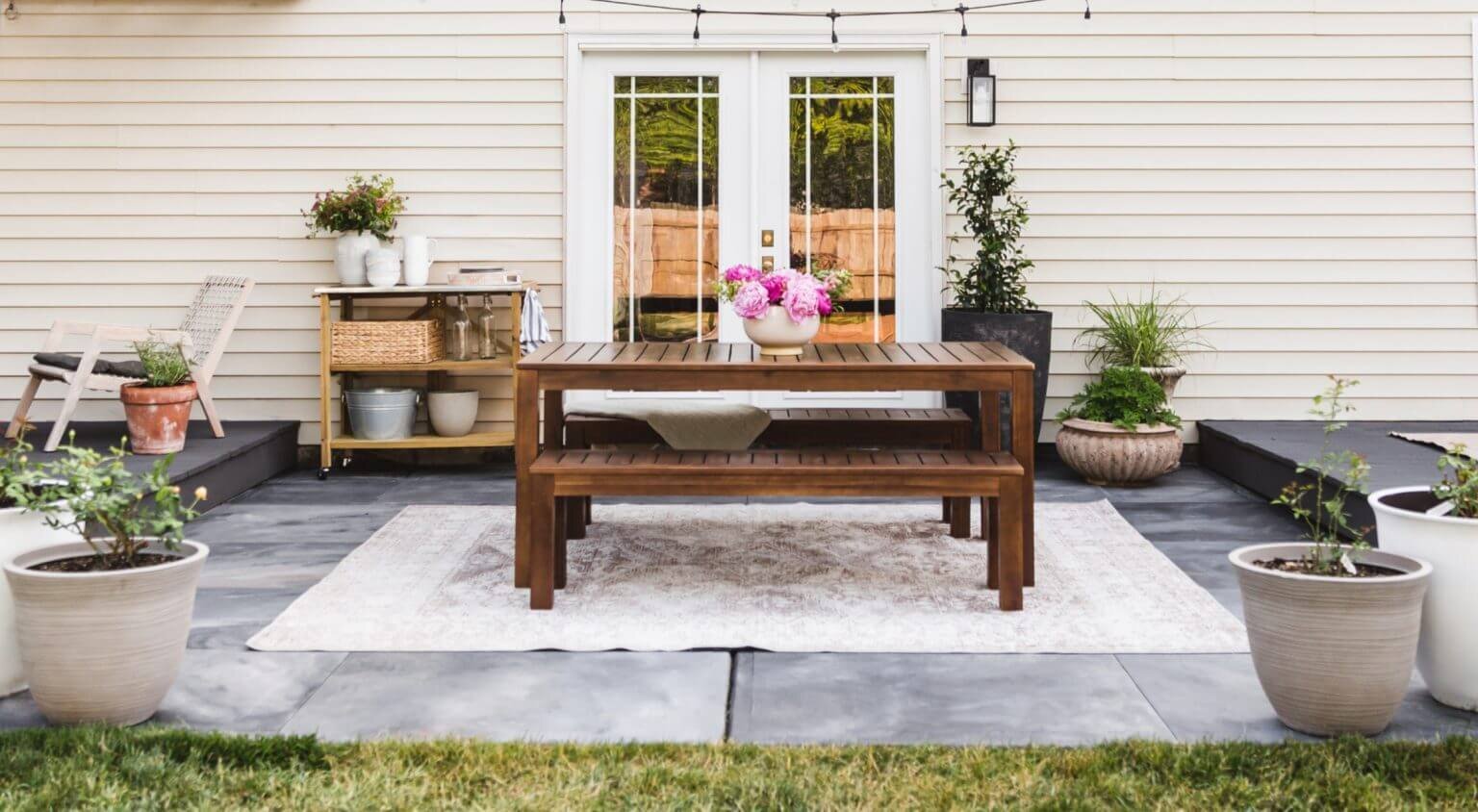
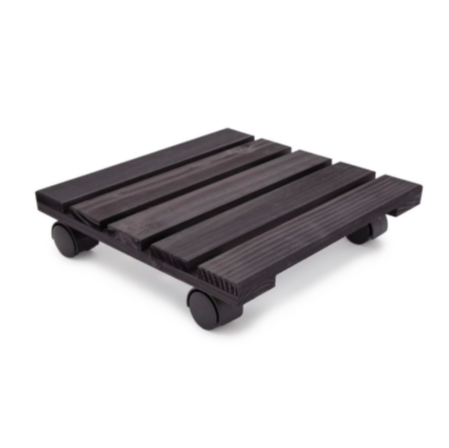
You should avoid leaving your potted plants on concrete, pavers, or any surface that holds heat. Plant stands can help keep them up off the pavement, and plant stands with wheels are very handy if your plants need to be moved into the shade during peak sun hours.
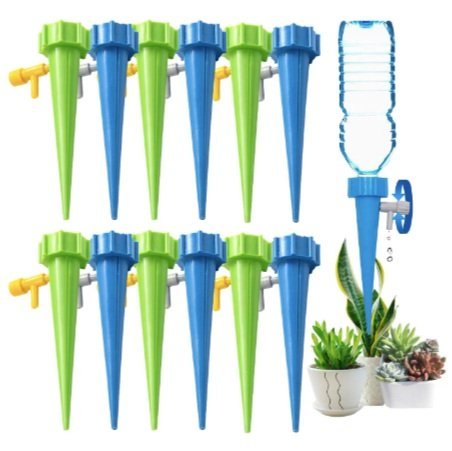
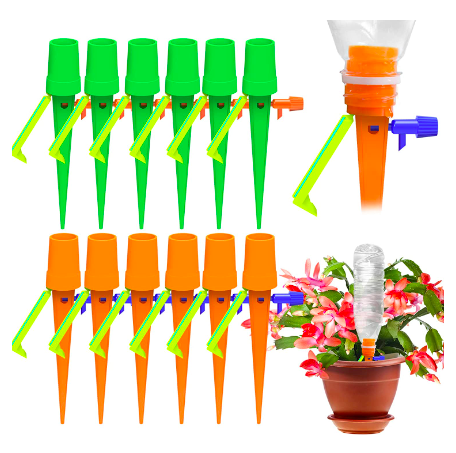
Since the sun’s rays are constantly pulling moisture out of your soil, slow watering spikes can be very helpful for keeping soil from getting too dry. You can leave them to drip throughout the day and then refill the water bottles at night or in the morning when it’s cooler and more pleasant to be in your garden.
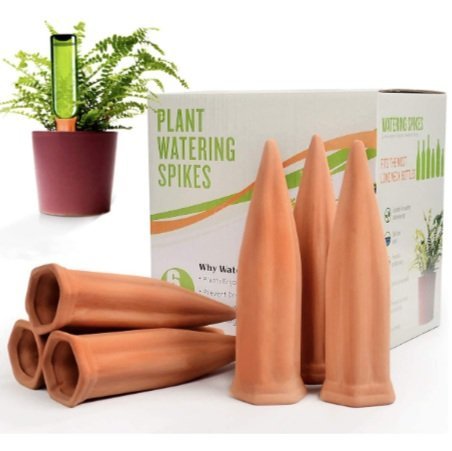
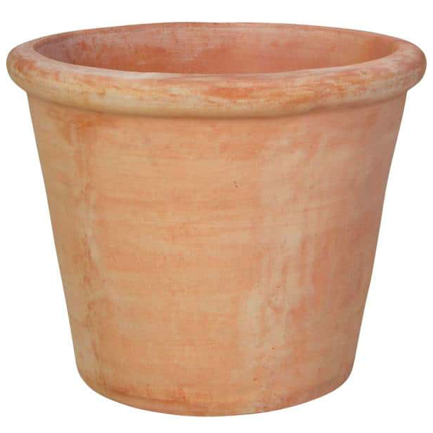
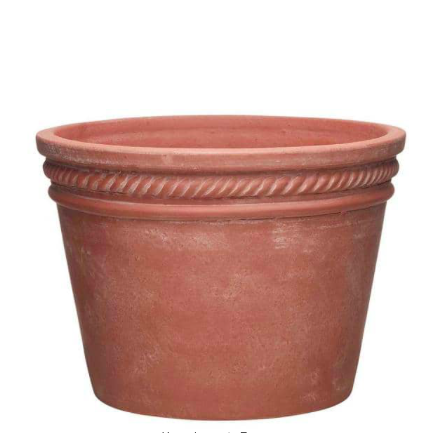
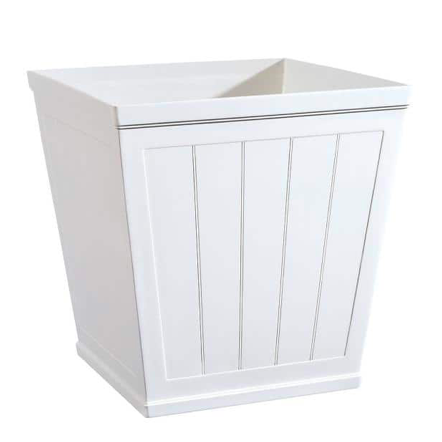
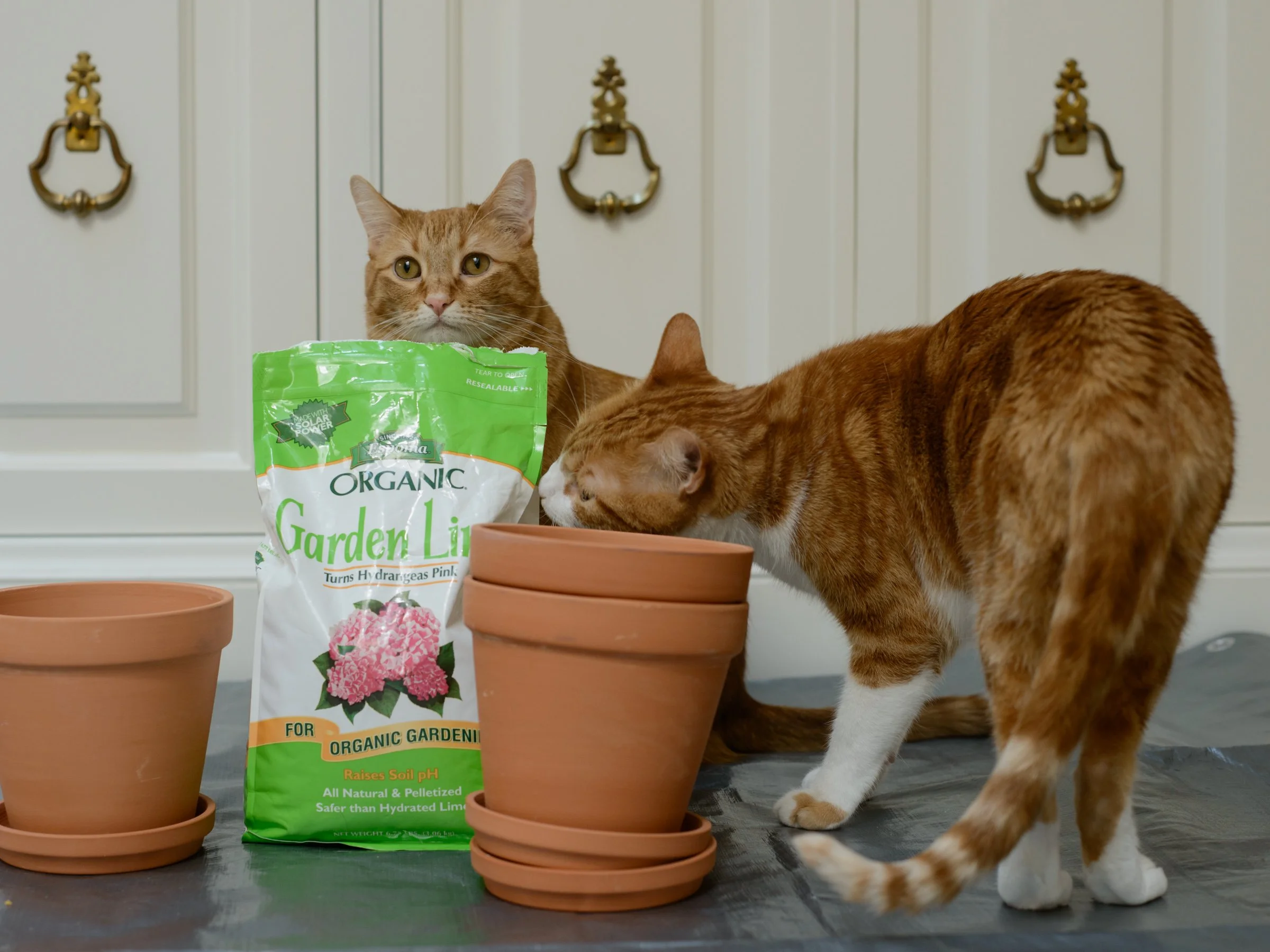
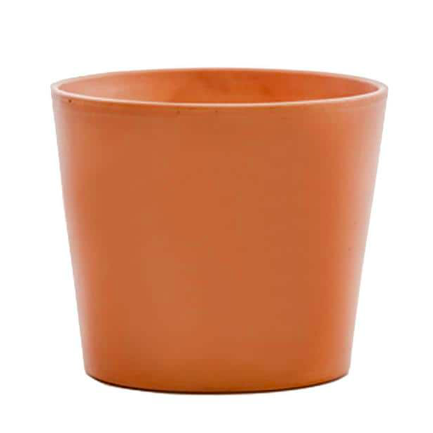
Lighter color planters and pots are better than black, and terracotta planters are best of all. Since terracotta isn’t glazed, the material won’t trap heat, and also is able to absorb water when you water your plants which will help keep the soil cool.
Good luck getting through this heat. Don’t forget to hydrate and wear sunscreen!
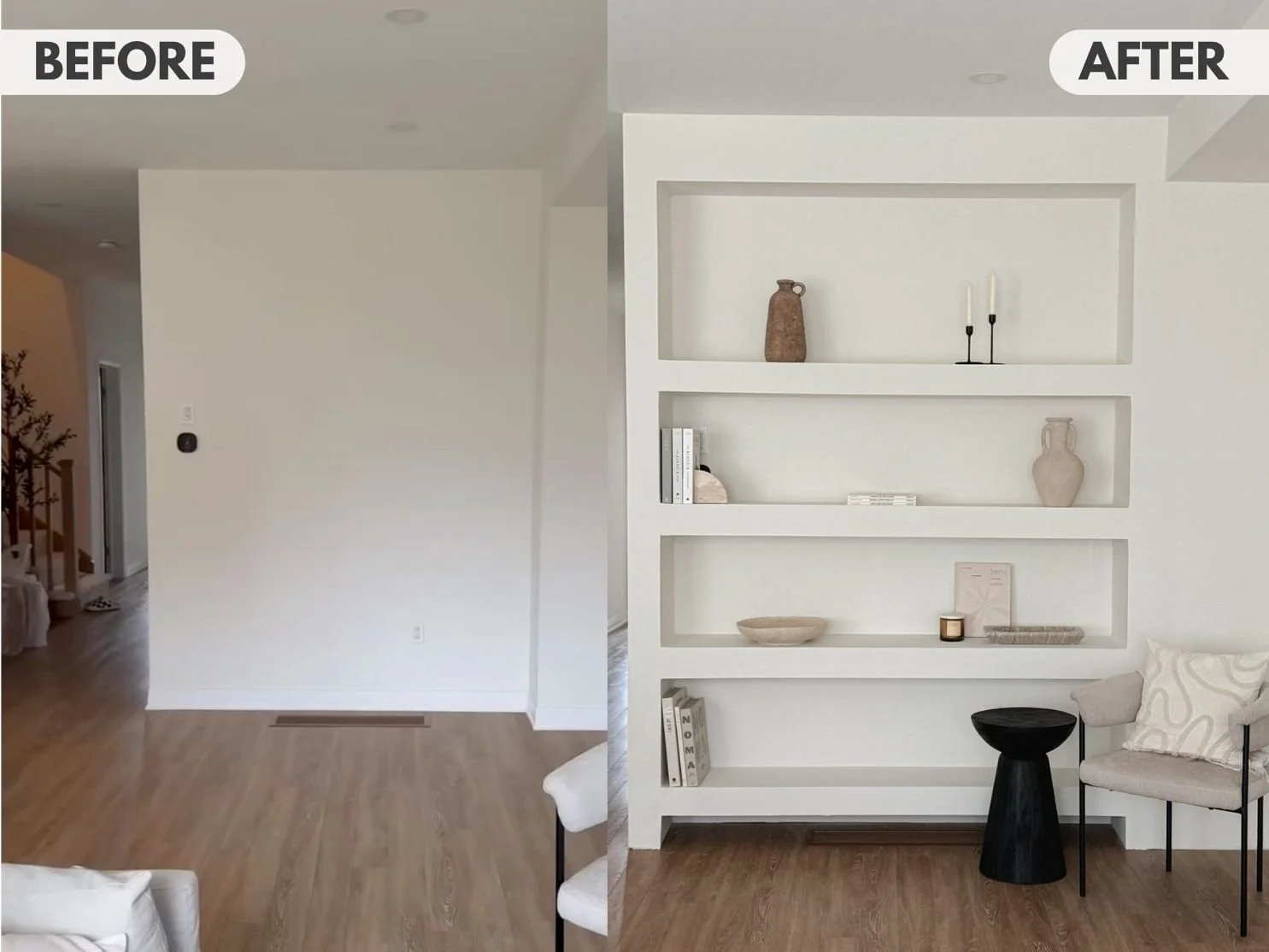
Some of the most satisfying home improvements are the tiny ones that take less than an hour but somehow never make it to the top of the to-do list.
Last week, on the very first day after the time change, I could already feel myself getting sluggish and blah as the sun started setting at 5:30pm. This year, I'm deciding to be proactive and set myself up for success, and I've learned some genuinely interesting stuff that I'm sharing here.
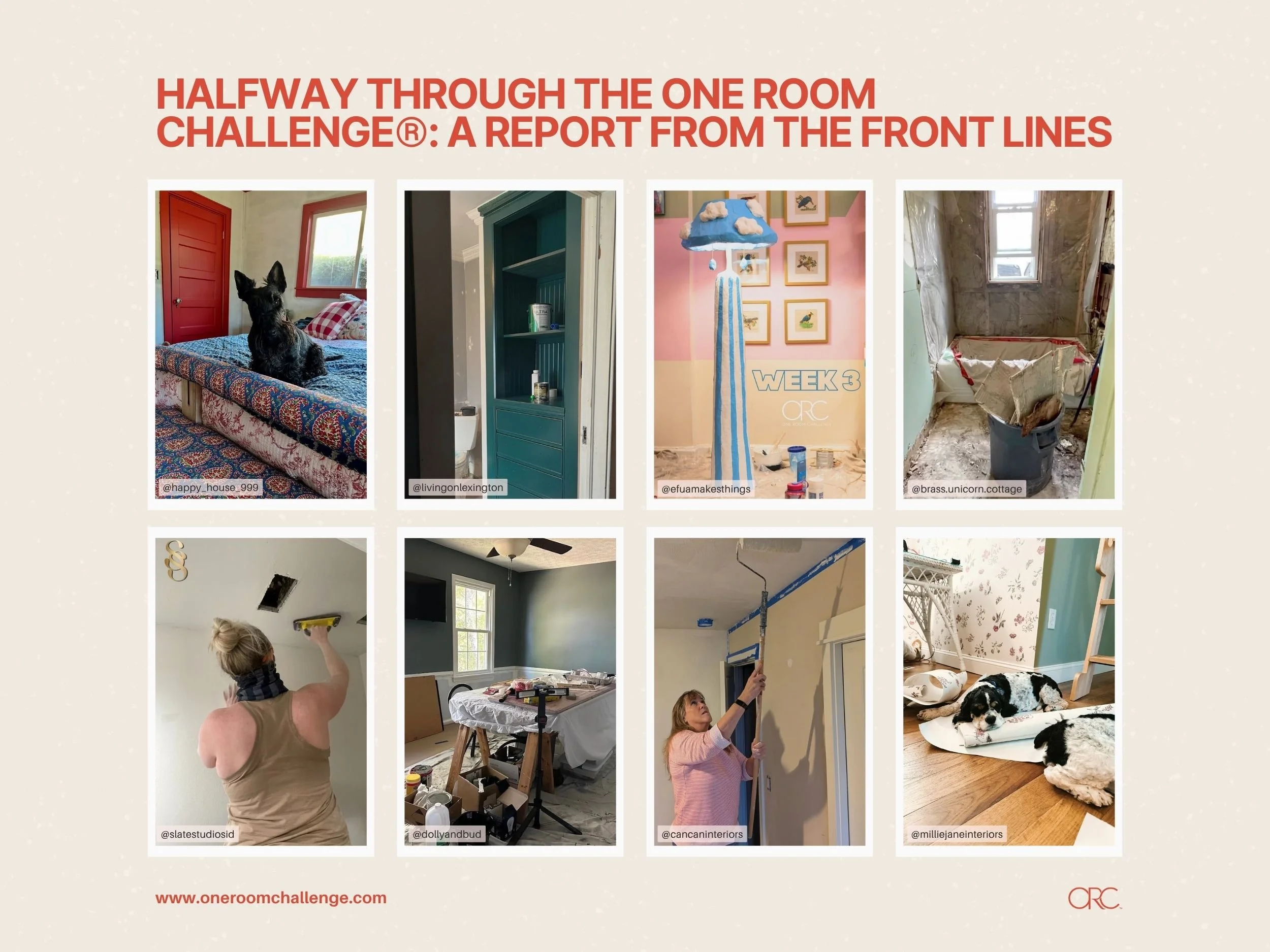
We're officially halfway through the fall '25 ORC, and wow, what a season it's shaping up to be! We've been absolutely loving watching everyone's progress unfold. In case you missed the first few weeks, here are just a few of the MANY highlights from this season so far.
Welcome back, now comes the fun part! It's time to use design to finish creating a dining space you'll enjoy. The aesthetic choices you make should support and enhance the functional plan you created in Part 1.
If your Instagram feed is anything like ours right now, you're probably drowning in jaw-dropping fall vignettes that look like they took a full weekend (and a small fortune) to create. Not everyone has Martha Stewart's budget or her team of stylists, though, and that's absolutely okay.
As we head into October and November, we're sharing our strategy for bringing seasonal charm into your home in an economical, thoughtful, and refreshingly low-effort way.
When it comes to creating a dining space, the most crucial (and the oft skipped) step of the process is figuring out how you actually live and how the space where you eat can fit or enhance your existing routines.
It is SO tempting to jump straight into decor, but unfortunately even the most beautiful dining room in the world won't serve you well if it doesn't match how your family actually eats, entertains, and uses the space.
When it comes to window treatments, there's an overwhelming number of options available, each with its own benefits and best-use scenarios. Let's break down every major type of window treatment, when to use each one, and how to choose what's right for your space.
Luckily, you don't need to learn a bunch of technical terms. You just need to know which paint works for your project so you don't have to repaint your kitchen cabinets in six months. Let's figure out paint together, shall we?
You might discover, like I did, that a handful of well-chosen smart devices can quietly handle life's little annoyances without turning your home into a complicated tech project.
Although I'm staunchly anti-popcorn ceiling, I am willing to admit that they have exactly one thing going for them: their sound dampening ability.
The past few decades of interior design trends have indeed been steering us towards an acoustic nightmare, trading the sound-absorbing qualities of our homes for sleeker, shinier hard surfaces.
If your home has a bad case of “boring hallways,” fear not! There are so many ways you can make them feel just as special as every other room.
We were so excited to see so many community members interested in tackling mini projects. With help from ORC folks on Instagram, we’ve put together this mini project guide that should answer any questions and give you lots of ideas.
Think you don’t have space for a garden? Think again. Container gardening makes it possible to grow flowers, herbs, and even vegetables just about anywhere—balconies, patios, windowsills, or tucked into a corner of your yard.
Looking to go green? Green continues to be one of the most versatile and beloved colors in interior design. There are so many gorgeous shades, though, that it can be difficult to know where to begin choosing the best green for your space.
Creating faux wallpaper with a stencil and paint is drastically cheaper than wallpaper, and it’s completely customizable. If your interest is piqued, here’s what to consider before you start.
Having an office space that energizes you and makes you feel inspired can be such a game changer.
Whether you prefer a bold space that excites you or a more neutral space that makes you feel calm and focused, there’s no better place to work than one that makes you happy.